Guelaguetza Free Events, Parades And Walking Tours In Oaxaca
Guelaguetza fills Oaxaca with dance, parades and street life, and a large part of it costs nothing. This is the split between what is free and what is ticketed, and the 10 free walking tours that meet in the neighbourhoods around it.
In Short
Guelaguetza's upper auditorium sections, C and D, are free, first come and unreserved, while sections A and B need a ticket sold through the official online channel. The hill park itself, the Zócalo and Alameda de León, the street parades, and the Templo de Santo Domingo de Guzmán are free. The ex-convent museum beside the church is ticketed at 210 MXN for foreign adults.
Auditorium sections C and D, first come, unreserved; Cerro del Fortín hill park; street parades; the Zócalo and Alameda de León
What costs money?
Auditorium sections A and B, ticketed, sold through the official online channel; food and goods in the markets
When does it happen?
Usually the last two Mondays of July
Is the church free?
Entering the Templo de Santo Domingo de Guzmán is free; the ex-convent museum beside it is ticketed, 210 MXN for foreign adults, 105 MXN for Mexican nationals
Free walks nearby?
10 free walking tours in Oaxaca, all free, pay what you want, reserved on GuruWalk
Languages on the walks
Each walk runs in English, and most also in Spanish; the GuruWalk page for each walk states the languages
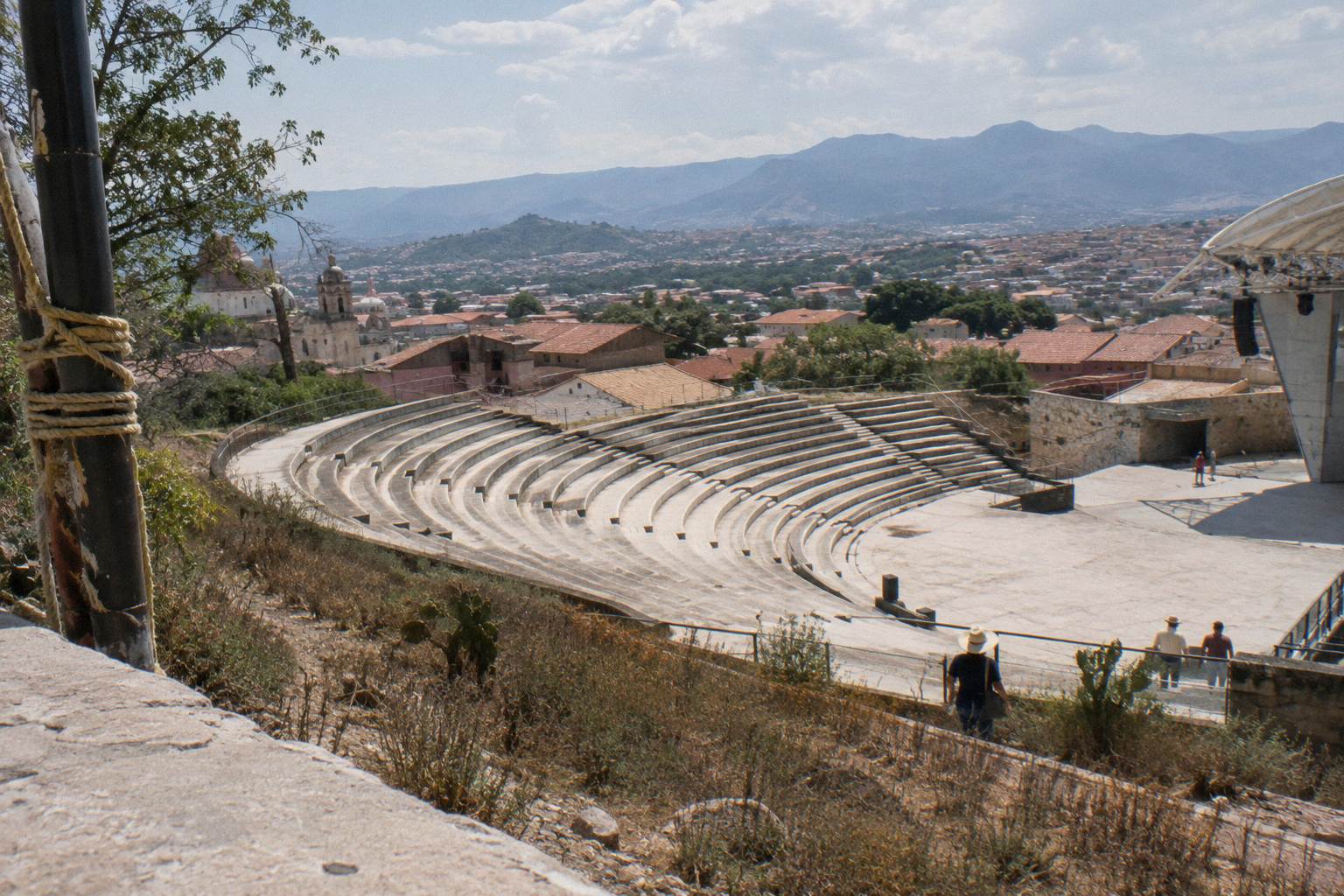
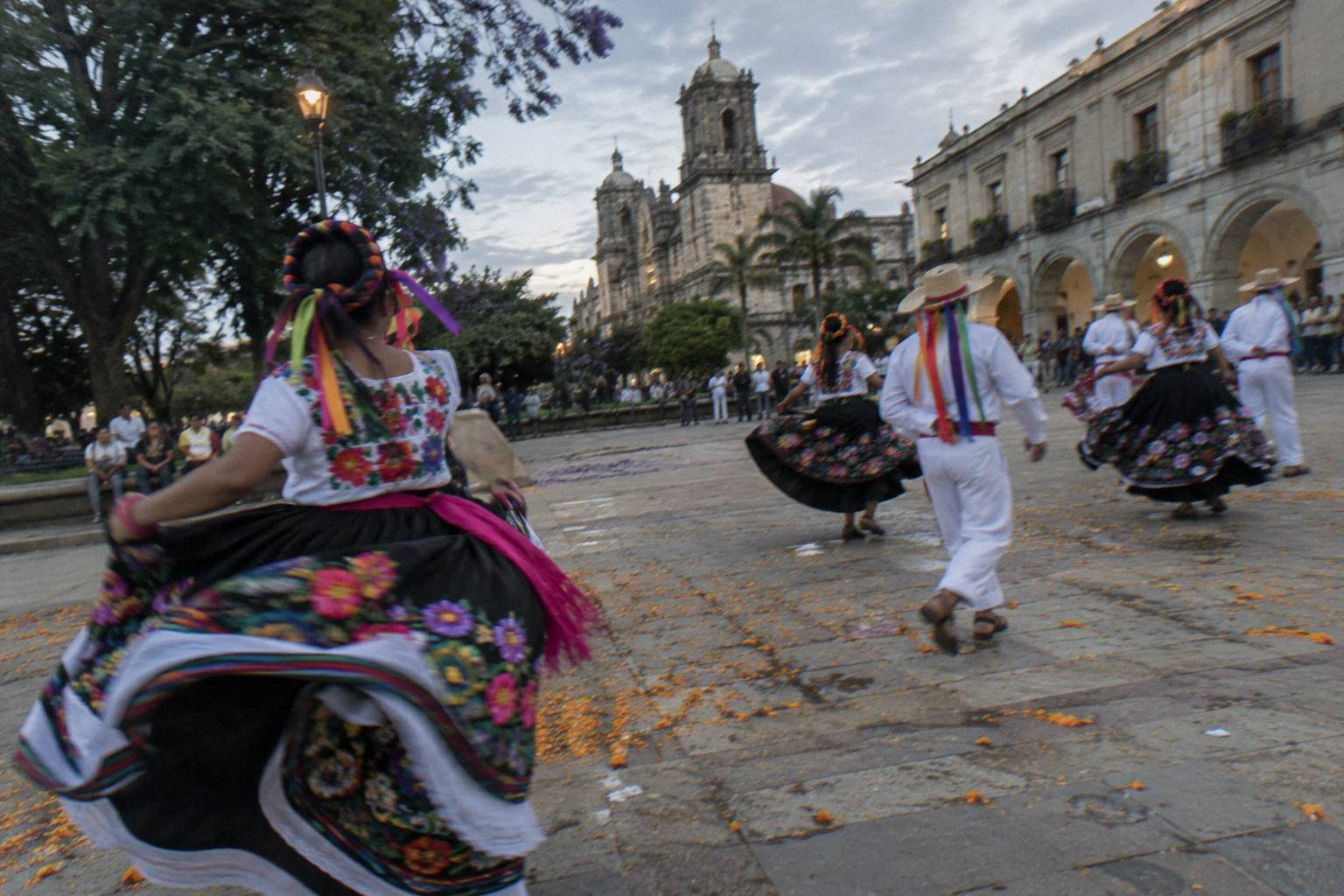
Guelaguetza is Oaxaca's biggest annual festival, and the strange, useful truth about it is that its most valuable parts were never ticketed to begin with. The festival takes its name from the Zapotec word for offering or sharing, and across two Mondays in July the city fills with delegations from the state's regions, brass bands, processions and dance. The main performances happen in the Auditorio Guelaguetza on Cerro del Fortín, where the seating is split into ticketed lower sections and free upper ones. Everything else spills down into the streets, and the streets are where most of the free experience lives.
The pricing split inside the auditorium is the fact most visitors get wrong. Sections C and D, the upper rows, are free, first come and unreserved, which means the traditional route into the festival for thousands of Oaxacans costs nothing at all. Sections A and B, closer to the stage, need a ticket, and those tickets are sold only through the official online channel; no price is published on the free side of this article because none belongs there. Deciding between a paid seat and a free one is a real decision, and it comes down to how early you are willing to arrive rather than how much you are willing to spend.
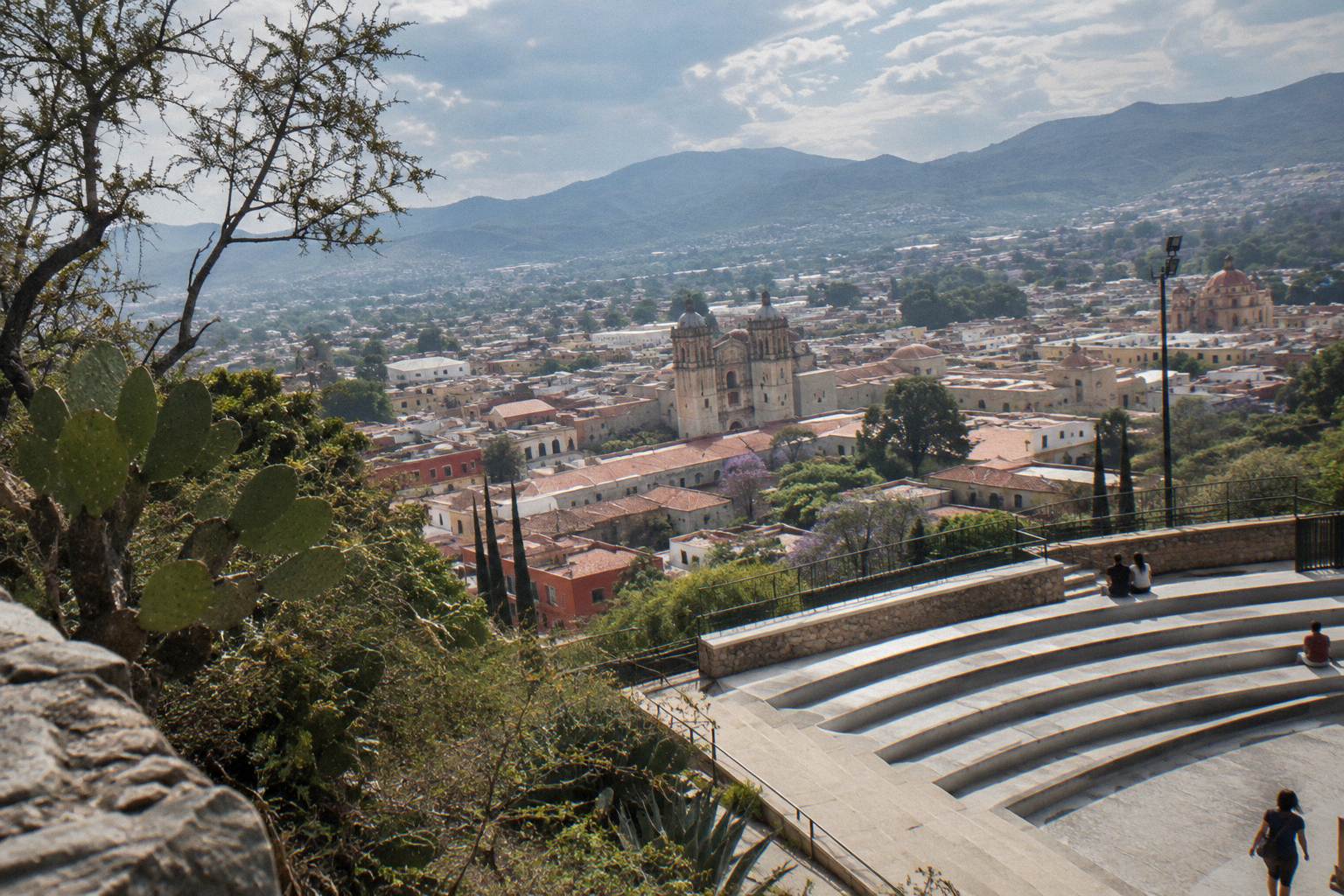
Around the auditorium, the hill itself is a free public park. Cerro del Fortín rises above the city centre, is open to the public, and during the festival becomes part of the event rather than a viewing platform for it. Down below, the Zócalo and the Alameda de León, the Andador Macedonio Alcalá and the churches along it carry the parade route and the street life, all without a ticket. For more on how the centre's free pieces fit together day to day, see the Zócalo guide: what is free, what costs money.
A free walking tour is one of the better ways to get oriented before the festival days, because the parades move through exactly the streets the walks cover. The Local Secrets walk, run on GuruWalk and rated 4.59 out of 5 across 99 GuruWalk reviews, meets at Teatro Macedonio Alcalá on the pedestrian street, runs 2 hours 30 minutes in English, and is free, pay what you want. You can read more about it on the Local Secrets history and culture walk page, and the Día de Muertos events guide shows how the same streets behave during the city's other great festival.
What Is Free Around The Festival?
The free side of Guelaguetza is larger than the paid side: the unreserved upper auditorium sections C and D cost nothing on a first come basis, and everything around the festival is free as well, including the street parades, the public hill park Cerro del Fortín, the Zócalo and Alameda de León, the Andador Macedonio Alcalá, and the Templo de Santo Domingo de Guzmán.
Start with the auditorium, because it is the one place where free and paid sit in the same bowl. Sections C and D are the upper sections, and they are free, first come and unreserved; there is no way to book them and no way to pay for them even if you wanted to. Sections A and B are the ticketed seats, sold only through the official online channel, Super Boletos, which is the official sales channel for the event. Nothing about the free sections is a discount or a leftover; they are the traditional public seating of the festival.
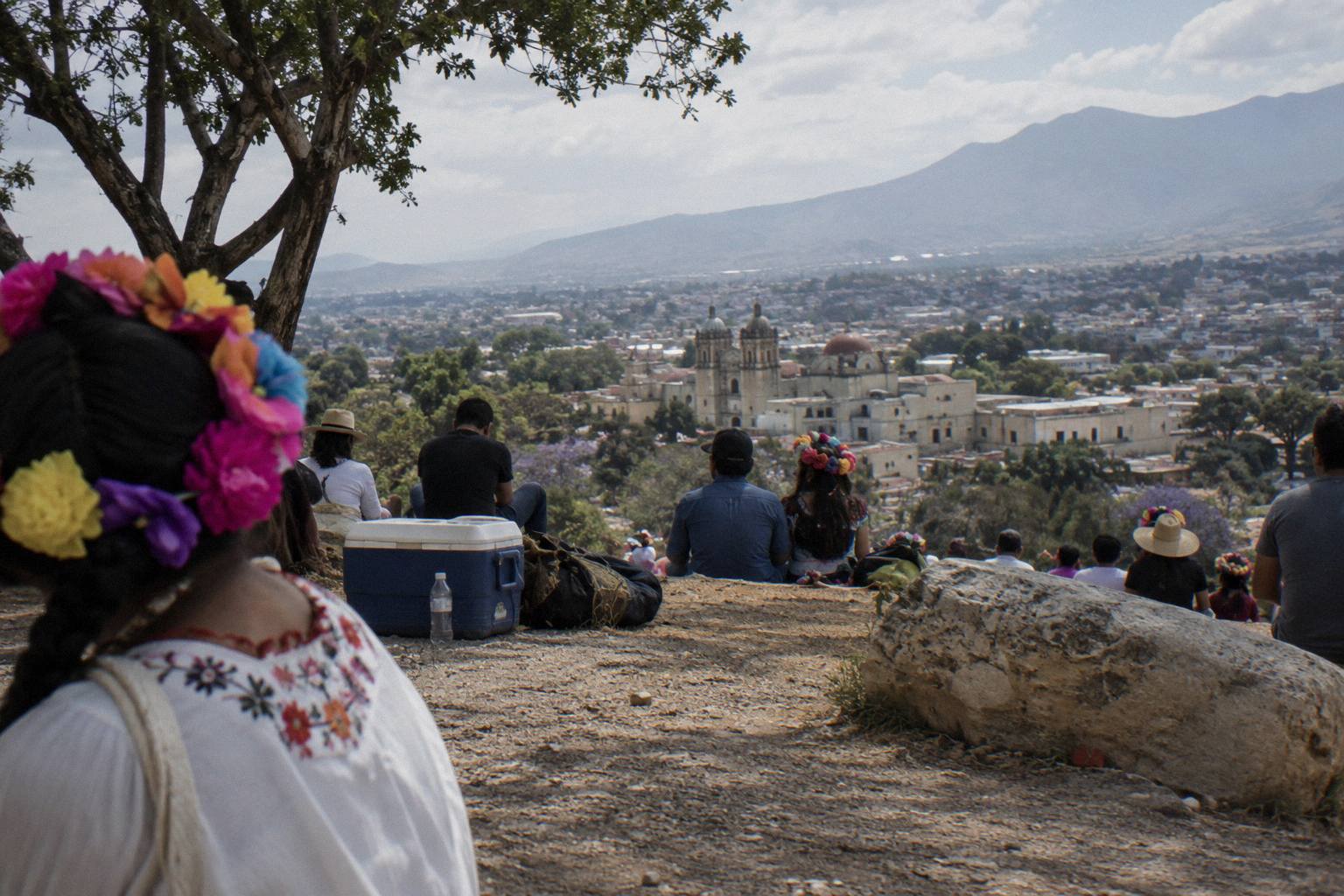
Cerro del Fortín itself deserves its own sentence: it is a hill park above the city, open to the public, and it is a separate thing from the auditorium that stands on it. During the festival the hill fills with people who never enter the auditorium at all, because the park is part of the day. Free does not mean empty here; it means arrive with time.
Cerro del FortínFree
Hill park above the city, open to the public.
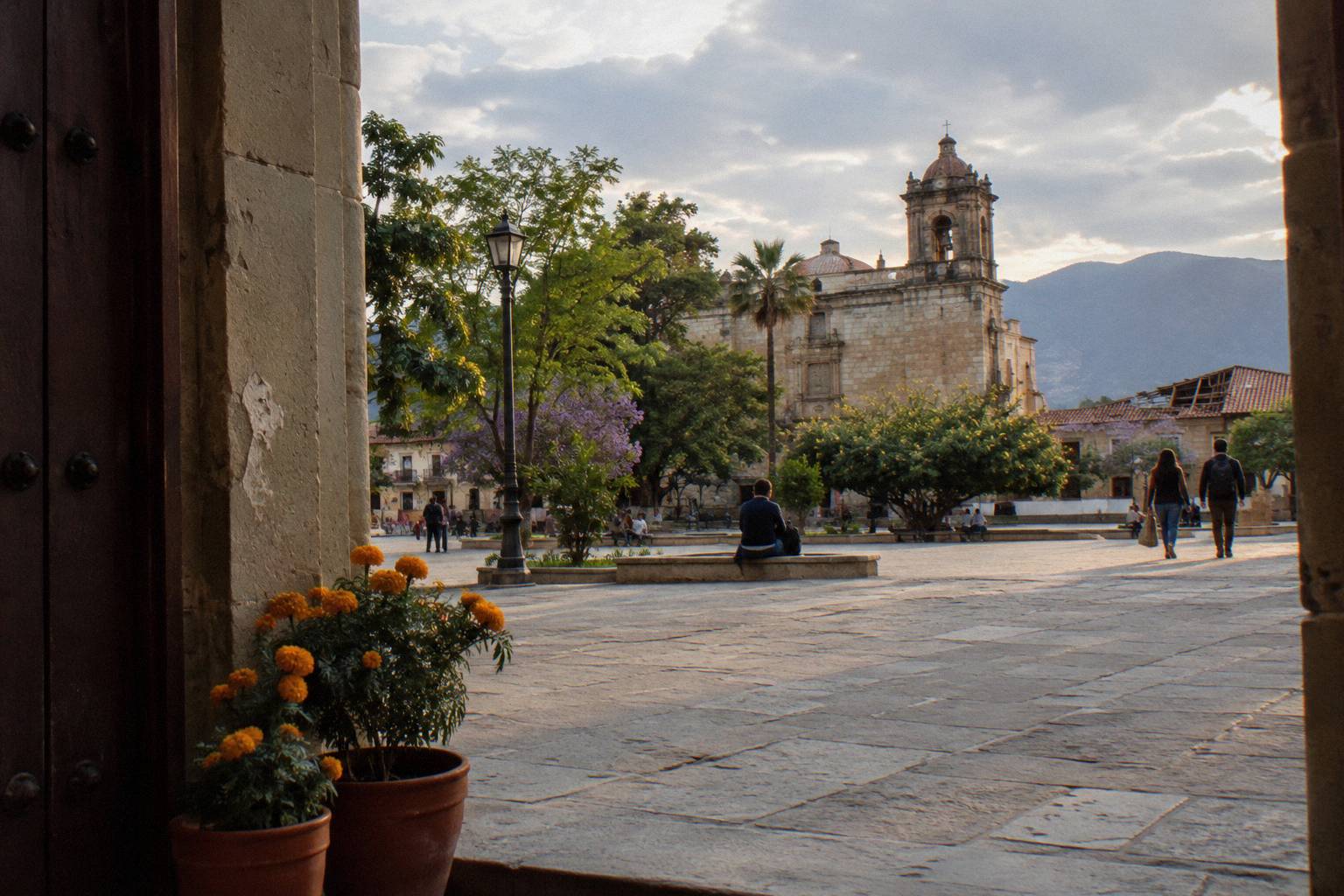
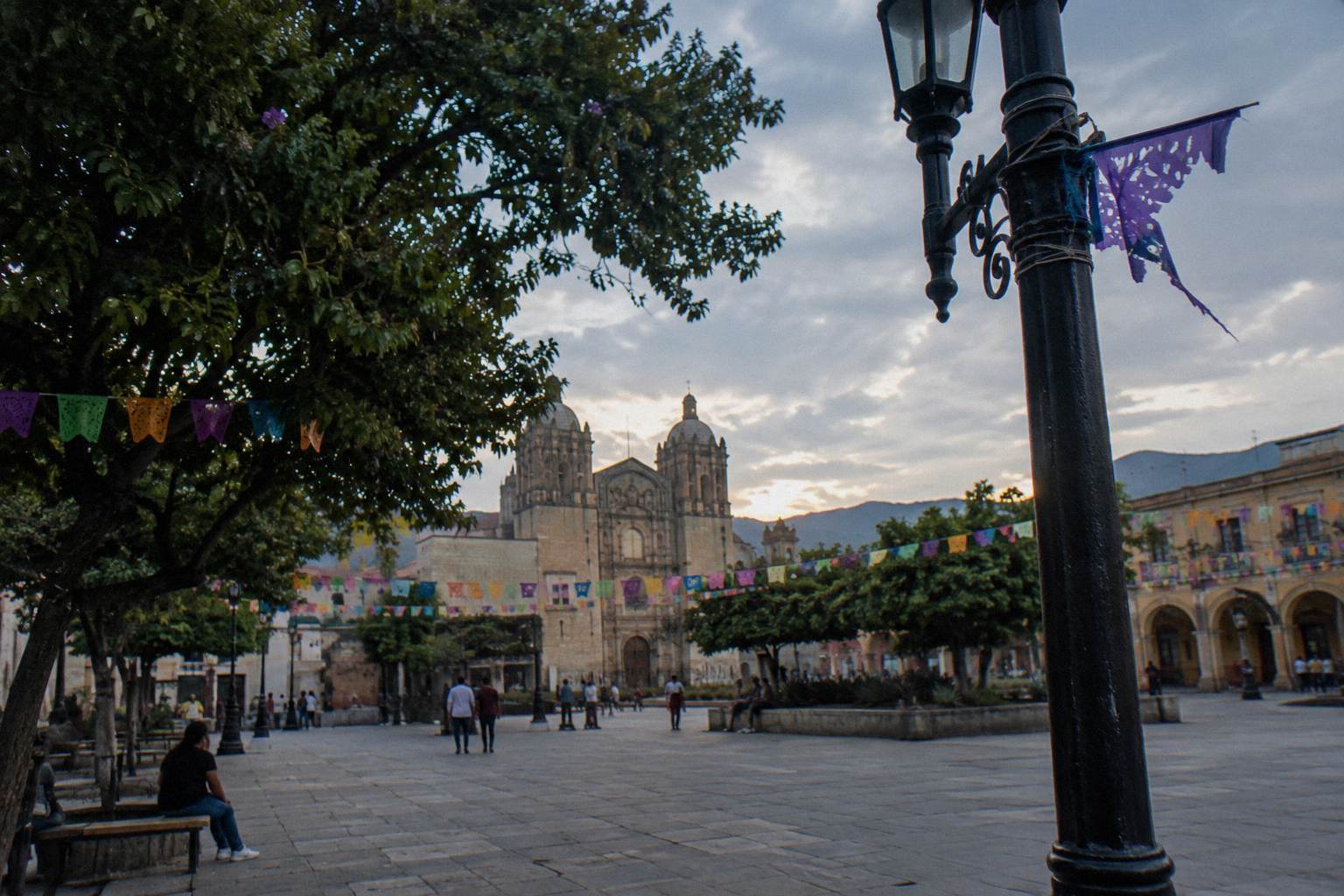
Down in the centre, the festival's free geography is the centre's usual free geography, just busier. The Zócalo and Alameda de León are public squares with no ticket, and during Guelaguetza they host stages, delegations and crowds. The Andador Macedonio Alcalá, the pedestrian street that runs from the Zócalo toward Santo Domingo, carries a share of the parades; the Andador Turístico guide covers how that street works on ordinary days. The parades themselves are street events: they are watched from the pavement, and the pavement is free.
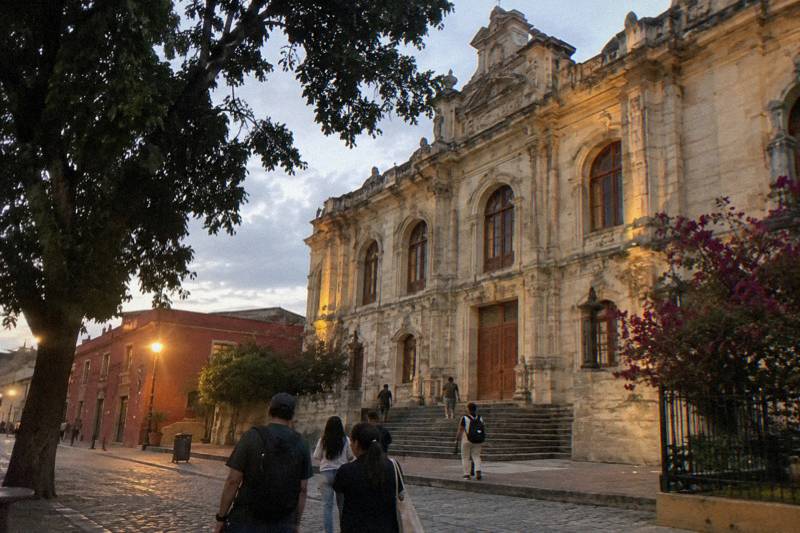
The Templo de Santo Domingo de Guzmán is free to enter, and it sits at the top of the pedestrian street, so a parade day and a church visit combine naturally. One boundary matters: the Museo de las Culturas de Oaxaca, inside the ex-convent beside the church, is a separate, ticketed place. Foreign adults pay 210 MXN, Mexican nationals 105 MXN, and Sunday free entry there applies only to Mexican nationals and residents of Mexico with ID, not to visitors from abroad. The details are on the INAH site, which manages the museum and the archaeological zones. The divide runs through the whole festival: the church is free while the museum beside it is ticketed, and the hillside is free while the lower seats are paid.
Templo de Santo Domingo de GuzmánFree
Entering the church is free (public church). The ex-convent museum next door is ticketed.
What Is Free And What Costs Money?
Free: auditorium sections C and D, Cerro del Fortín, the Zócalo and Alameda de León, the Andador Macedonio Alcalá, the street parades, and entering the Templo de Santo Domingo de Guzmán. Paid: auditorium sections A and B, the Museo de las Culturas de Oaxaca at 210 MXN for foreign adults and 105 MXN for Mexican nationals, and all food and goods bought in the markets.
Experience
Free or paid
The detail
Auditorium sections C and D
Free
First come, unreserved, no booking
Auditorium sections A and B
Paid
Ticketed, sold through the official online channel only
Cerro del Fortín hill park
Free
Public park, open to all
Zócalo and Alameda de León
Free
Public squares, parade viewing from the pavement
Andador Macedonio Alcalá
Free
Pedestrian street, no ticket
Street parades
Free
Street events, watched from public pavement
Templo de Santo Domingo de Guzmán
Free
Public church, entry costs nothing
Museo de las Culturas de Oaxaca
Paid
210 MXN foreign adults, 105 MXN Mexican nationals
Market food and goods
Paid
Markets are free to walk into; everything you buy is paid
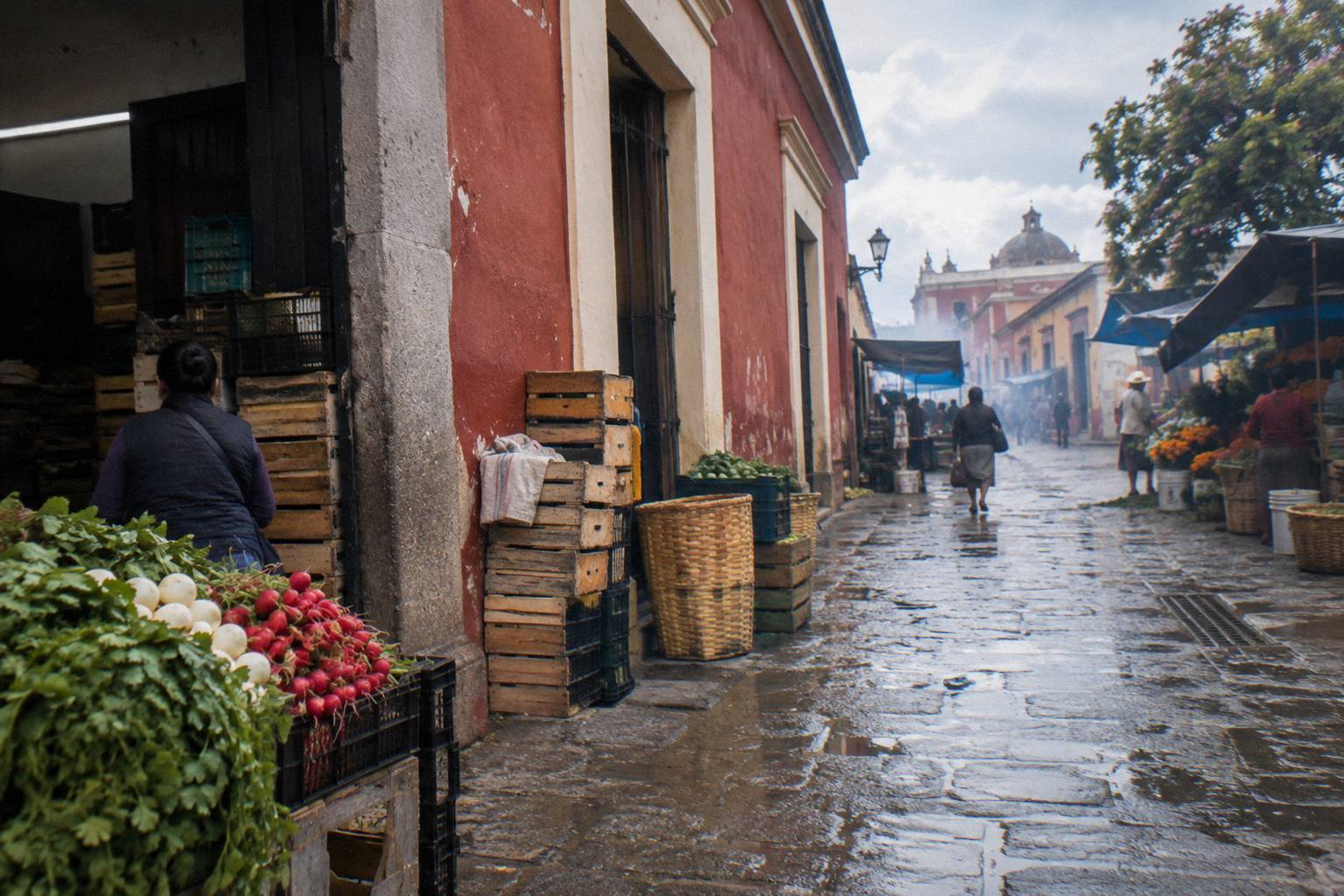
The pattern across that table is consistent: the festival's public spaces and street events are free, and the paid items are seats, museums and shopping. The one line people misread is the last one. The city markets, including the Mercado 20 de Noviembre and the Mercado Benito Juárez near the Zócalo, are free to walk into, but nothing in them is free; food and goods are paid, and during festival weeks the markets are at their fullest. The markets on a free walking tour guide covers how those two markets work.
The museum line deserves the same care. Entering the Templo de Santo Domingo de Guzmán is free, and a museum or any other institution never inherits that status. The Museo de las Culturas de Oaxaca, in the ex-convent beside the church, is an INAH museum with its own ticket: 210 MXN for foreign adults, 105 MXN for Mexican nationals. If you have read that INAH sites are free on Sundays, the condition is exact: that free entry applies to Mexican nationals and residents of Mexico with ID, not to visitors from abroad.
For the ticketed auditorium sections, resist the temptation to look for a shortcut price. Sections A and B are ticketed and sold through the official online channel, so buy there if you want a seat in one of them. The free sections are the alternative, first come, first served. Sections C and D ask for no money at all, only early arrival and patience.
Against those paid items, the walks on this site are a clean zero. All 10 free walking tours in Oaxaca are free, pay what you want, reserved on GuruWalk, and each is run by an independent local guide. A walk plus a free auditorium section plus the parades from the pavement makes a full festival day in which the only money you spend is on food.
The free side of Guelaguetza covers the upper auditorium sections, the hill park, the parades, the squares and the churches; the paid side covers only sections A and B, the ex-convent museum and market purchases.
Those three walks all operate in the Centro Histórico And Santo Domingo neighbourhood where the parades run. The Professional Guide walk by Free Tour Europe meets at Jardín El Pañuelito and is rated 4.9 out of 5 across 271 GuruWalk reviews over 2 hours in English and Spanish. The Essential History And Art Walk, run by Estación from the Museo de los Pintores Oaxaqueños, is rated 4.63 out of 5 across 190 GuruWalk reviews, 2 hours, English and Spanish. The Kactus Introduction meets at ARIPO, next to the fountain, rated 4.72 out of 5 across 64 GuruWalk reviews, 2 hours 30 minutes, English and Spanish. Each is free, pay what you want, on GuruWalk.
“Su was a really interesting, thoughtful and warm tour guide. She provided a lot of insightful information and nuanced reflections on Oaxacan culture, art, politics, and history. Couldn't recommend more! Thanks Su”
Guelaguetza falls on the last two Mondays of July in a usual year, and both Mondays carry the main auditorium performances, with the free sections C and D filled first come. The festival period around those Mondays adds parades and street events in the centre. July in Oaxaca sits within the rainy season, so afternoons can bring rain while mornings are usually dry.
The date pattern, usually the last two Mondays of July, is the only schedule statement that holds without a year attached, and it is the one to plan around. Guelaguetza dates for a coming year count as official only once the festival announces them. Check tickets for sections A and B on the official online channel rather than on any unofficial calendar. What is stable is the shape: two main Mondays, free upper sections, street events around them. Other pages covering the same trip are gathered on Free Things To Do In Oaxaca.
For the free sections, timing is the whole strategy. Sections C and D are first come and unreserved, so the people who want them arrive early and wait; that is the price of a free seat, paid in time. There is no firm figure for how early is early for the free sections. What can be said from the structure itself is that a free section has no reservation to fall back on, so late means full.
GuelaguetzaFree on conditions
Auditorium Guelaguetza on Cerro del Fortín: sections C and D (upper) are free, first-come, unreserved. Sections A and B need a ticket.
The wider fortnight matters as much as the Mondays. The centre is busy through the whole festival period, and the parades are street events that happen on public streets, so catching one is a matter of being in the centre on the right days rather than holding a ticket. The Zócalo, the Alameda de León and the pedestrian street are the places where that street life concentrates, and all are free.
Weather gets one practical sentence here. July is a rainy-season month in Oaxaca, and rain typically arrives in the afternoon; the free auditorium sections are open seating, so a rain layer is more useful than an umbrella argument. For how the months compare beyond festival season, the month by month walking tour guide breaks down the rest of the year.
Where Do Free Walking Tours Meet Nearby?
The free walking tours meet at fixed central points: Cosijoeza 110A in the Centro, Jardín El Pañuelito, the Museo de los Pintores Oaxaqueños, Teatro Macedonio Alcalá, ARIPO next to the fountain, Plaza de la Cruz de Piedra in Xochimilco, the Iglesia de San Matías Jalatlaco, and Café Kapel Nana and Eden MiniGalería. All are free, pay what you want, reserved on GuruWalk, in English or English and Spanish.
Walk
Meets at
Duration
Languages
Rating on GuruWalk
By Locals
Cosijoeza 110A, Centro
2 hours
English and Spanish
4.63 out of 5, 1,165 reviews
Jalatlaco Street Art
Cosijoeza 110A, Centro
2 hours
English
4.91 out of 5, 636 reviews
Professional Guide by Free Tour Europe
Jardín El Pañuelito
2 hours
English and Spanish
4.9 out of 5, 271 reviews
Essential History And Art
Museo de los Pintores Oaxaqueños
2 hours
English and Spanish
4.63 out of 5, 190 reviews
Local Secrets
Teatro Macedonio Alcalá
2 hours 30 minutes
English
4.59 out of 5, 99 reviews
Kactus Introduction
ARIPO, next to the fountain
2 hours 30 minutes
English and Spanish
4.72 out of 5, 64 reviews
From Xochimilco
Plaza de la Cruz de Piedra, Xochimilco
2 hours 30 minutes
English and Spanish
4.99 out of 5, 496 reviews
Jalatlaco Murals And Art Workshops
Iglesia de San Matías Jalatlaco
2 hours
English and Spanish
4.93 out of 5, 96 reviews
Markets, History And Art
Café Kapel Nana and Eden MiniGalería
2 hours
English and Spanish
5 out of 5, 28 reviews
Two walks in the Centro Histórico And Santo Domingo category share the Cosijoeza 110A meeting point, and the busiest of them is the By Locals walk, rated 4.63 out of 5 across 1,165 GuruWalk reviews, 2 hours, English and Spanish. During festival weeks the centre fills, and a walk that starts from a fixed central address is a dependable anchor for the morning before an afternoon on Cerro del Fortín.
The Xochimilco category holds the From Xochimilco walk, which meets at the Plaza de la Cruz de Piedra in Xochimilco and is rated 4.99 out of 5 across 496 GuruWalk reviews, 2 hours 30 minutes, English and Spanish. Xochimilco is one of the city's own barrios rather than a suburb, and a walk that begins there shows a side of Oaxaca the auditorium never displays.
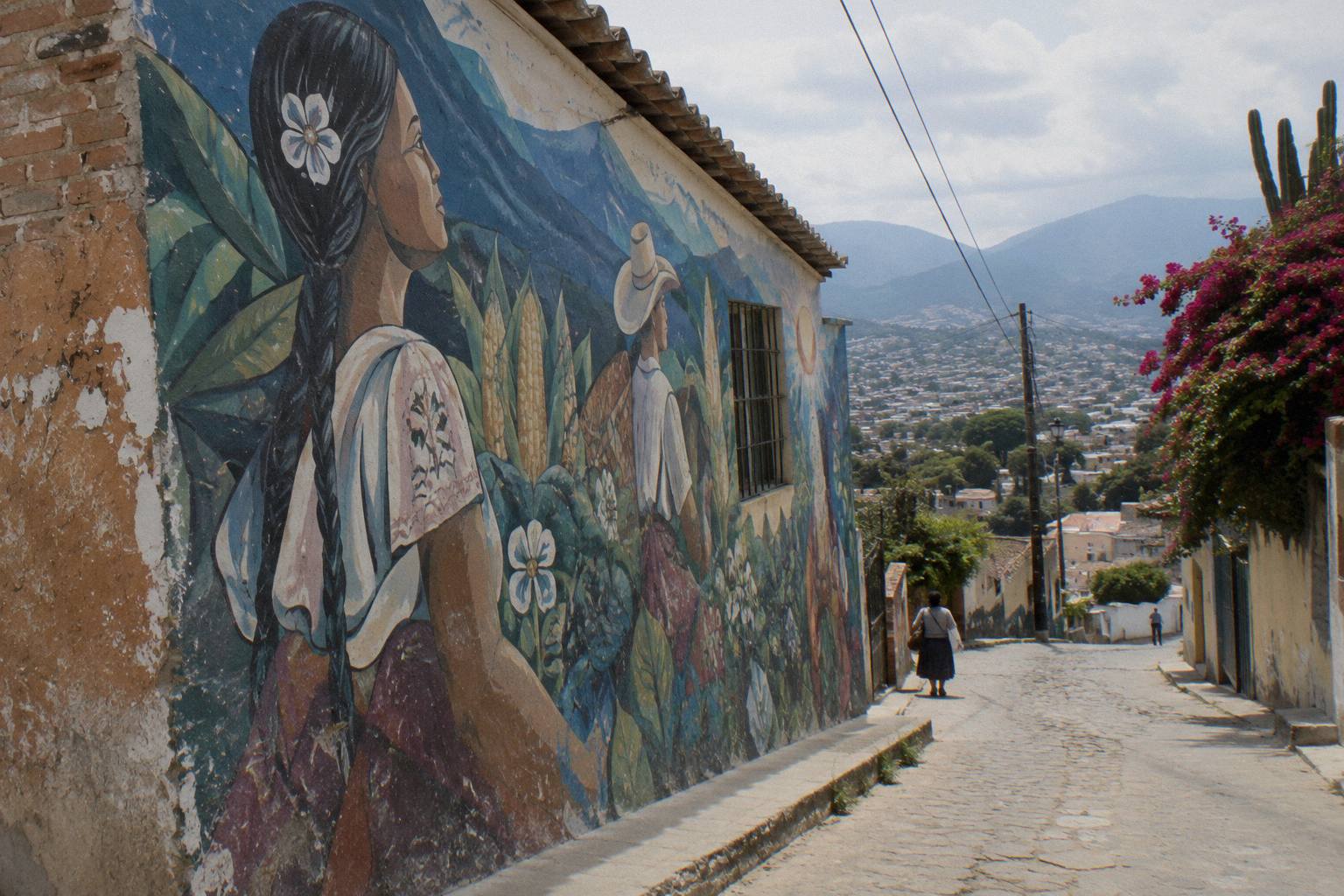
The Jalatlaco category covers the Jalatlaco Street Art walk, English only, rated 4.91 out of 5 across 636 GuruWalk reviews from Cosijoeza 110A, and the Jalatlaco Murals And Art Workshops walk, rated 4.93 out of 5 across 96 GuruWalk reviews, meeting at the Iglesia de San Matías Jalatlaco in English and Spanish. The street art side of the city during festival weeks is the subject of the street art and murals guide. For the standard question about payment, every walk here is free, pay what you want, and no amount is published anywhere, as the how tip based tours work guide explains in full.
After the box, the practical point: meeting points are written exactly as each GuruWalk page gives them, and the page for each walk is where a reservation is made. This site neither operates the walks nor is affiliated with GuruWalk; every walk belongs to an independent local guide. During the festival fortnight, a reserved morning walk plus a free afternoon section is the combination that costs nothing but time.
Mistakes That Trip People Up At Guelaguetza
The costly mistakes are assuming all auditorium seating is paid, assuming the museum beside Santo Domingo is free because the church is, assuming Sunday free entry applies to foreign visitors, and treating the hill park and the auditorium as one ticketed thing. Each error comes from merging a free item with a paid one, and each costs either money or a missed seat.
The first mistake is paying for a seat you did not need. Sections C and D are free, first come and unreserved; visitors who assume the whole auditorium is ticketed buy sections A and B and never learn the upper rows cost nothing. The correction is simple: decide whether you want a reserved seat near the stage or a free seat above it, and if the latter, arrive with time.
The second is the Santo Domingo merge. The church is free to enter, the ex-convent museum beside it is ticketed at 210 MXN for foreign adults and 105 MXN for Mexican nationals, and no free status passes between them. A festival afternoon that includes Santo Domingo should budget for the museum or skip it knowingly. The Santo Domingo church guide walks the same boundary.
The third is the Sunday rule. INAH's Sunday free entry applies to Mexican nationals and residents of Mexico with ID only; visitors from abroad pay full price every day of the week, including Sundays. Anyone who plans a museum Sunday around free entry they do not qualify for pays full price anyway, at the worst hour.
The fourth mistake is treating Cerro del Fortín as though it were inside the ticket. The hill is a free public park; the auditorium on it has ticketed sections and free sections. People who skip the hill because they have no ticket skip a free thing. The fifth is paying for orientation: every walk on this site is free, pay what you want, and the free versus paid walking tours guide explains how the formats differ. The sixth is forgetting that markets are free to enter and paid to shop; a festival week in the Mercado 20 de Noviembre costs exactly as much as the food you carry out of it.
Museo de las Culturas de OaxacaPaid
Ticketed INAH museum in the Santo Domingo ex-convent.
Common Questions
Are Any Guelaguetza Seats Free?
Yes. Sections C and D, the upper sections of the Auditorio Guelaguetza, are free, first come and unreserved. There is no booking mechanism and no charge for them. Sections A and B are the ticketed seats, sold only through the official online channel, so a free festival day in the auditorium is entirely possible if you arrive with time.
When Is Guelaguetza Held Each Year?
The pattern is usually the last two Mondays of July, with the main auditorium performances on both Mondays and parades and street events around them in the centre. Exact dates for a given edition should be confirmed against official sources before you book travel, and tickets for sections A and B appear on the official online channel when they go on sale.
Is Cerro Del Fortín Free?
Yes, Cerro del Fortín is a free public hill park open to everyone, including people who never enter the auditorium. The Auditorio Guelaguetza stands on the hill and has its own split of free sections C and D and ticketed sections A and B, but the hill park itself is a separate, free place.
Is Santo Domingo Church Free During The Festival?
Entering the Templo de Santo Domingo de Guzmán is free, festival or not. The Museo de las Culturas de Oaxaca in the ex-convent beside it is a separate ticketed place, 210 MXN for foreign adults and 105 MXN for Mexican nationals, and Sunday free entry there applies to Mexican nationals and residents of Mexico with ID only.
Do The Free Walking Tours Still Run During Guelaguetza?
The 10 free walking tours in Oaxaca are all reserved on GuruWalk, and each walk's own GuruWalk page shows its availability. Every one is free, pay what you want, run by an independent local guide, in English or English and Spanish depending on the walk. Meeting points are fixed central addresses such as Cosijoeza 110A, Jardín El Pañuelito and Teatro Macedonio Alcalá.
How Much Should You Pay For A Free Walking Tour In Oaxaca?
No amount is published, and no verdict belongs here. Every walk is free, pay what you want, and the reader decides. For context on prices in the city, 210 MXN is the foreign adult ticket at the Museo de las Culturas de Oaxaca; how that compares to what you choose to give a guide is entirely your call.
Want A Guide Through The Festival Streets?
Local Secrets From Macedonio Alcalá is free, pay what you want and meets at Teatro Macedonio Alcalá. It runs 2 hours 30 minutes in English. Reserve a spot on GuruWalk and pay the guide what you think it was worth at the end.
Oaxaca Free Walking Tour leads this walk in English, meeting near Centro. It takes 2 hours 30 minutes, reserving costs nothing, and you tip at the end.