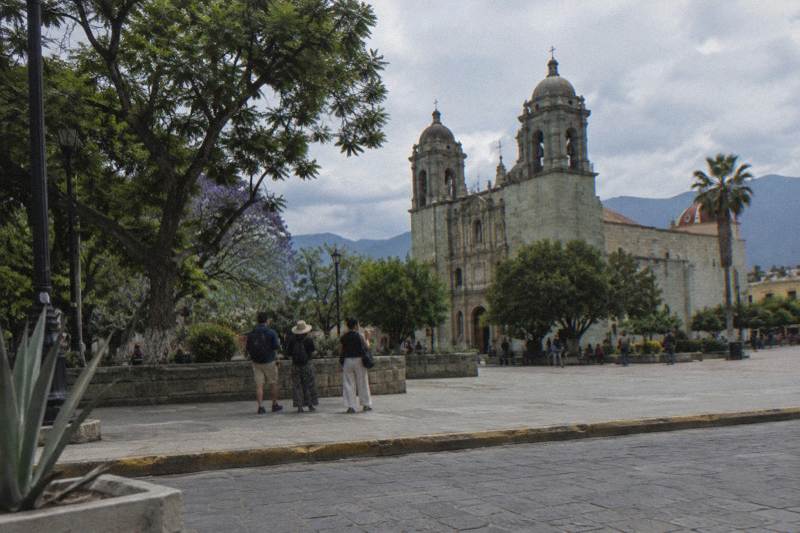
Día De Muertos In Oaxaca: Free Events, Altars And Evening Walking Tours
Día de Muertos turns Oaxaca's streets, squares and cemeteries into something you can walk through without a ticket, if you know which parts are open and which parts are paid.
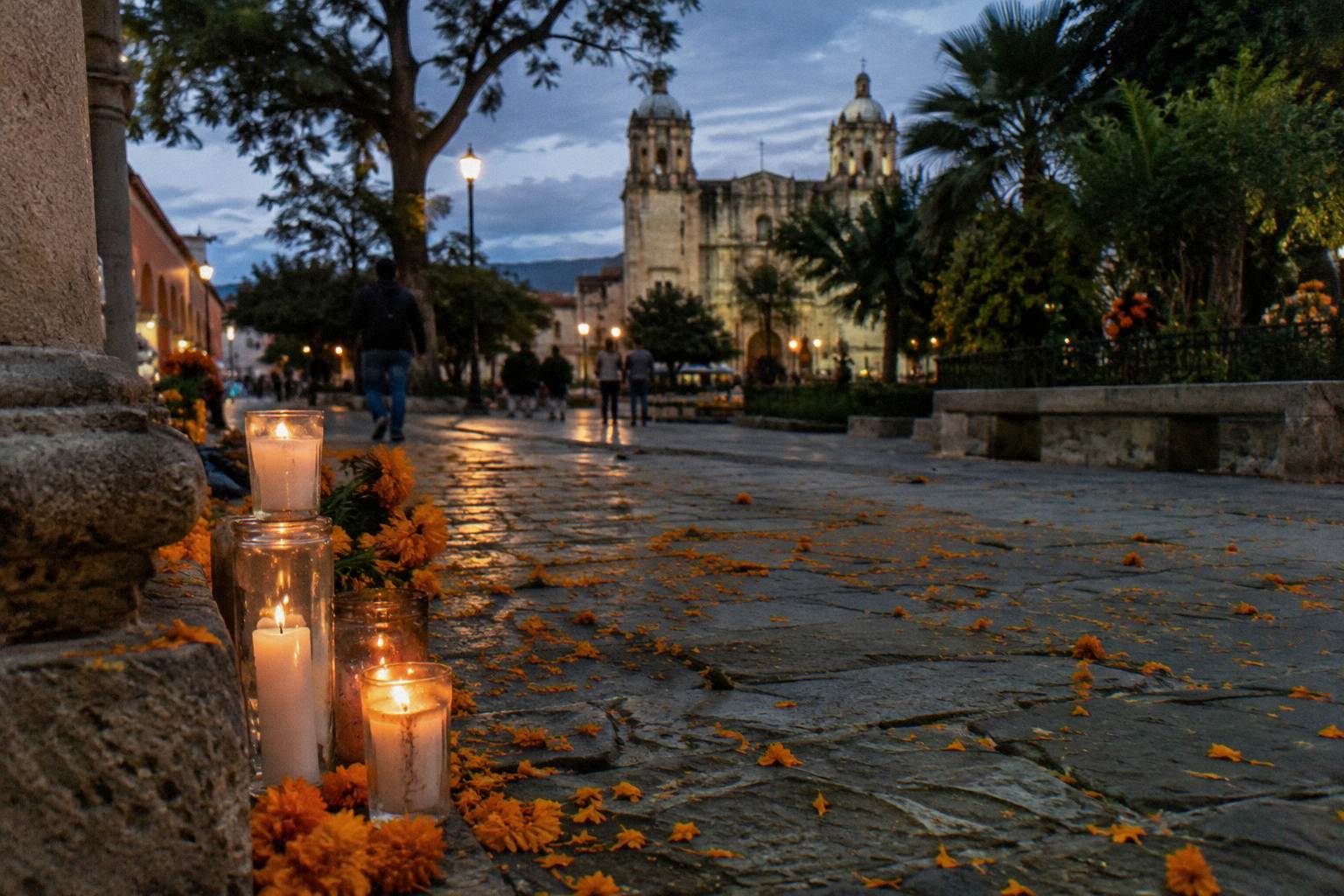
In Short
During Día de Muertos, the public cemeteries, street altars, the Zócalo and Alameda de León, the pedestrian Andador Macedonio Alcalá and the Templo de Santo Domingo de Guzmán are all open without a ticket. The Museo de las Culturas de Oaxaca beside Santo Domingo charges 210 MXN for foreign adults, and Monte Albán outside the city charges the same. Free GuruWalk walking tours run in the center, Xochimilco and Jalatlaco.
Día de Muertos in Oaxaca is not a ticketed festival with a gate. It is a week of family vigils, sand-and-marigold altars, processions and decorated doorways that spreads across public streets, public squares and public cemeteries, and almost all of it can be watched without paying anyone. The paid edges are real and worth knowing in advance: the INAH museum inside the Santo Domingo ex-convent, the Monte Albán archaeological zone outside the city, and every plate of food in the markets. This guide separates the two sides plainly, then shows where the 10 free walking tours in Oaxaca meet while the city is at its most decorated. Part of the Free Things To Do In Oaxaca guides covers the rest of the year.
Quick Facts
| What | Status |
|---|---|
| Public cemeteries and street altars during Muertos | Open without tickets, as families' own vigils |
| Zócalo, Alameda de León, Andador Macedonio Alcalá | Public spaces, no ticket |
| Templo de Santo Domingo de Guzmán | Entering the church is free |
| Museo de las Culturas de Oaxaca (ex-convent) | Ticketed, 210 MXN foreign adults, 105 MXN Mexican nationals |
| Monte Albán (outside the city) | Ticketed, 210 MXN foreign adults, 105 MXN Mexican nationals |
| Free walking tours | 10 free walking tours, pay what you want, reserved on GuruWalk |
What Can Visitors Watch Without Paying?
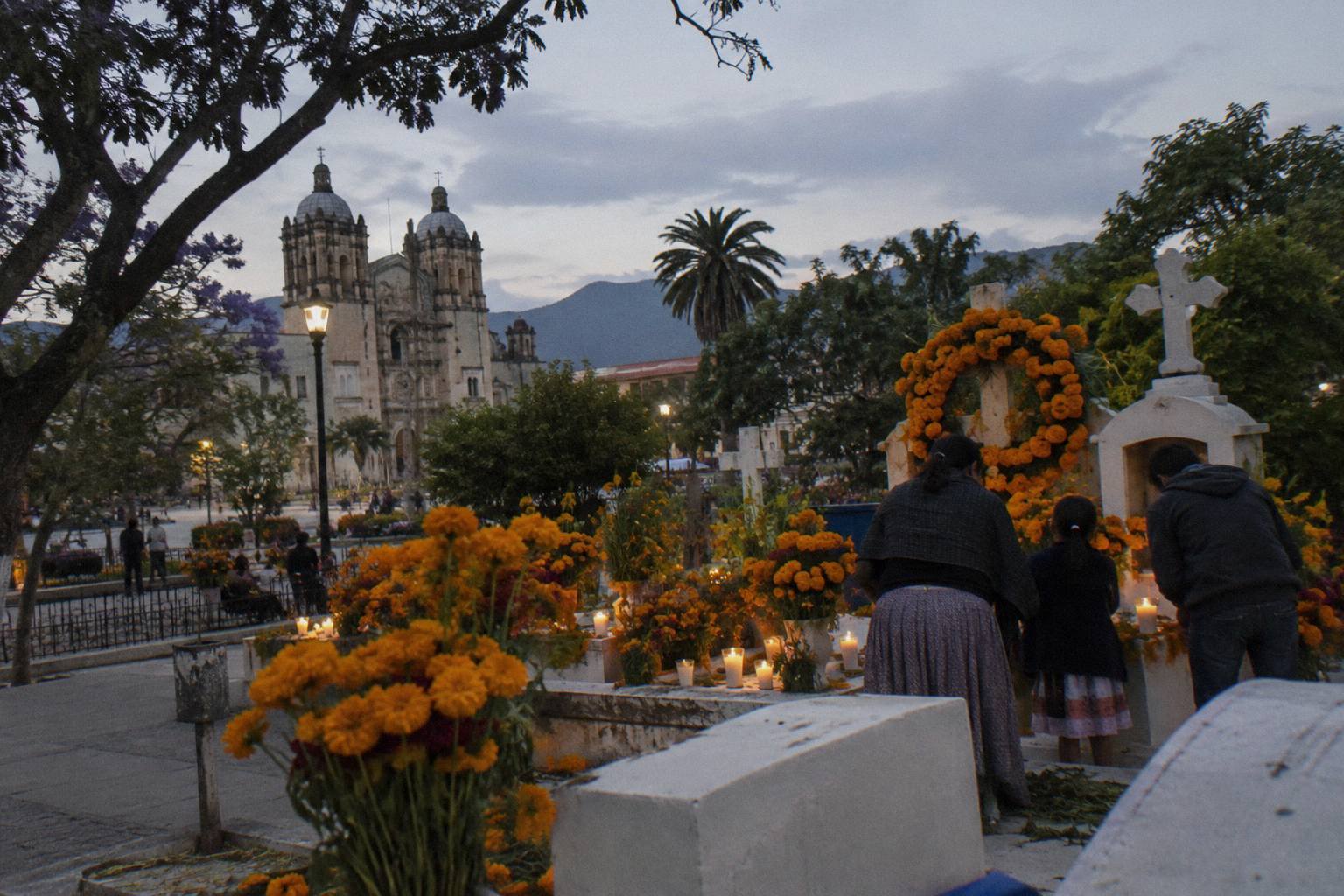
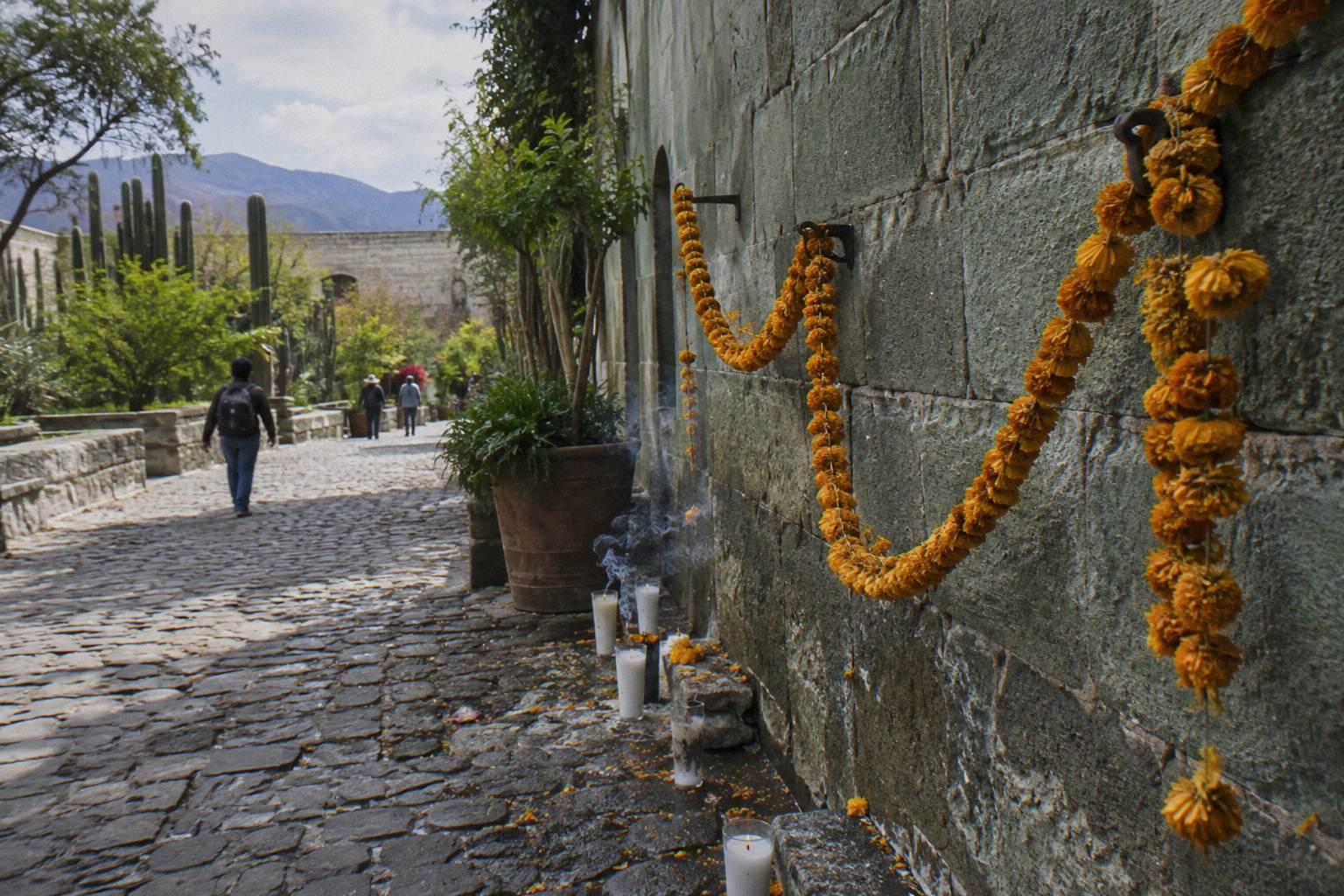
The free side of Muertos is the streets, squares and cemeteries: the public panteones at Xoxocotlán, Atzompa and San Felipe del Agua, the street altars, the Zócalo and Alameda de León, the Andador Macedonio Alcalá and the Templo de Santo Domingo de Guzmán are all open without tickets. The altars are families' own vigils, not performances staged for visitors, and they cost nothing to stand in front of.
The core of the free experience is the comparsa processions and the decorated city itself. Streets fill with music, marigold petals and painted faces, and none of it sits behind a barrier. The Zócalo and the Alameda de León beside it are public squares with no ticket of any kind, and during Muertos both carry ofrendas, the altars built for the dead, set out where anyone can walk up to them. The Andador Macedonio Alcalá, the pedestrian street that runs from the Zócalo toward Santo Domingo, is equally open and usually the most decorated stretch of the center. For how this square splits its free and paid sides the rest of the year, see the guide on what the Zócalo costs and when to join a walking tour.
The cemeteries are the other half. The public panteones at Xoxocotlán, Atzompa and San Felipe del Agua are open without tickets during the vigil nights, because they are working cemeteries where families keep their own observances. That distinction matters for how you carry yourself: these are vigils, not shows, and the families decorating graves are not performing for an audience. Go quietly, give space, and treat candles and offerings as what they are, gifts to someone's dead. Nothing about the cemeteries requires a booking, a guide or a fee.
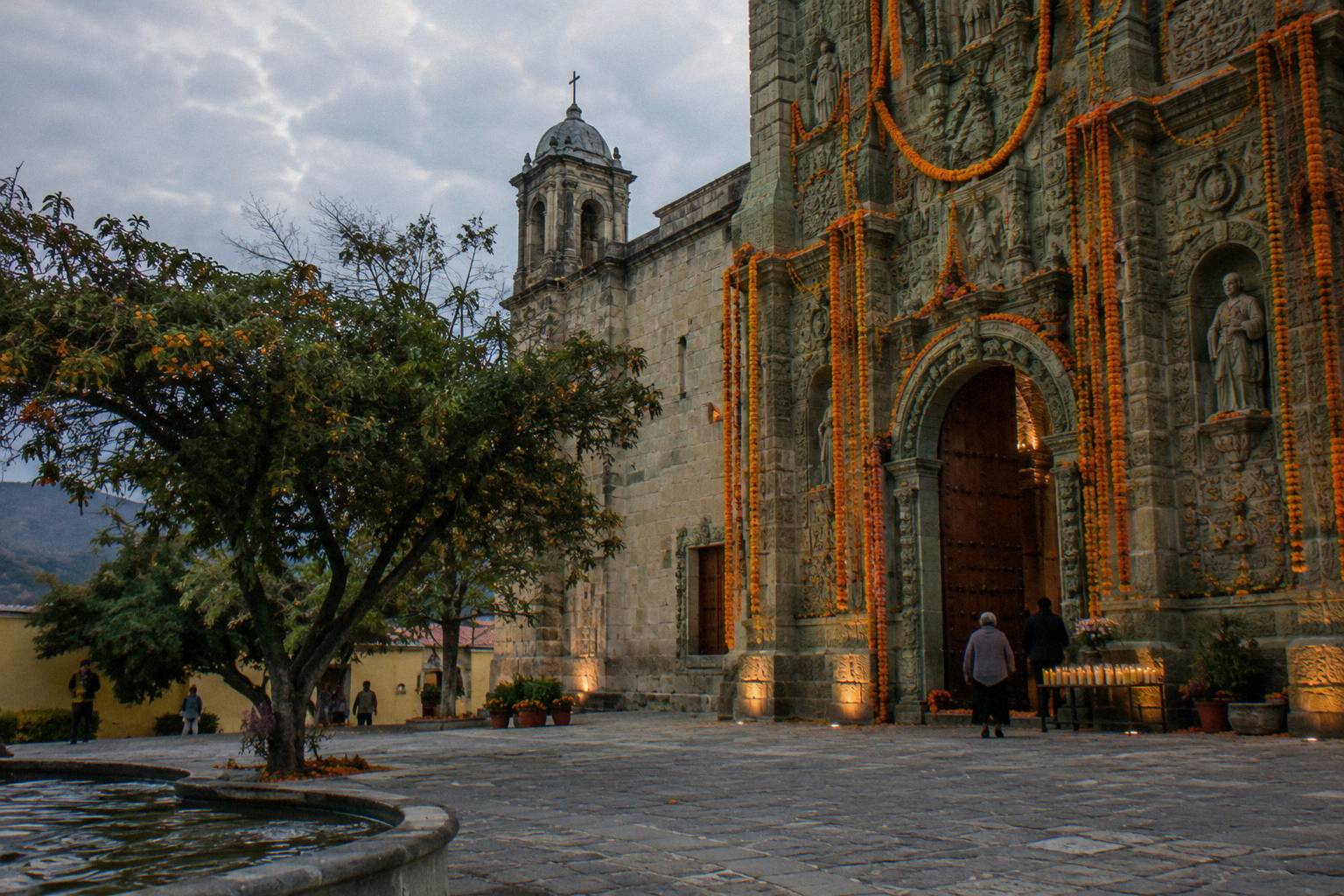
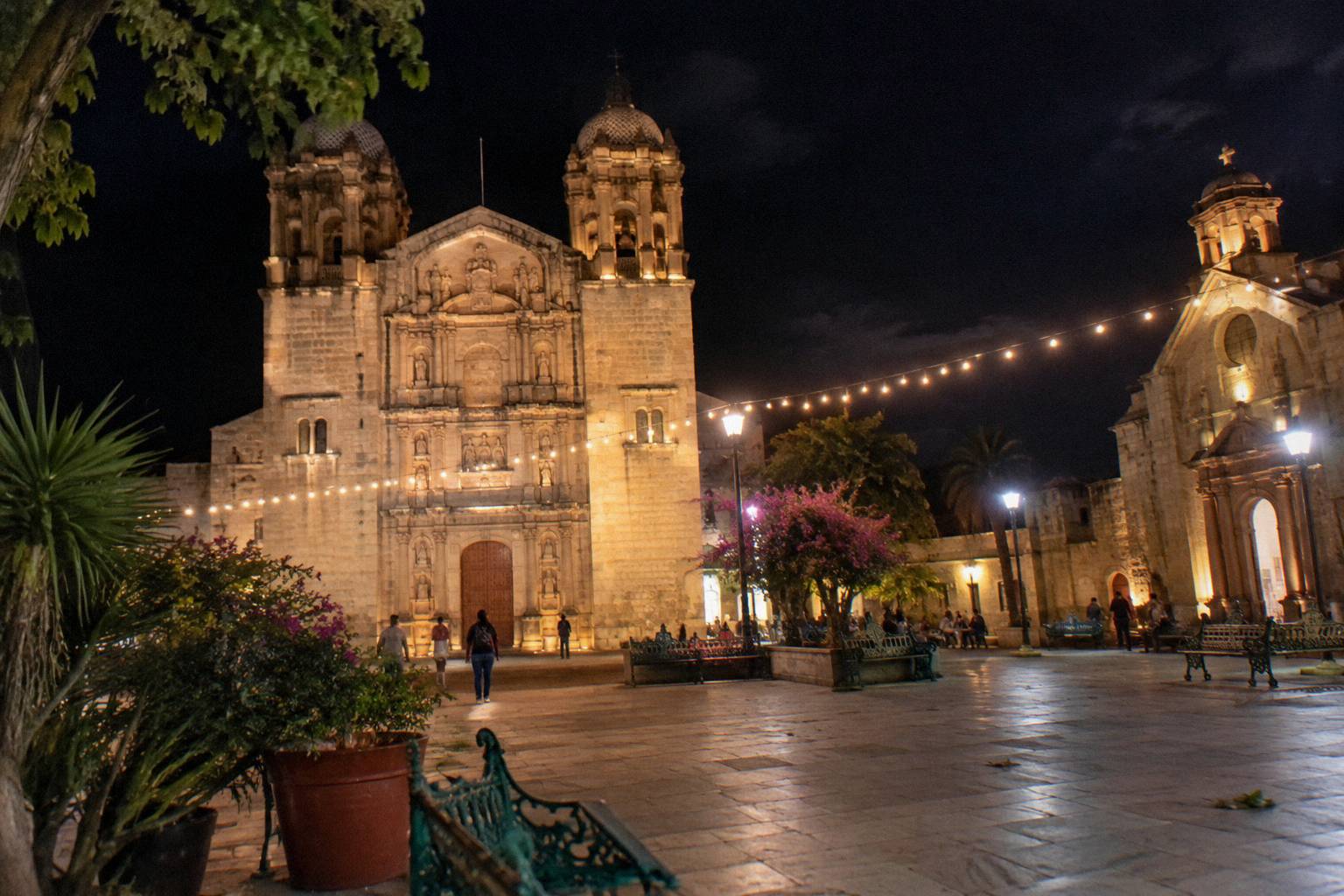
The churches pull their weight too. Entering the Templo de Santo Domingo de Guzmán is free, and during Muertos its interior altars are typically expanded with seasonal ofrendas. The Catedral and the Basílica de la Soledad are public churches with no entry fee reported, and their hours follow services rather than a visitor schedule. A full walk through the free churches is mapped in the churches you can walk into for free, and the same rule holds during the festival: the church is free, the museum beside it is not.
One warning that belongs early: the Noche de Rábanos, the radish-carving exhibition held in late December, is a separate event that sometimes gets folded into Muertos write-ups. Whether its enclosure charges entry is not confirmed, so this guide makes no claim about it either way. Muertos itself needs no such caution. Its free parts are genuinely free.
What Is Free And What Costs Money?
Free: the cemeteries and street altars, the Zócalo and Alameda de León, the Andador Macedonio Alcalá, the Templo de Santo Domingo de Guzmán and the other central churches. Paid: the Museo de las Culturas de Oaxaca in the ex-convent at 210 MXN for foreign adults and 105 MXN for Mexican nationals, and Monte Albán outside the city at the same two figures. Market food and goods are paid everywhere.
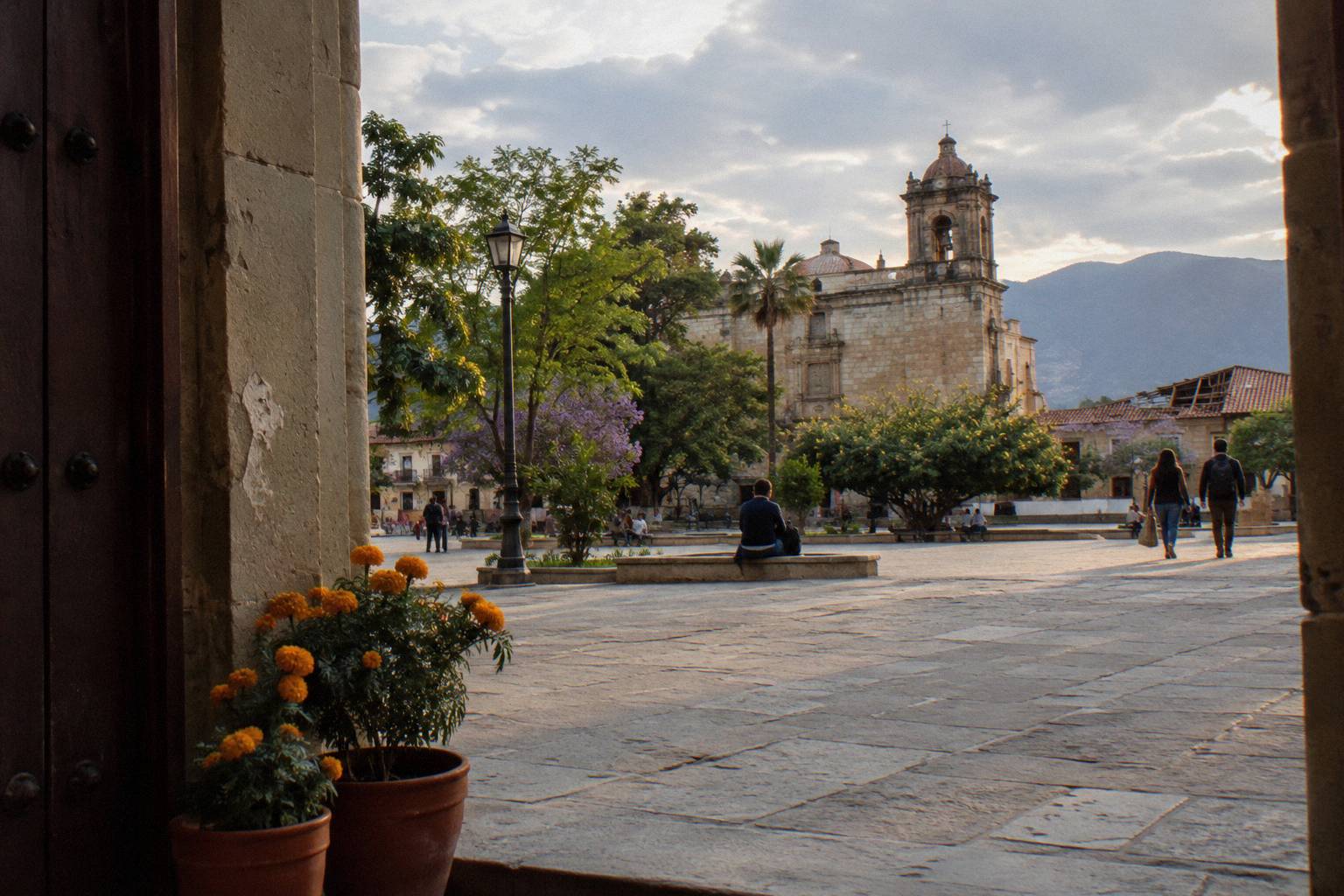
The trap most visitors hit is Santo Domingo, because one building complex carries three different rules. Entering the Templo de Santo Domingo de Guzmán is free; it is a public church. The Museo de las Culturas de Oaxaca, in the ex-convent attached to it, is a ticketed INAH museum charging foreign adults 210 MXN and Mexican nationals 105 MXN. The Jardín Etnobotánico behind it admits visitors on guided visits only, with no self-guided entry, and the state government describes those guided visits as free. A museum never inherits the church's free status, and the church never inherits the museum's ticket. More detail on that split sits in the Santo Domingo church and nearby free walks guide.
Monte Albán is the other common confusion. It lies outside the city, so it is never a walk from the Zócalo, and it is a ticketed INAH archaeological zone with no free entry for visitors from abroad. Foreign adults pay 210 MXN and Mexican nationals 105 MXN. INAH's Sunday free entry, which its own pages list, applies to Mexican nationals and foreign residents of Mexico with ID, not to foreign tourists. The zone opens Monday to Sunday, 08:00 to 17:00, with last access at 16:00, per the INAH page at the INAH site. Whether a ruins day is worth pulling out of a Muertos week is weighed in the guide on Monte Albán versus a free walking tour day.

| Place | Status | Condition |
|---|---|---|
| Cemeteries and street altars | Free | Open without tickets, families' own vigils |
| Zócalo and Alameda de León | Free | Public squares, no ticket |
| Andador Macedonio Alcalá | Free | Pedestrian street, no ticket |
| Templo de Santo Domingo de Guzmán | Free | Public church |
| Museo de las Culturas de Oaxaca | Paid | 210 MXN foreign adults, 105 MXN Mexican nationals |
| Monte Albán | Paid | Outside the city, 210 MXN foreign adults, 105 MXN Mexican nationals |
| Market food and goods | Paid | Walking in is free, everything you buy is not |
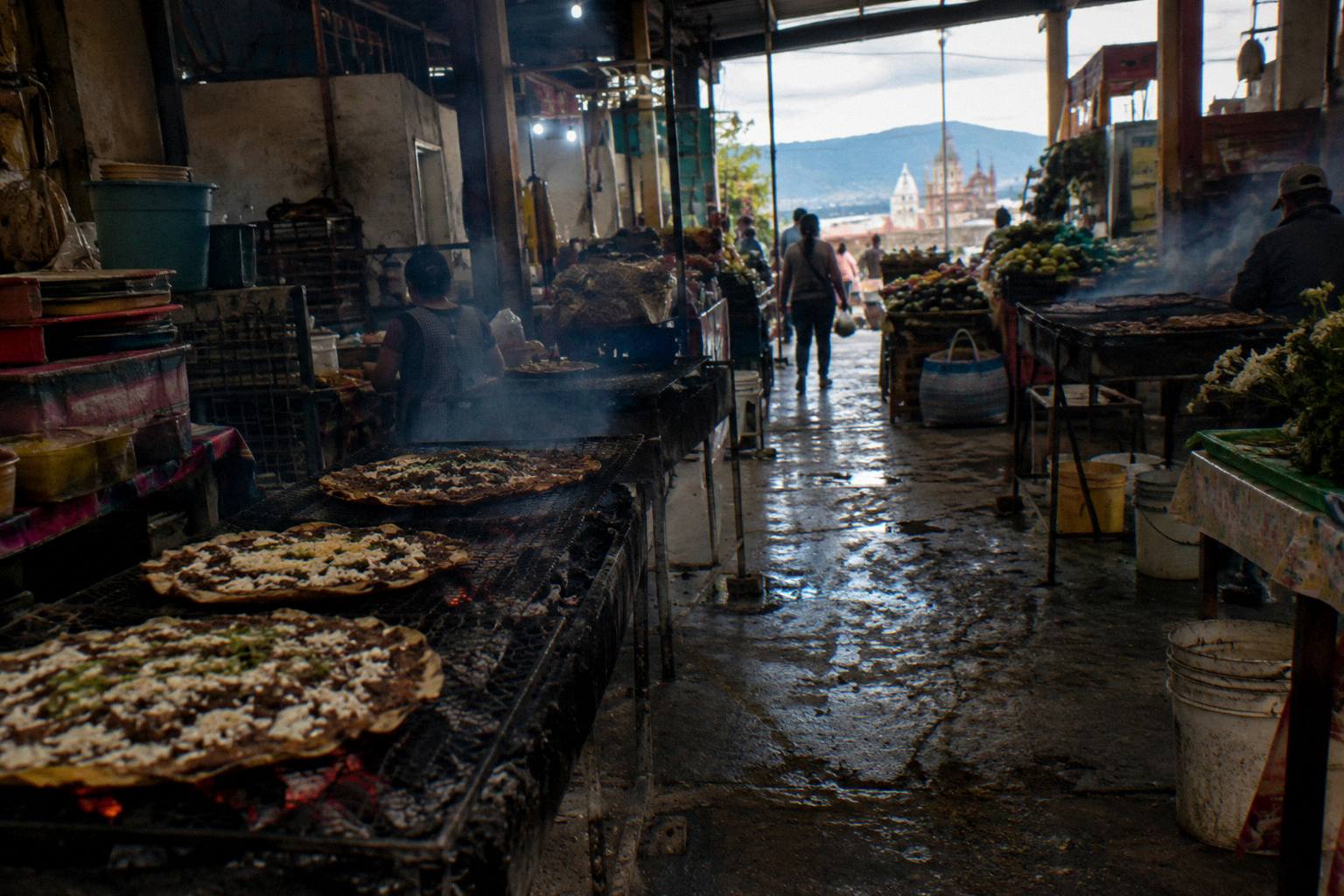
The markets deserve their own line because the pattern confuses people. Walking into the Mercado 20 de Noviembre or the Mercado Benito Juárez costs nothing, and during Muertos both are busy with seasonal bread, candles and flowers. Food and goods are paid. That is the whole rule, and it is the same rule at the Tlacolula Sunday Market outside the city. If you want the market side mapped against the walking tours, the guide on Oaxaca markets before a walking tour breaks it down.
One paid edge should be stated carefully because data does not support a number: the sites run by communities rather than INAH, like Hierve el Agua and the churchyard around the Árbol del Tule, both outside the city, charge community fees and are never free. Neither belongs to a Muertos itinerary on a free basis.
When Is The Best Time To Go?
The festival's core nights cluster around the dates of Día de Muertos itself. Cemetery vigils, open without tickets, take place at night, while the altars, processions and decorated streets run through the surrounding days and evenings. No single evening holds everything, and no ticket is needed for any of it. The paid INAH sites keep their ordinary schedules regardless of the festival.
Plan around a simple split: daytime belongs to the altars, markets and churches, and night belongs to the cemeteries and processions. The street altars in the center, the ofrendas in the Zócalo and the displays inside Santo Domingo can all be seen in daylight, when the churches are open around services and the pedestrian streets are at their most decorated. The cemetery vigils are evening and night events, since families keep them by candlelight. The panteones open for the Día de Muertos vigils without tickets, and the street altars are families' own observances, made by households for the people they remember. Other pages covering the same trip are gathered on Free Things To Do In Oaxaca.
The walking tours slot into the daytime side easily, and they are the one structured free activity available. Every walk on this site is free, pay what you want, reserved on GuruWalk, and each is run by an independent local guide. Durations run 2 to 2 hours 30 minutes across the 10 free walking tours in Oaxaca, meeting in the center, in Xochimilco and in Jalatlaco. If you are weighing whether the city is manageable on foot during a busy festival week, the guide on whether Oaxaca is walkable covers the terrain, and what to wear on a walking tour covers the practical side.
For the paid pieces, timing works differently. The Museo de las Culturas de Oaxaca keeps its INAH schedule rather than a festival one, and Monte Albán outside the city is open Monday to Sunday, 08:00 to 17:00, with last access at 16:00. Neither becomes free or extended because it is Muertos. The month-by-month picture of the city, festival crowds included, is laid out in the best time for a walking tour in Oaxaca.
A note on safety at night, since cemetery vigils run late: Oaxaca is considered a walkable city, and the evening questions visitors ask are answered squarely in free evening walking tours and the Zócalo after dark. The US advisory for the state reads Level 2, increased caution, with the city itself not restricted. Nothing in the data says a vigil night changes that, so the ordinary evening rules apply: know your route back, and treat the cemeteries with the quiet a family vigil expects.
Where Do Free Walking Tours Meet Nearby?
The 10 free walking tours in Oaxaca meet at fixed points across the center, Xochimilco and Jalatlaco, run 2 to 2 hours 30 minutes, and are reserved on GuruWalk. In the center they meet at Cosijoeza 110A, Jardín El Pañuelito, the Museo de los Pintores Oaxaqueños, the Teatro Macedonio Alcalá and ARIPO; in Xochimilco at the Plaza de la Cruz de Piedra and Café Kapel Nana; in Jalatlaco at the Iglesia de San Matías Jalatlaco.
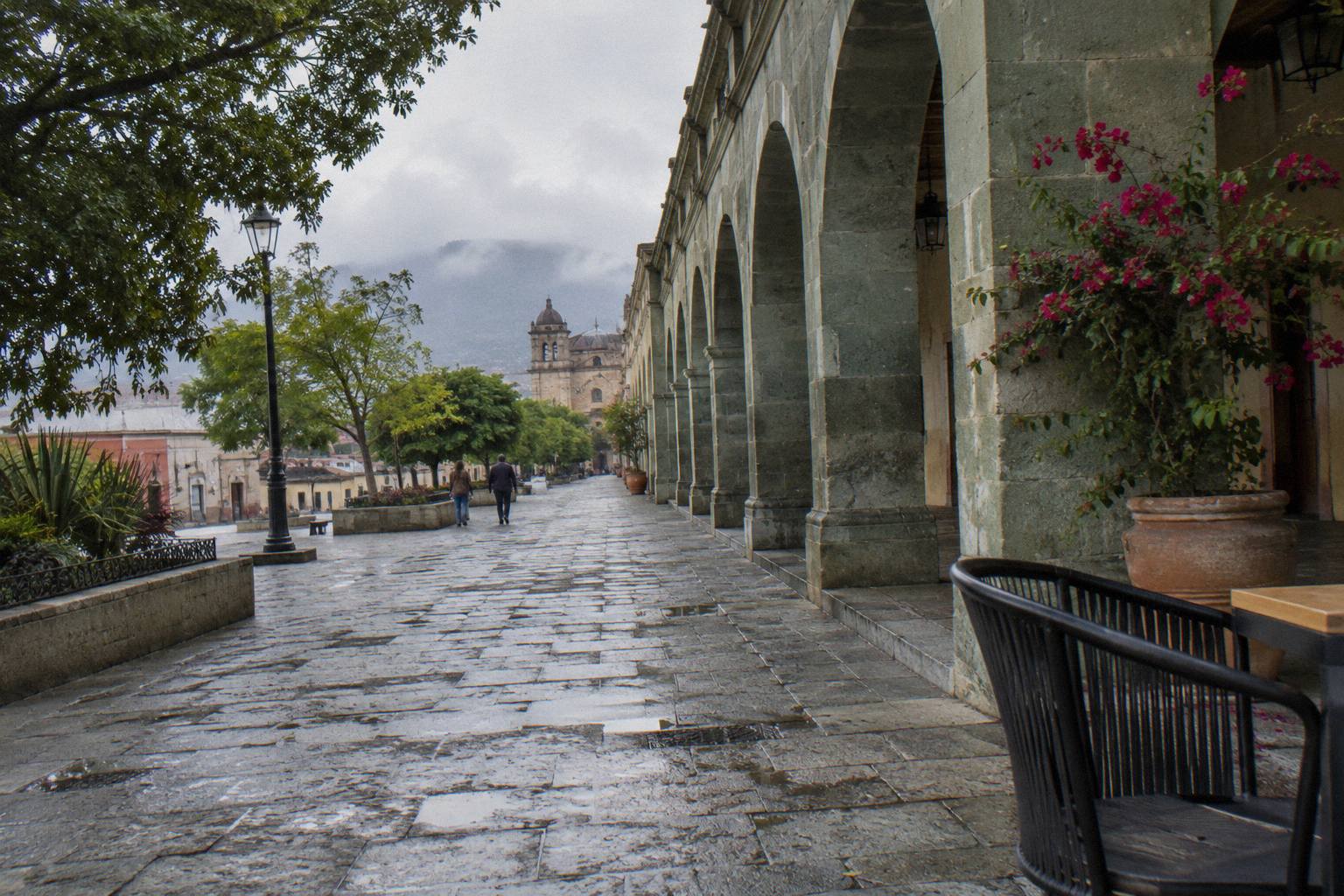
The center walks are the natural fit for a Muertos week, because the decorated streets and the altars are exactly where they meet. Start with Free Walking Tour Oaxaca by locals, run by Oaxaca by locals, rated 4.63 out of 5 across 1,165 GuruWalk reviews: 2 hours, English and Spanish, meeting at Cosijoeza 110A in the Centro. It is the most-reviewed walk on this site, and its meeting point puts you in the middle of the festival streets from the first minute. You can see this free tour on its own page.
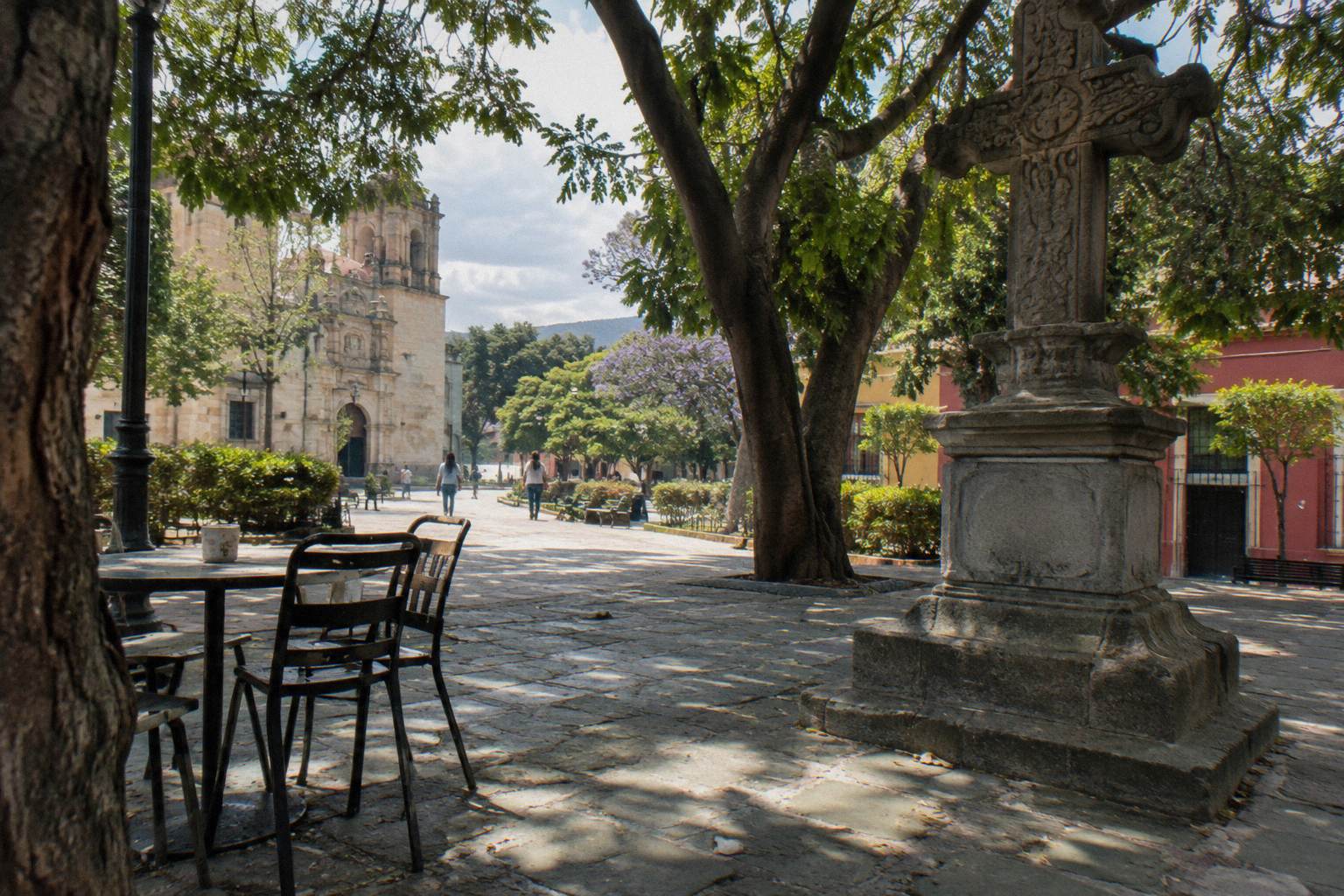
Other center options vary by meeting point and language. The Professional Guide By Free Tour Europe walk, rated 4.9 out of 5 across 271 GuruWalk reviews, meets at Jardín El Pañuelito and runs 2 hours in English and Spanish. The Essential History And Art Walk by Estación meets at the Museo de los Pintores Oaxaqueños, rated 4.63 out of 5 across 190 GuruWalk reviews. The Local Secrets walk, 2 hours 30 minutes and English only, meets at the Teatro Macedonio Alcalá, and the Kactus Introduction meets at ARIPO next to the fountain. The By Locals walk and the Jalatlaco Street Art walk share the Cosijoeza 110A meeting point, which is handy if you want two walks from one landmark.
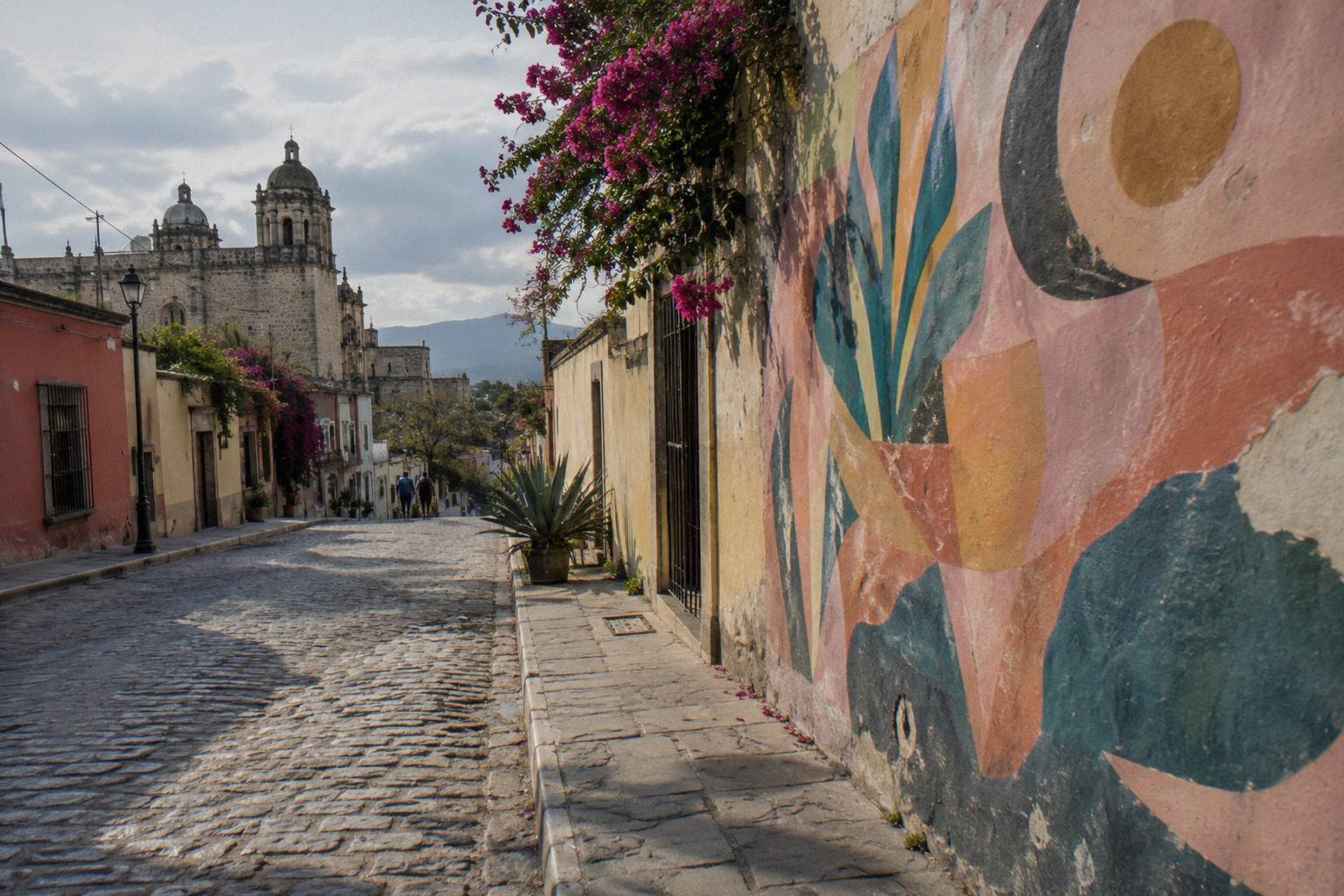
Xochimilco, the neighborhood rather than the Mexico City canals, carries its own Muertos character, and it has center-adjacent walks too. The From Xochimilco walk by Around Oaxaca city, rated 4.99 out of 5 across 496 GuruWalk reviews, meets at the Plaza de la Cruz de Piedra in Xochimilco and runs 2 hours 30 minutes in English and Spanish. The Markets, History And Art Walk meets at Café Kapel Nana and Eden MiniGalería, rated 5 out of 5 across 28 GuruWalk reviews, a small pool stated plainly. There is also a Xochimilco walk, Aztec Roots And Chocolate, rated 4.78 out of 5 across 23 GuruWalk reviews: it meets at the Plaza de la Cruz de Piedra, runs 2 hours in English and Spanish, and is free, pay what you want.
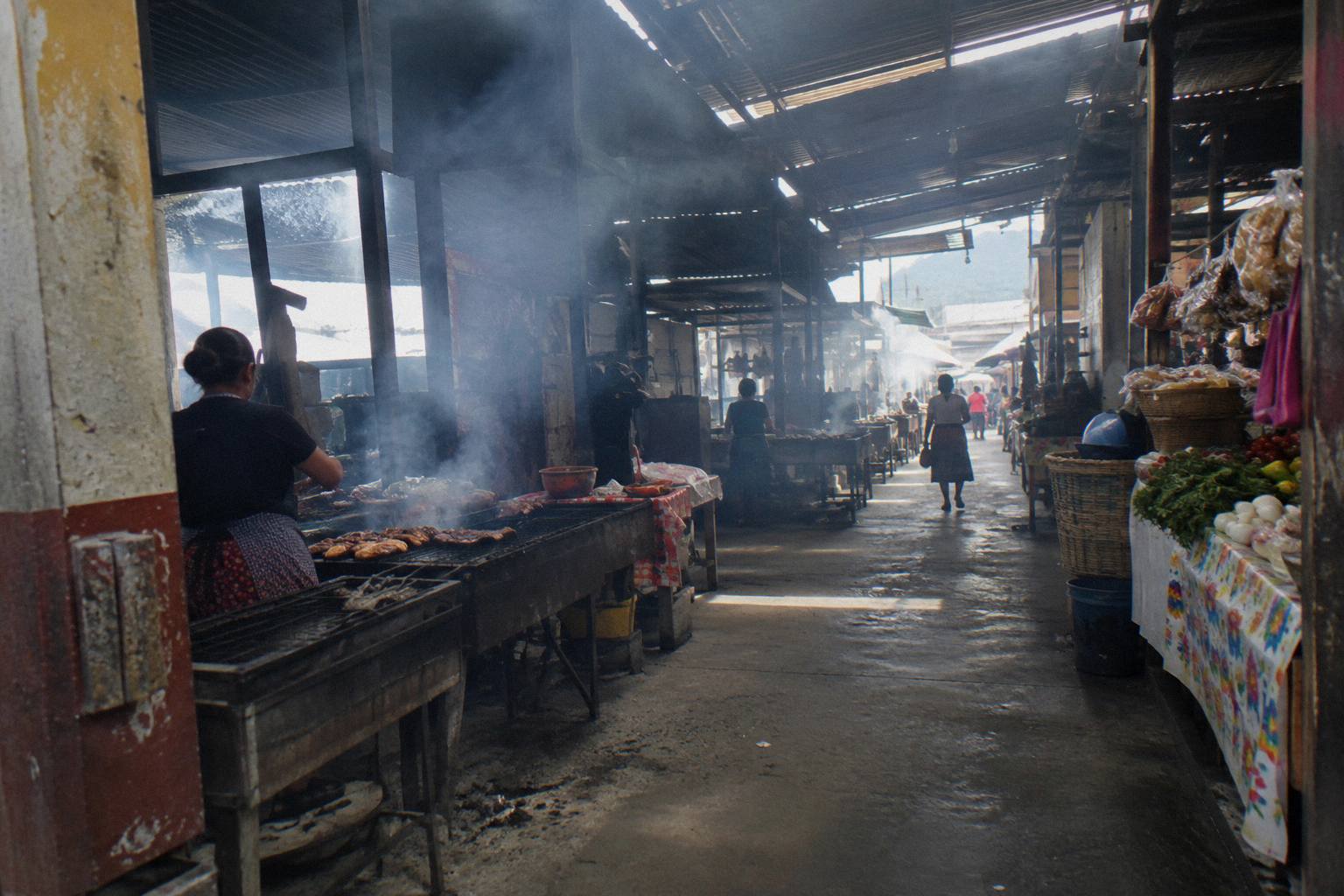
Jalatlaco is the mural neighborhood, and during Muertos its decorated streets and church square carry altars alongside the art. Two GuruWalk walks cover it: the Jalatlaco Street Art tour by Oaxaca by locals, rated 4.91 out of 5 across 636 GuruWalk reviews, English only, 2 hours, meeting at Cosijoeza 110A in the Centro; and the Jalatlaco Murals And Art Workshops walk, rated 4.93 out of 5 across 96 GuruWalk reviews, 2 hours, English and Spanish, meeting at the Iglesia de San Matías Jalatlaco itself. The street-art side of the city is mapped in detail in Oaxaca street art and mural routes.
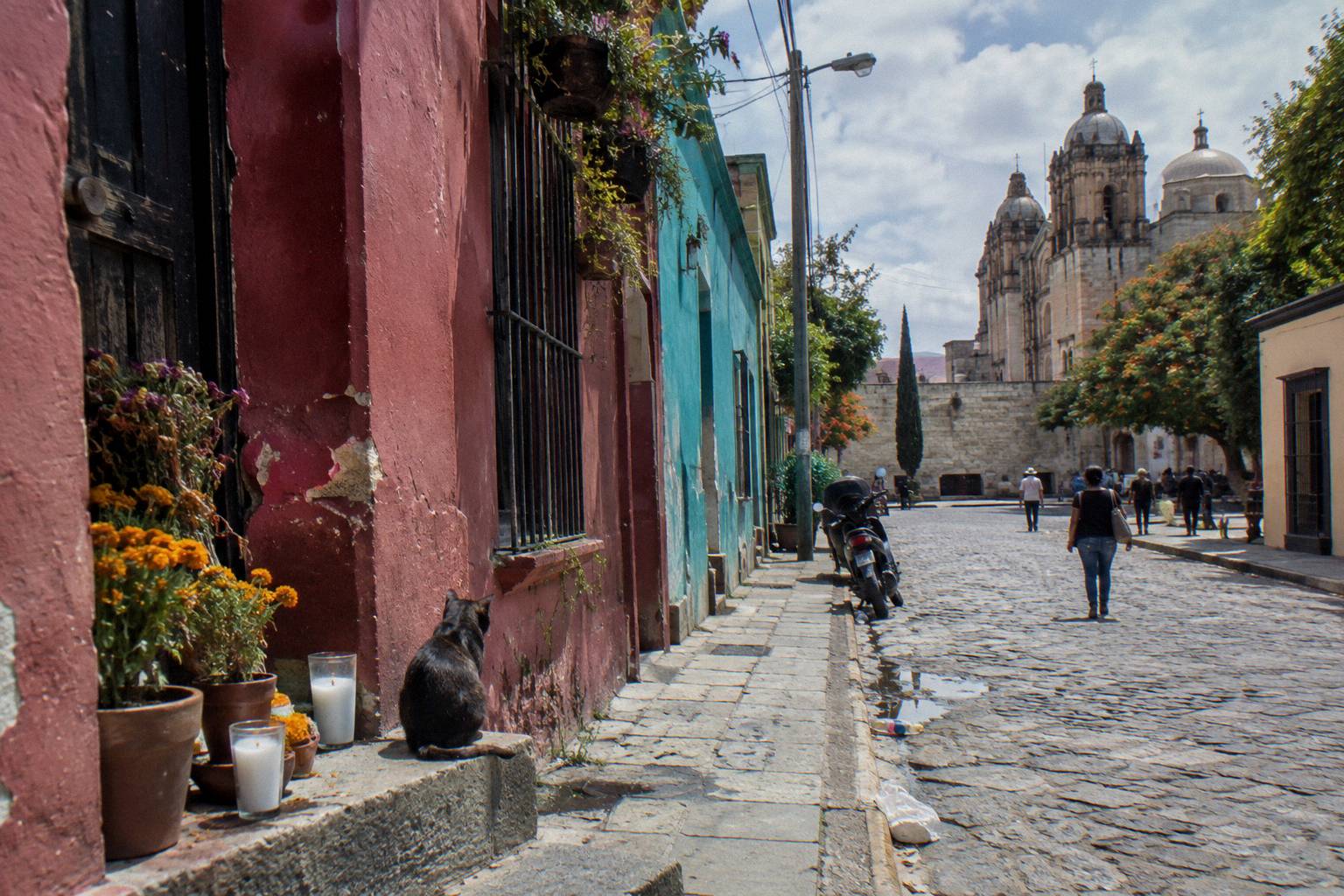
| Walk | Meets at | Duration | Languages | Rating |
|---|---|---|---|---|
| Centro And Santo Domingo Route | Cosijoeza 110A, Centro | 2 hours | English and Spanish | 4.63 out of 5, 1,165 GuruWalk reviews |
| Street Art Of Jalatlaco | Cosijoeza 110A, Centro | 2 hours | English | 4.91 out of 5, 636 GuruWalk reviews |
| Xochimilco Start, Through Time | Plaza de la Cruz de Piedra, Xochimilco | 2 hours 30 minutes | English and Spanish | 4.99 out of 5, 496 GuruWalk reviews |
| Professional Guide By Free Tour Europe | Jardín El Pañuelito | 2 hours | English and Spanish | 4.9 out of 5, 271 GuruWalk reviews |
| Essential History And Art Walk | Museo de los Pintores Oaxaqueños | 2 hours | English and Spanish | 4.63 out of 5, 190 GuruWalk reviews |
| Markets, History And Art Walk | Café Kapel Nana and Eden MiniGalería | 2 hours | English and Spanish | 5 out of 5, 28 GuruWalk reviews |
| Jalatlaco Murals And Art Workshops | Iglesia de San Matías Jalatlaco | 2 hours | English and Spanish | 4.93 out of 5, 96 GuruWalk reviews |
Two practical notes finish this section. Every walk above is free, pay what you want, and reserved on GuruWalk; no amount is published and the reader decides, which is the whole answer to what a walk costs. And no walk's route is described beyond its meeting point and neighborhood here, because that is what each walk's own GuruWalk page states. For the mechanics of pay-what-you-want tours generally, what a free walking tour is and how guides get paid is the dedicated explainer.
Mistakes That Trip People Up At Día De Muertos In Oaxaca
The recurring mistakes are treating paid parts as free: assuming the ex-convent museum beside Santo Domingo inherits the church's free entry, expecting INAH Sunday free entry as a foreign visitor, calling Monte Albán a walk from the Zócalo, and assuming market food comes free with free entry. The other side is expecting the cemeteries to be a show staged for visitors, when they are family vigils that happen to be open without tickets.
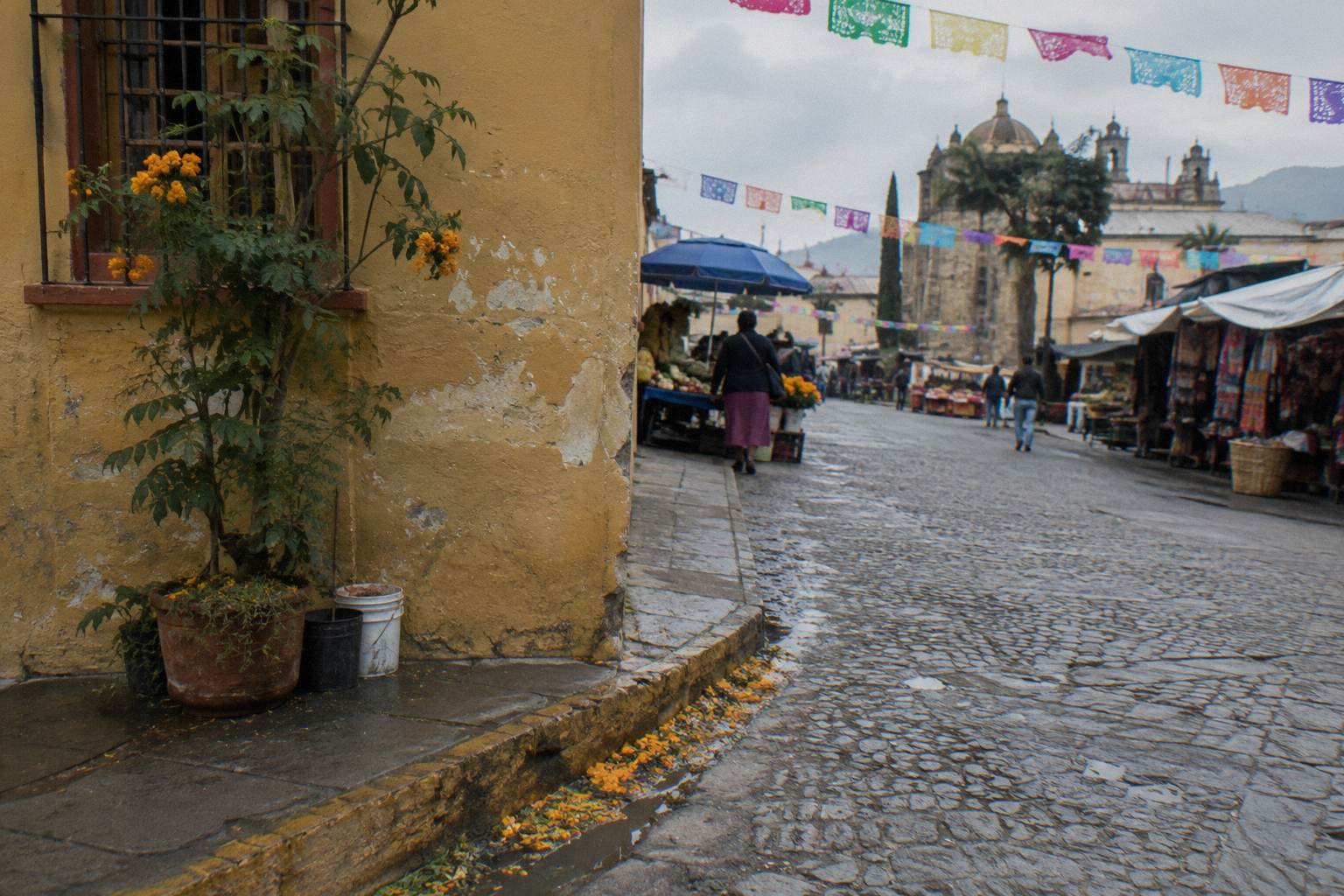
The Santo Domingo mistake is the most common and the most expensive per person. A visitor walks into the free church, sees the door to the ex-convent, and assumes it is one building with one rule. It is not. The Museo de las Culturas de Oaxaca is a separate ticketed INAH museum at 210 MXN for foreign adults, 105 MXN for Mexican nationals, and the Jardín Etnobotánico behind it admits visitors only on guided visits, with no self-guided entry. Three buildings, three rules, one block. The Oaxaca state government's own pages describe the garden's guided visits, and the INAH pages carry the museum's ticket figures.
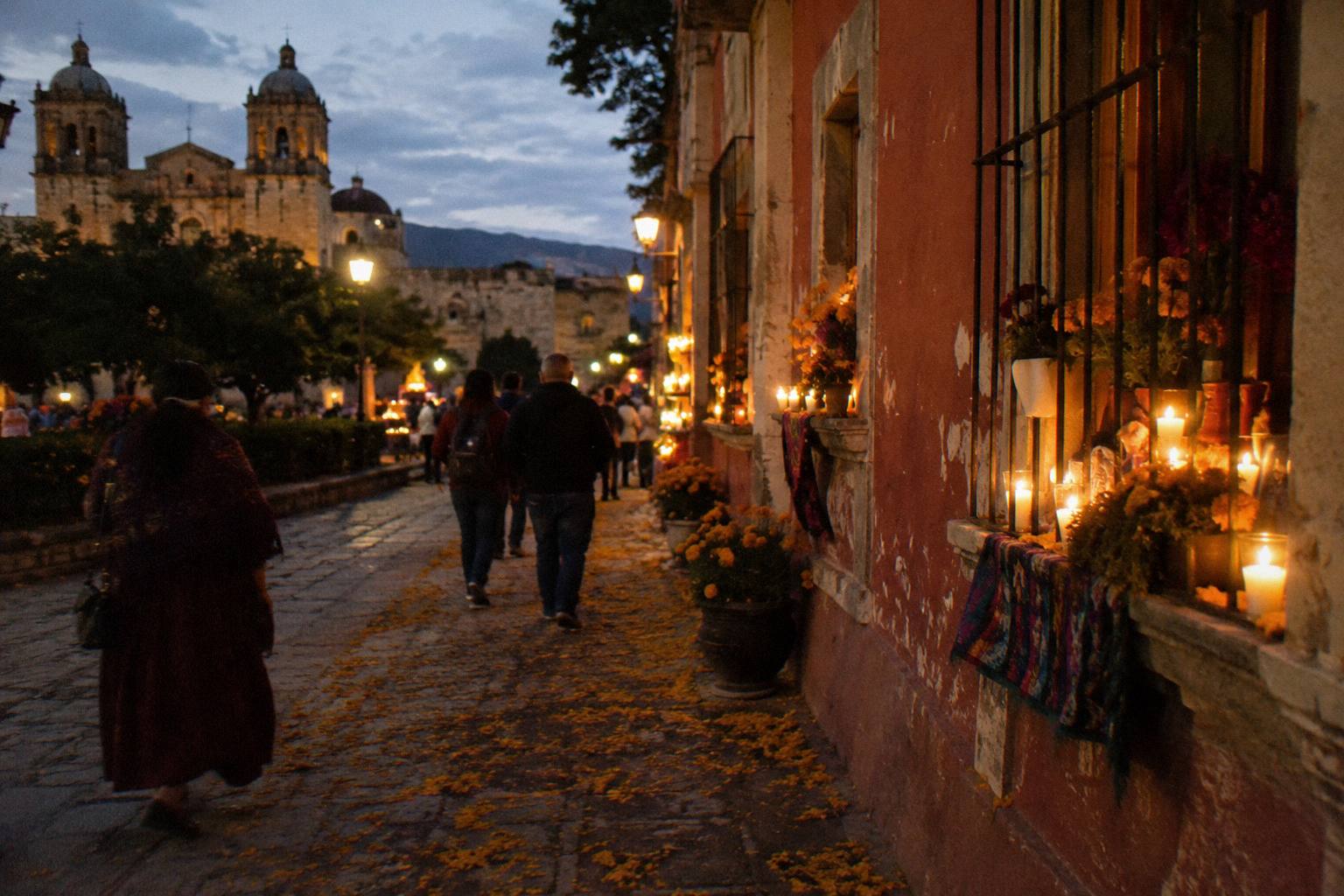
The INAH Sunday mistake follows the same shape. INAH's pages do say Sundays are free, and the words on the page are genuine, but they apply to Mexican nationals and foreign residents of Mexico with ID. Visitors from abroad pay at Monte Albán, at the ex-convent museum, and at every other INAH site in the region, on Sundays like any other day. The second half of that mistake is geography: Monte Albán, Mitla, Yagul, Hierve el Agua, El Tule and Tlacolula all lie outside the city, so none of them is a stroll from the Zócalo, and none of the free walking tours here covers them. The free walks stay in the center, Xochimilco and Jalatlaco.
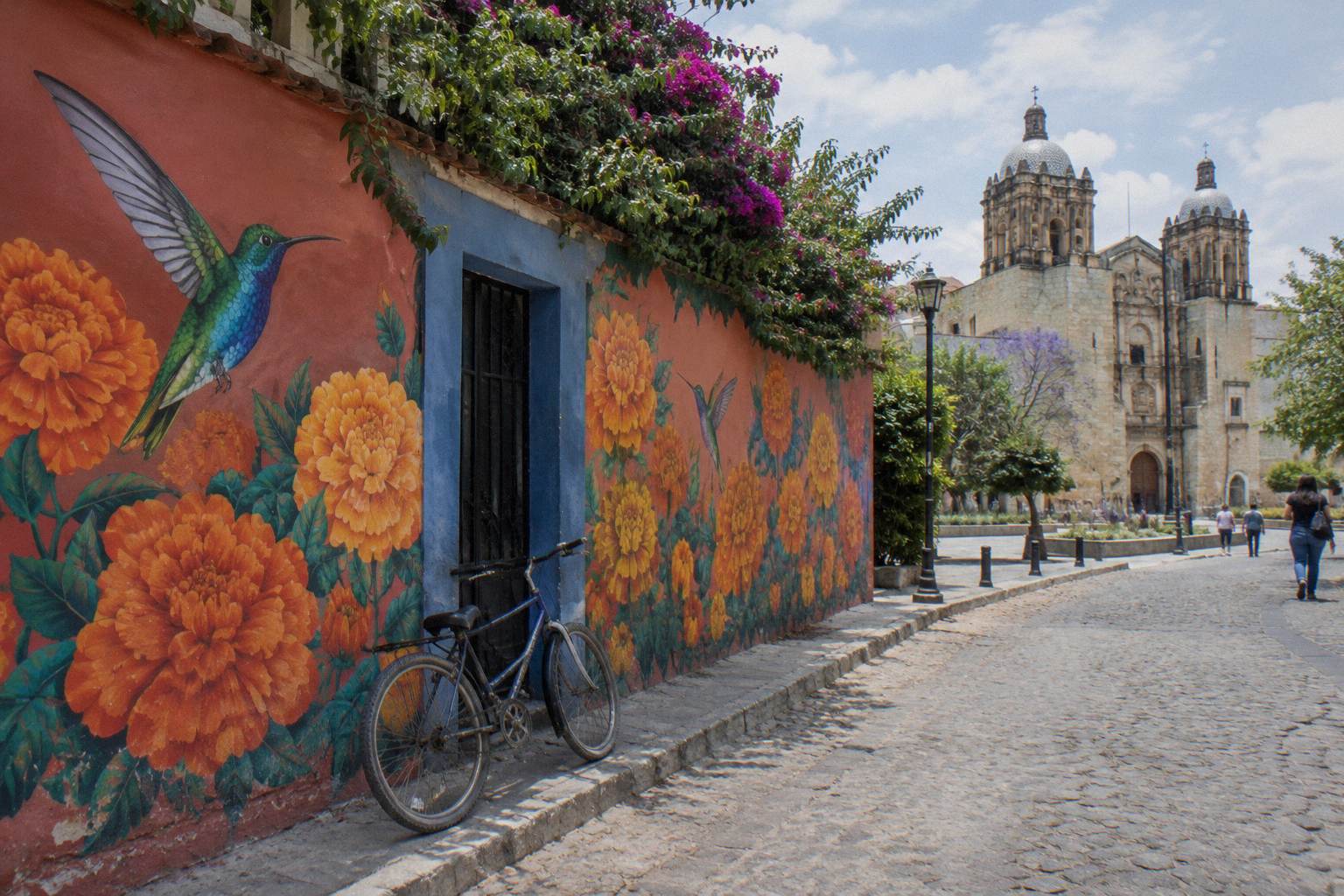
The market mistake is smaller money but more frequent. Walking into the Mercado 20 de Noviembre is free, and during Muertos it is one of the most atmospheric free interiors in the city, but every bread, candle and plate inside is paid. The same rule holds at Mercado Benito Juárez, at Mercado de Abastos and at the Tlacolula Sunday Market. Free to enter, paid to eat, stated once and simply.
The last mistake is behavioral rather than financial. The cemetery vigils are open without tickets because they are families' own observances in public panteones, not ticketed spectacles. Visitors who treat a graveside vigil like a photo attraction misread the one condition attached to the whole free evening. Nothing is charged, and nothing is staged: the quiet is the price of admission, and it is the only price on the free side of this festival.
Common Questions
Are The Día De Muertos Events In Oaxaca Free To Watch?
The public parts are. The cemeteries at Xoxocotlán, Atzompa and San Felipe del Agua, the street altars, the Zócalo and Alameda de León, the Andador Macedonio Alcalá and the Templo de Santo Domingo de Guzmán are all open without tickets, as families' own vigils and public spaces. Paid pieces sit beside them: the ex-convent museum at 210 MXN for foreign adults and Monte Albán outside the city at the same figure.
Can Tourists Go To The Cemeteries During Muertos?
Yes, the public panteones are open without tickets. They are working cemeteries where families keep all-night vigils by candlelight, not performances staged for visitors. Go quietly, give the gravesides space, and treat candles, food and marigold offerings as gifts to the dead rather than decorations.
Is The Santo Domingo Church Free During The Festival?
Entering the Templo de Santo Domingo de Guzmán is free; it is a public church. The Museo de las Culturas de Oaxaca in the ex-convent beside it is ticketed at 210 MXN for foreign adults and 105 MXN for Mexican nationals, and the Jardín Etnobotánico behind it admits visitors on guided visits only. One block, three separate rules.
Do Free Walking Tours Run During Día De Muertos?
The 10 free walking tours in Oaxaca are listed as live GuruWalk walks, each free, pay what you want, and reserved on the platform. They meet in the center, in Xochimilco and in Jalatlaco, run 2 to 2 hours 30 minutes, and several run in both English and Spanish. Check the walk's own GuruWalk page for the dates you are in the city.
Is Monte Albán Free On Sundays For Foreign Visitors?
No. INAH Sunday free entry applies to Mexican nationals and foreign residents of Mexico with ID only. Visitors from abroad pay 210 MXN at Monte Albán on every day of the week. Monte Albán also lies outside the city, so it is never a walk from the Zócalo and no free walking tour covers it.
How Much Should You Tip On A Free Walking Tour In Oaxaca?
No amount is published and this site gives no verdict on what is enough. Every walk on this site is free, pay what you want, reserved on GuruWalk, and the reader decides. For context on prices only: 210 MXN is the price of a foreign adult ticket at Monte Albán, a plain fact about ticket costs rather than a suggested figure for a guide.