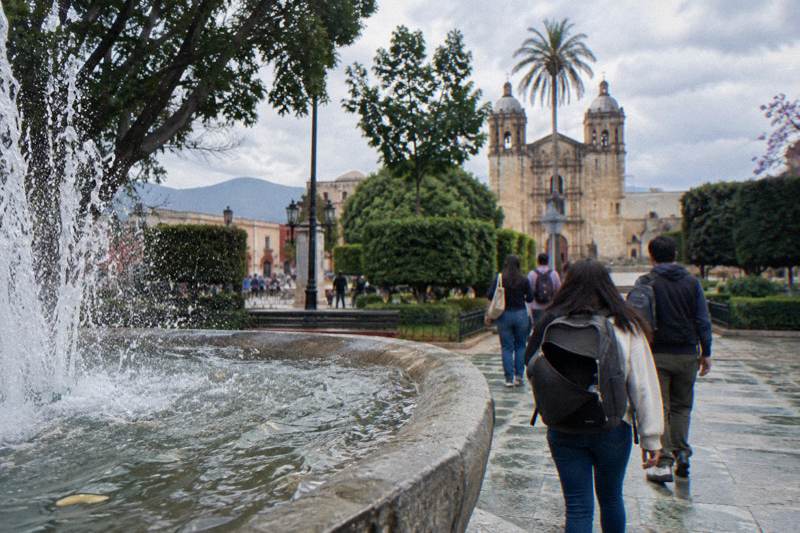
What Is The Biggest Festival In Oaxaca? Free Ways To Join In On A Walking Tour
The Guelaguetza is the biggest festival in Oaxaca. Here is what is free during it, what costs money, and how a free walking tour fits around the festival.
In Short
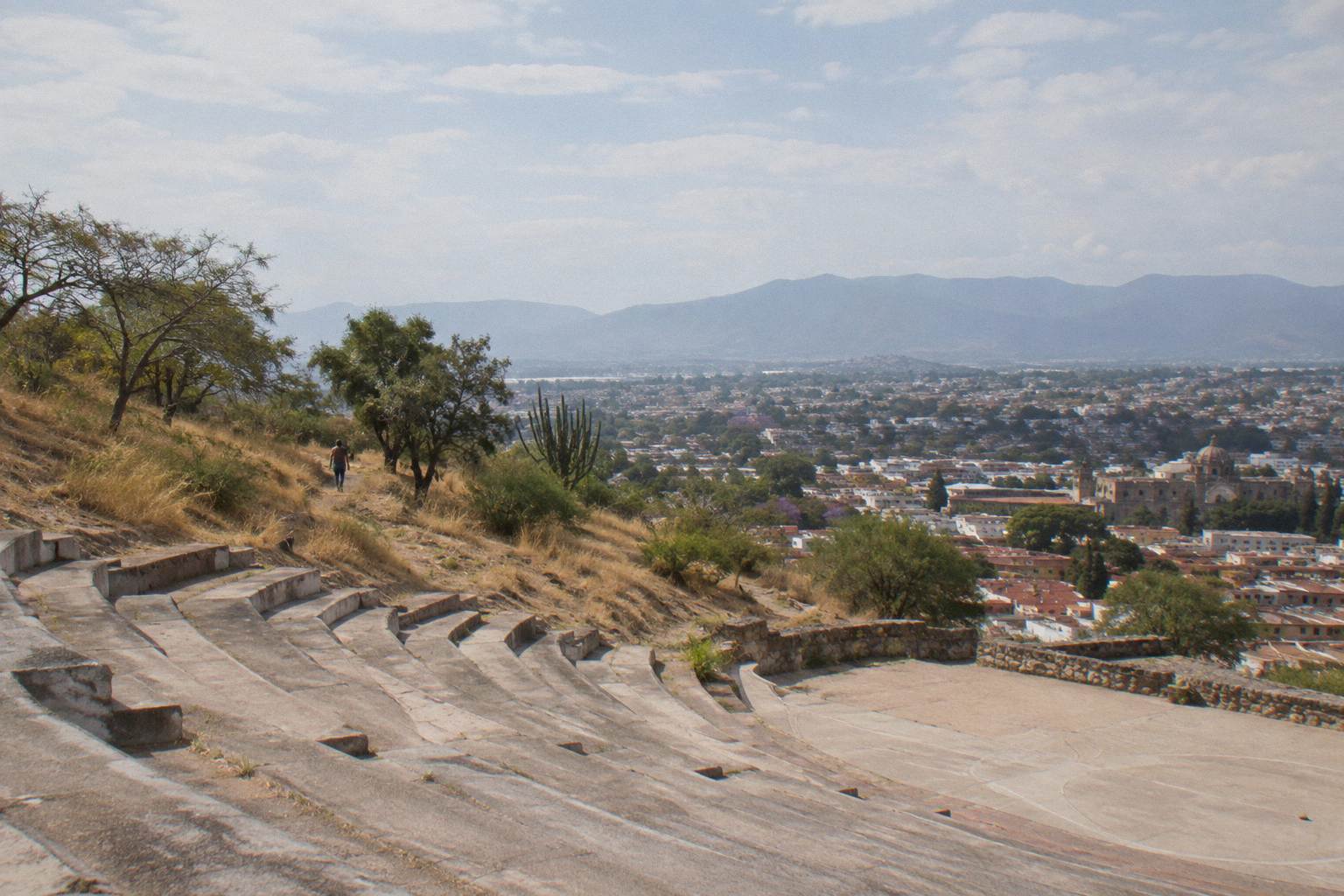
The Guelaguetza is the biggest festival in Oaxaca, usually held on the last two Mondays of July in the Auditorio Guelaguetza on Cerro del Fortín. Its upper sections, C and D, are free, first come and unreserved, while sections A and B need a ticket. Cerro del Fortín itself is a free public hill park, and the Zócalo and Alameda de León stay free throughout. The city's 10 free walking tours, free, pay what you want on GuruWalk, run all year, festival or not.
This question sits inside the Guelaguetza free events guide.
What Is The Short Answer?
The biggest festival in Oaxaca is the Guelaguetza, a dance and music celebration usually held on the last two Mondays of July in the Auditorio Guelaguetza on Cerro del Fortín, a free public hill park above the city. The auditorium's upper sections, C and D, are free, first come and unreserved; sections A and B need a ticket. Below the hill, the free squares and churches cost nothing, festival week or any week.
The name Guelaguetza comes from a Zapotec word for offering or exchange, and the festival as staged today gathers dance delegations from across the state's regions into one auditorium on one hill. The dates follow the pattern of the last two Mondays of July rather than fixed calendar dates, so a visitor planning around the festival should check the official program for the year rather than assume. The hill itself, Cerro del Fortín, is a public park with no ticket, and many people who never enter the auditorium at all still experience the festival from the hillside, the surrounding streets and the free public squares below.
What makes the Guelaguetza unusually friendly to a budget visitor is the split inside the auditorium. Sections A and B, the closest to the stage, are ticketed and sold only through the official online channel. Sections C and D, the upper rows, are free, first come and unreserved, which means arriving early enough to claim a place is part of the experience. Sections A and B are ticketed, sold through the official channel, while sections C and D cost nothing to enter.
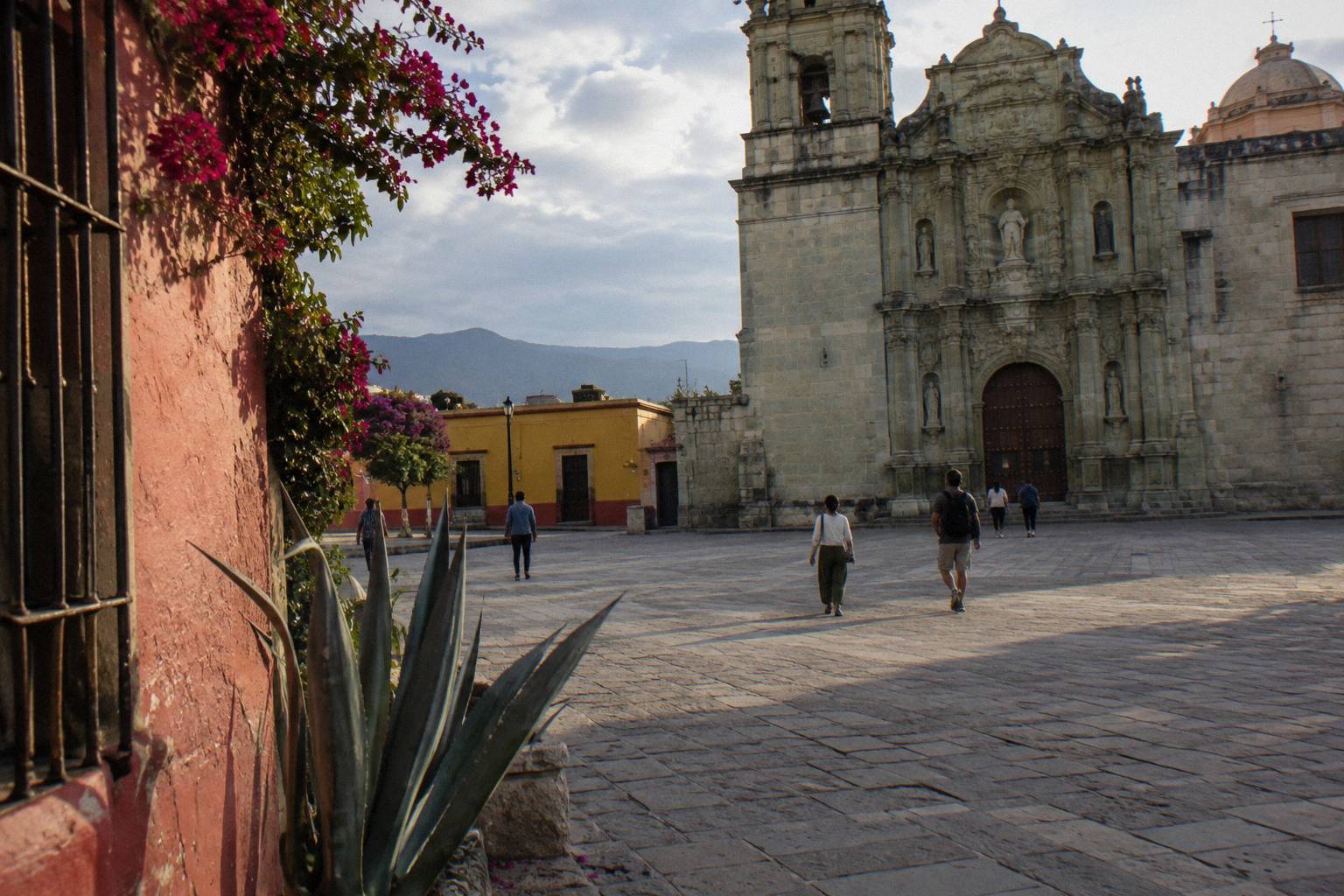
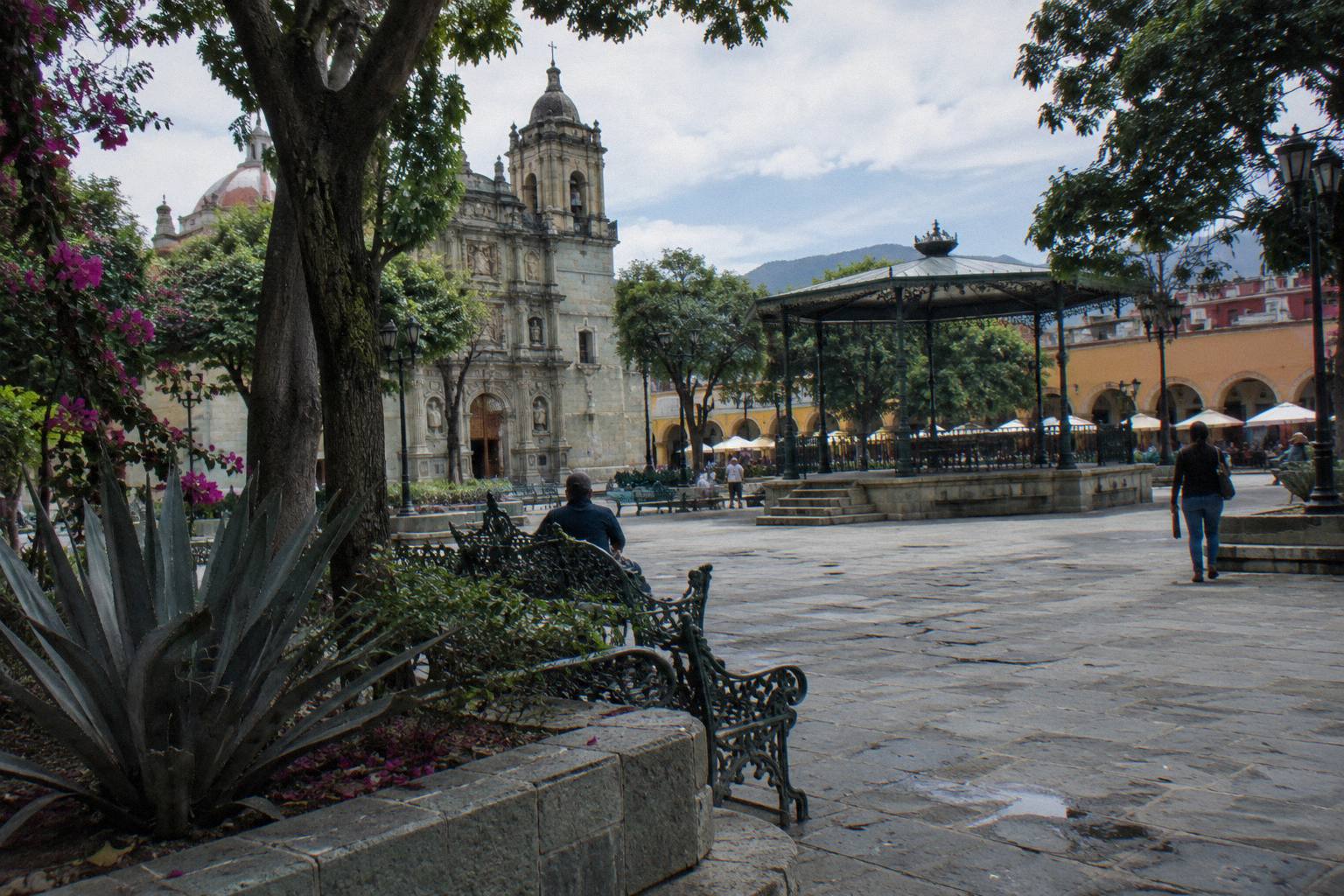
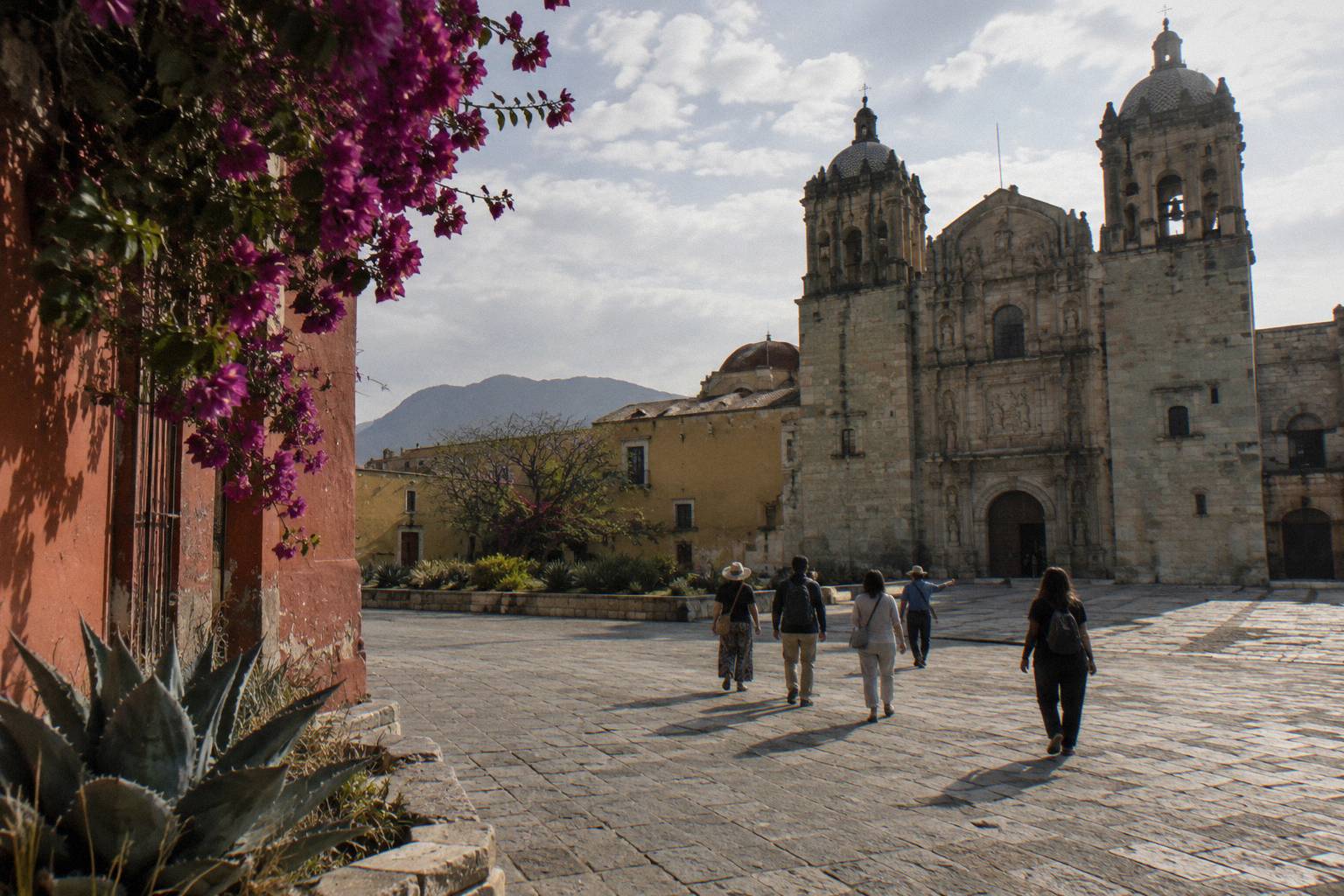
The festival does not stop at the auditorium gate. During the festival period the historic center fills with parades and free public events in the squares, and the ordinary free fabric of the city, the Zócalo and Alameda de León, the pedestrian Andador Macedonio Alcalá, the churches you can walk into, stays exactly as free as it is the rest of the year. One thing to know at Santo Domingo: entering the Templo de Santo Domingo de Guzmán is free, while the Museo de las Culturas de Oaxaca in the ex-convent beside it is ticketed, at 210 MXN for foreign adults and 105 MXN for Mexican nationals. A festival never changes that split.
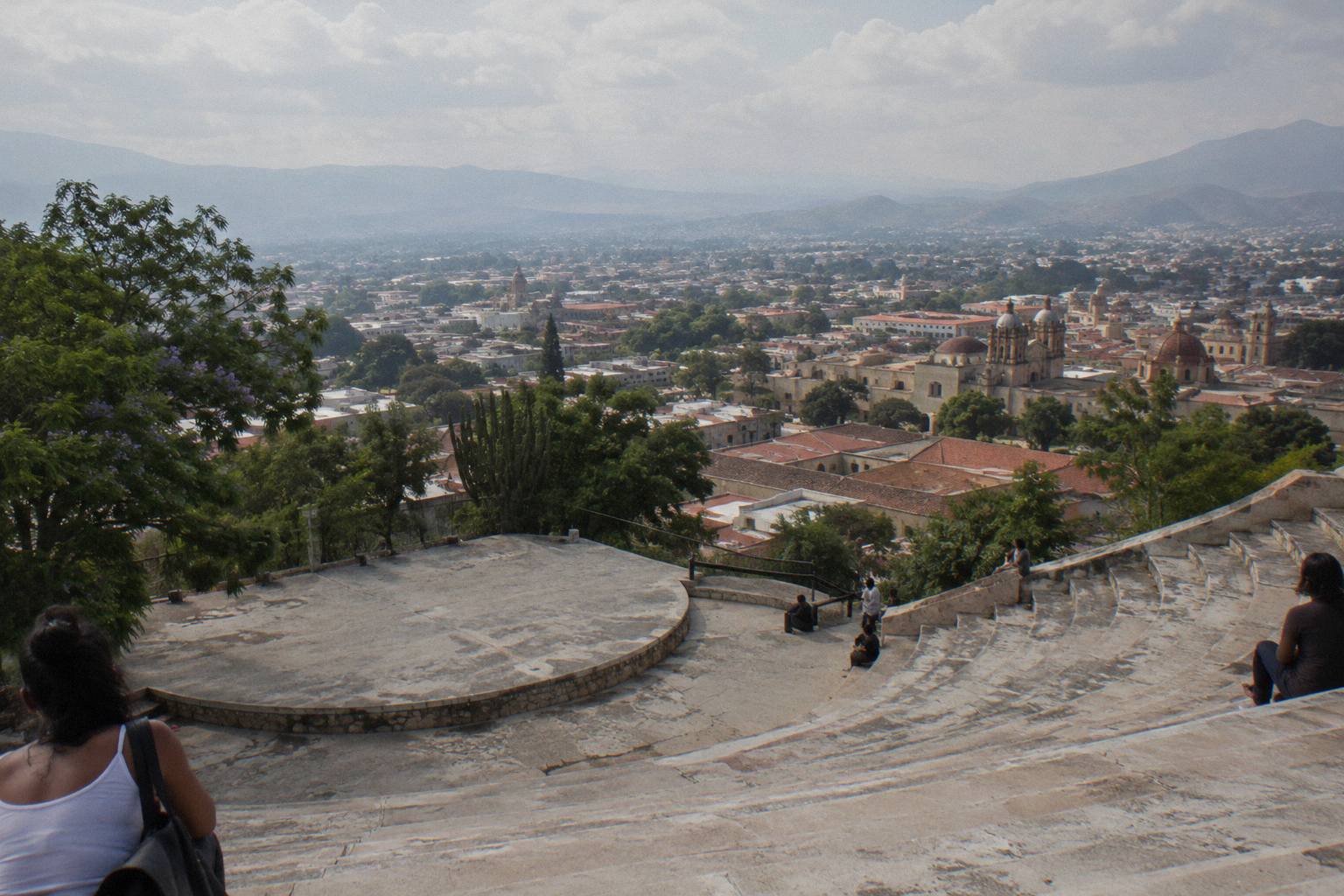
For a visitor who wants both the festival and the city, the free walking tours are the natural bridge. All of the city's walks are free, pay what you want, reserved on GuruWalk, and they cover the same streets the festival crowd fills: the historic center and Santo Domingo, the Jalatlaco neighborhood with its murals, and Xochimilco with the markets. Three of the walks that give the fullest grounding in the center are collected below.
Each of those three is a real GuruWalk listing run by an independent local guide, and each states its own meeting point, duration and language on its own page. Around Oaxaca city, the operator of the Xochimilco Start, Through Time walk, is rated 4.99 out of 5 across 496 GuruWalk reviews and meets at Plaza de la Cruz de Piedra in Xochimilco, in English and Spanish. The Professional Guide By Free Tour Europe walk, rated 4.9 out of 5 across 271 GuruWalk reviews, meets at Jardín El Pañuelito and runs 2 hours in English and Spanish. The Essential History And Art Walk, by the operator Estación, is rated 4.63 out of 5 across 190 GuruWalk reviews and meets at Museo de los Pintores Oaxaqueños.
What Should A Visitor Know Before Going?
Three facts matter: the dates follow the pattern of the last two Mondays of July, the free seating in sections C and D is first come and unreserved with no guaranteed place, and tickets for sections A and B are sold only through the official online channel. Cerro del Fortín is a free public park, and the ticketed parts of the festival sit only in the auditorium's lower sections.
The first planning fact is the date pattern. The festival usually falls on the last two Mondays of July, and the surrounding days carry their own program of parades and public events in the center. Because the pattern is a pattern and not a fixed date, a visitor should confirm the year's schedule through official state announcements before booking travel around it. The walk's own GuruWalk page shows any schedule it keeps.
The second planning fact is the seating split, and it is worth stating cleanly because it is the single most misunderstood part of the festival. Sections C and D, the upper sections of the Auditorio Guelaguetza, are free, first come and unreserved: no ticket, no seat number, and no promise of a place for anyone who arrives after the rows fill. Sections A and B need a ticket sold through the official online channel. This site sells nothing, operates nothing and has no tickets; every walk listed here belongs to an independent local guide and every reservation happens on GuruWalk, which has nothing to do with festival seating at all.
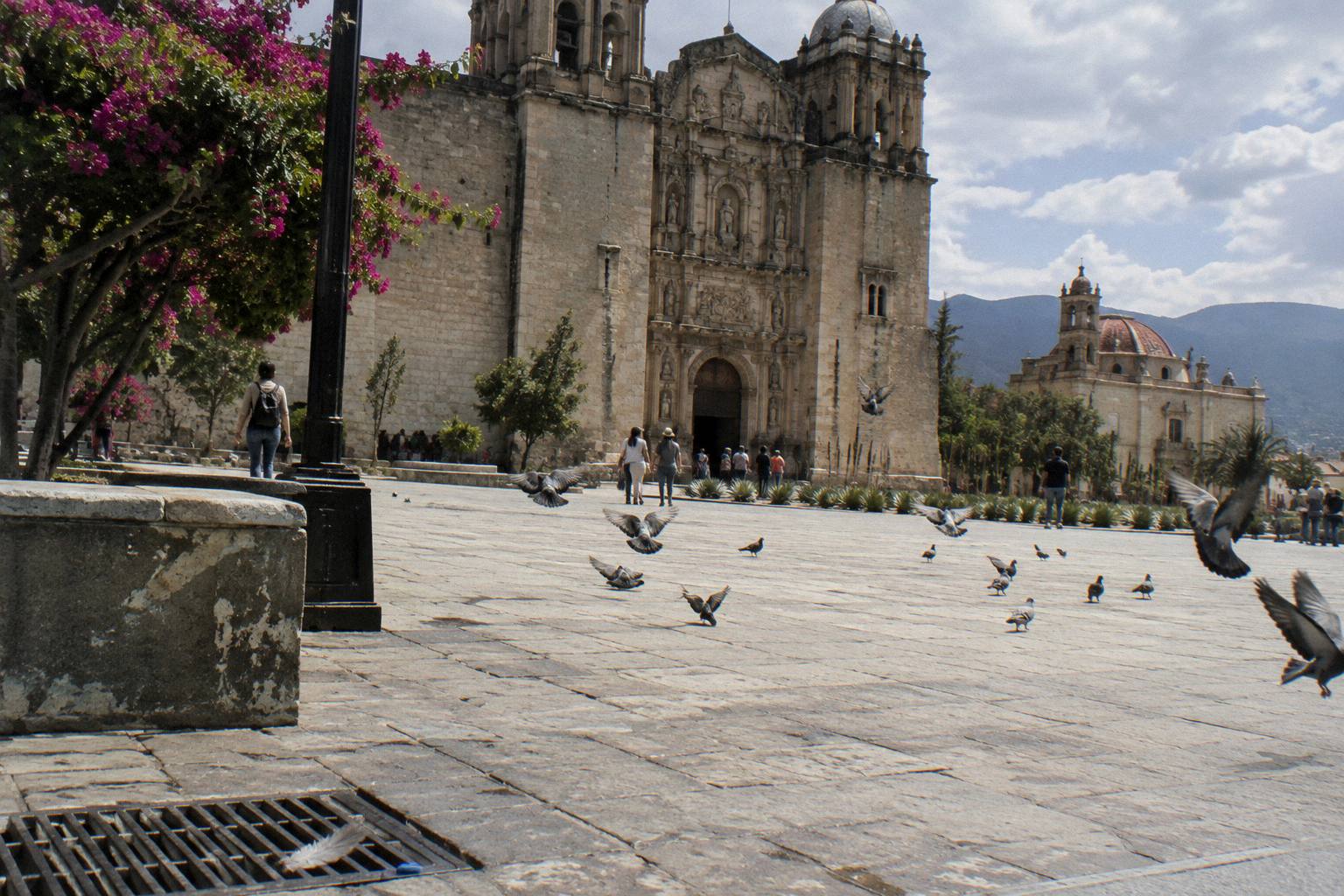
The third planning fact is that the hill is free even when the auditorium is full. Cerro del Fortín is a public hill park, open to the public with no ticket, and many festival visitors spend the day on the hill and the surrounding streets rather than inside the auditorium. Below, the free geometry of the city continues through the festival: the Zócalo and Alameda de León, the Andador Macedonio Alcalá, the Catedral and the Basílica de la Soledad as public churches with no entry fee reported, and the Templo de Santo Domingo de Guzmán, free to enter as a public church.
| Festival And City Element | Free Or Paid | The Condition In One Line |
|---|---|---|
| Auditorium sections C and D | Free | First come, unreserved, no guaranteed seat |
| Auditorium sections A and B | Paid | Ticketed, sold only through the official online channel |
| Cerro del Fortín | Free | Public hill park, no ticket |
| Zócalo and Alameda de León | Free | Public squares, no ticket |
| Andador Macedonio Alcalá | Free | Pedestrian street, no ticket |
| Templo de Santo Domingo de Guzmán | Free | Public church; the ex-convent museum beside it is separate |
| Museo de las Culturas de Oaxaca | Paid | 210 MXN foreign adults, 105 MXN Mexican nationals, ticketed INAH museum |
| Free walking tours | Free | Pay what you want, reserved on GuruWalk |
One row of that table deserves its own paragraph, because it is the mistake most often made on festival days. Entering the Templo de Santo Domingo de Guzmán is free; the Museo de las Culturas de Oaxaca, housed in the ex-convent beside the church, is a separate, ticketed INAH museum. The church's free status never transfers to the museum, and the museum's ticket never transfers to the church. A festival crowd streaming past both doors makes the distinction easy to miss, so it is worth fixing before you arrive. INAH sites also run a Sunday free-entry rule that applies to Mexican nationals and residents of Mexico with ID only, not to visitors from abroad, so no foreign visitor should plan a free Sunday museum visit around it.
The festival also does not change the free walking tours. Every one of the city's 10 free walking tours is free, pay what you want, on GuruWalk, with its own meeting point, duration and languages stated on its own page. A festival week can mean more people in the center, but the walks themselves operate on the same reservation basis as any other week, and nothing about the festival adds a charge to them.
How Does A Free Walking Tour Fit In?
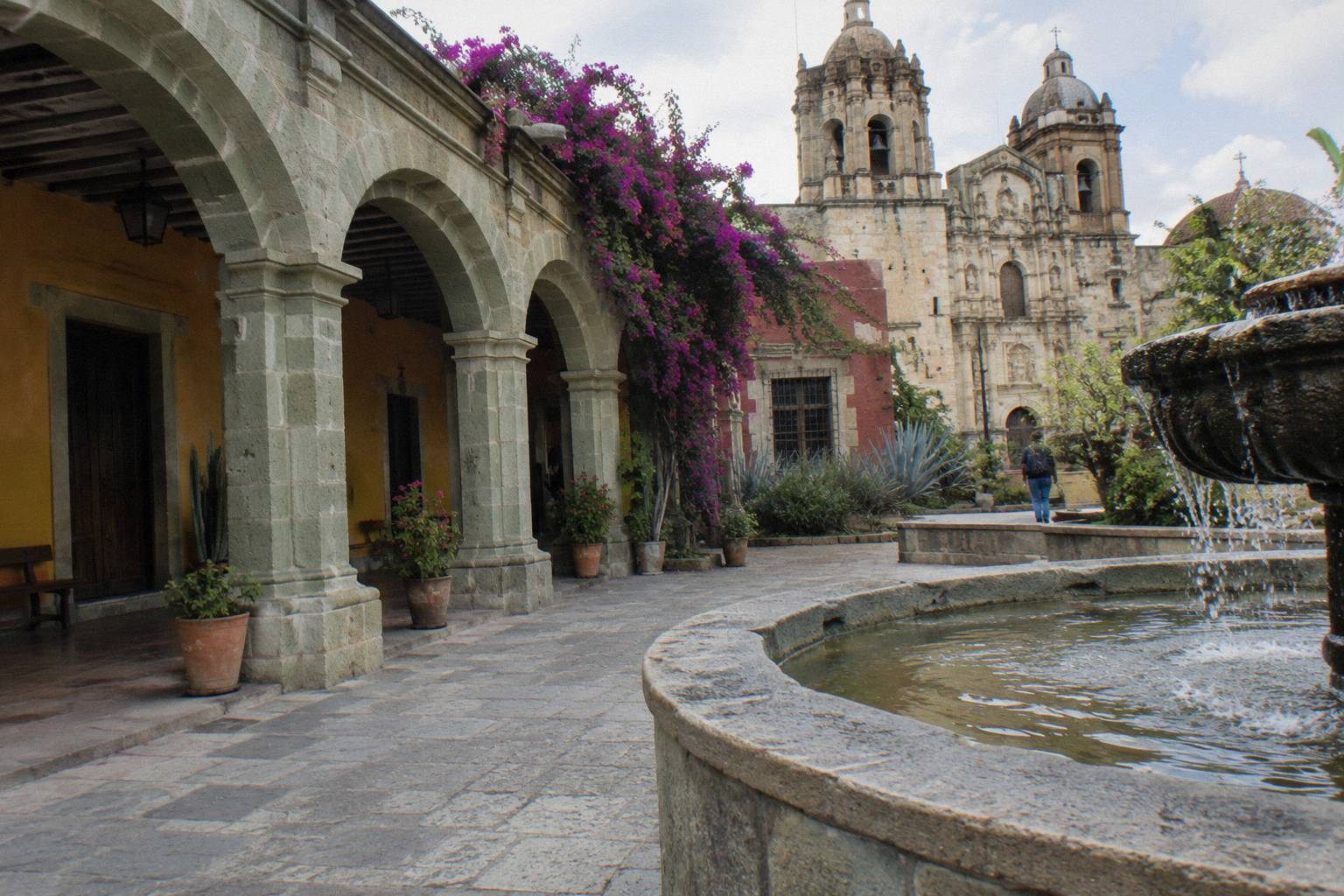
A free walking tour fits festival week as the grounding layer: the walks cover the historic center, Jalatlaco and Xochimilco, the very neighborhoods the festival fills, and they cost nothing beyond what you decide to pay. Reserve a walk on GuruWalk for the days around the festival, use it to learn the streets, and spend the festival Monday itself on the hill. The walks include no festival seating, no transport and no museum tickets.
In practice, the festival has two layers. The festival layer is the auditorium, the parades and the squares on the hill, and its free parts are the C and D sections, the hill park and the public events below. The city layer is everything that is free in Oaxaca on any ordinary day, and that is where the walking tours live. A walk such as the Kactus Introduction Walk, rated 4.72 out of 5 across 64 GuruWalk reviews, meets at ARIPO, next to the fountain, runs 2 hours 30 minutes in English and Spanish, and covers the Centro Histórico And Santo Domingo ground that fills with festival crowds. Meeting the neighborhood before the crowds arrive is a genuinely practical use of a free morning.
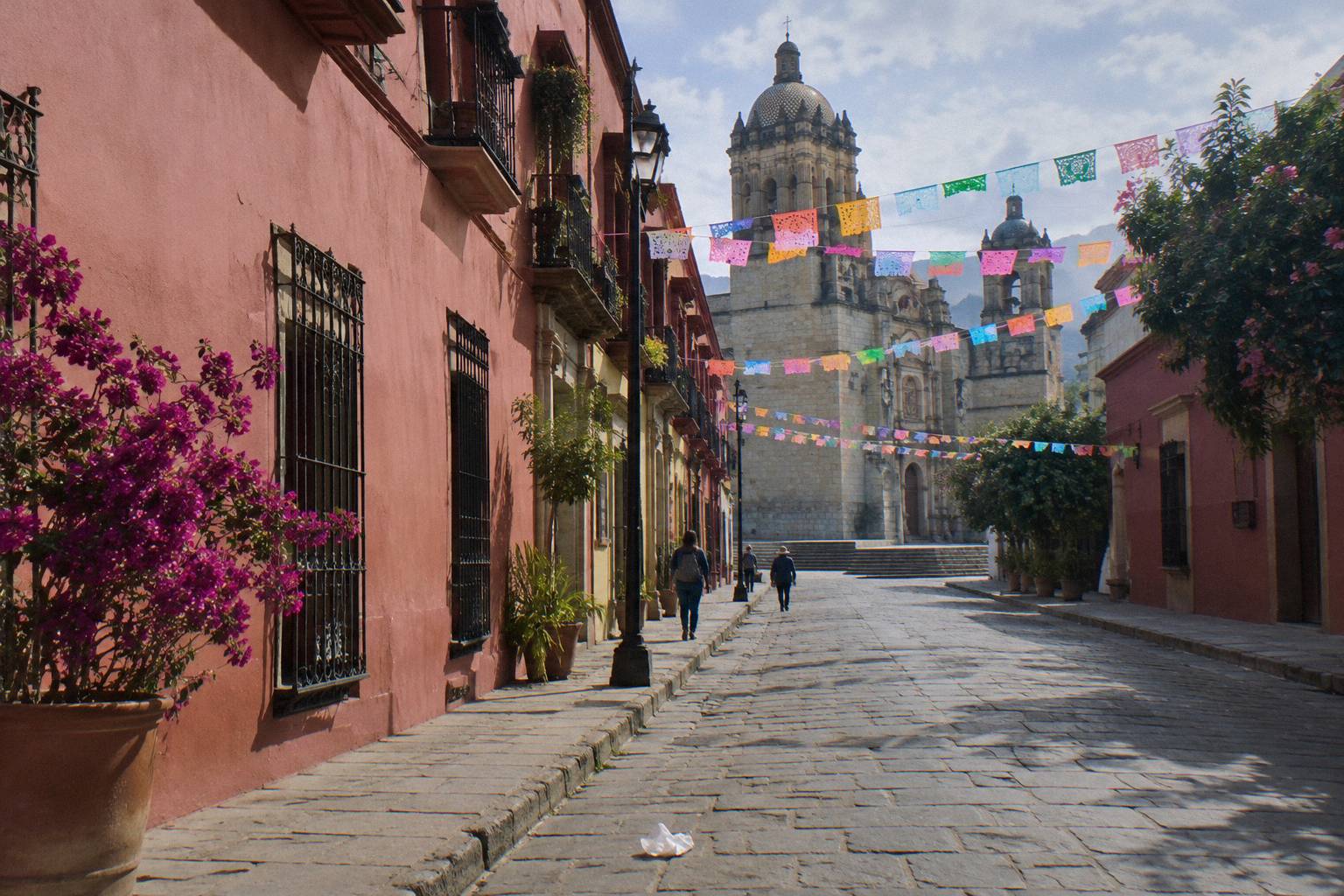
The same logic holds in the other two festival-ground neighborhoods. In Jalatlaco, the Street Art Of Jalatlaco walk, rated 4.91 out of 5 across 636 GuruWalk reviews, meets at Cosijoeza 110A in the Centro and runs 2 hours in English, covering the Jalatlaco And The Street Murals category the festival's street life spills into. In Xochimilco, the Markets, History And Art Walk, rated 5 out of 5 across 28 GuruWalk reviews, meets at Café Kapel Nana and Eden MiniGalería for a 2 hour walk in English and Spanish. Each is a real listing run by an independent local guide, reserved on its GuruWalk page, free and pay what you want.
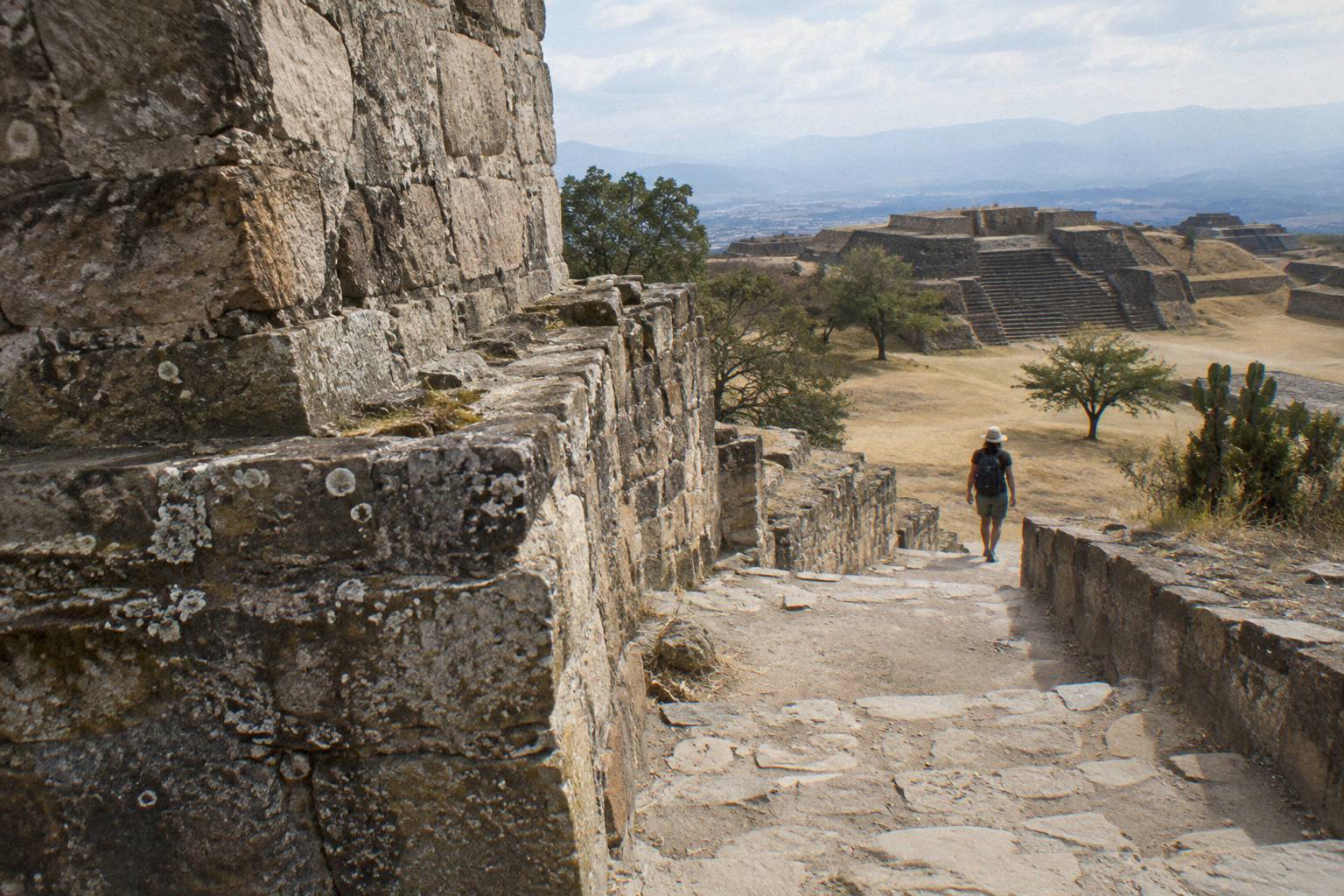
This site is a directory of genuinely free things to do in Oaxaca, published at Free Things To Do In Oaxaca, and the walking tours are its backbone. During the festival, they do something the auditorium cannot: they explain the city the festival celebrates. A walk through the Centro Histórico And Santo Domingo category, ending near the free church and the ticketed ex-convent museum, gives a visitor the vocabulary for what the dance delegations represent. None of the walks is a festival event, none includes festival entry, and every walk states its own meeting point, duration and language on its own page. For more on how the pay what you want model actually works, see how free walking tours and tipping work in Oaxaca.
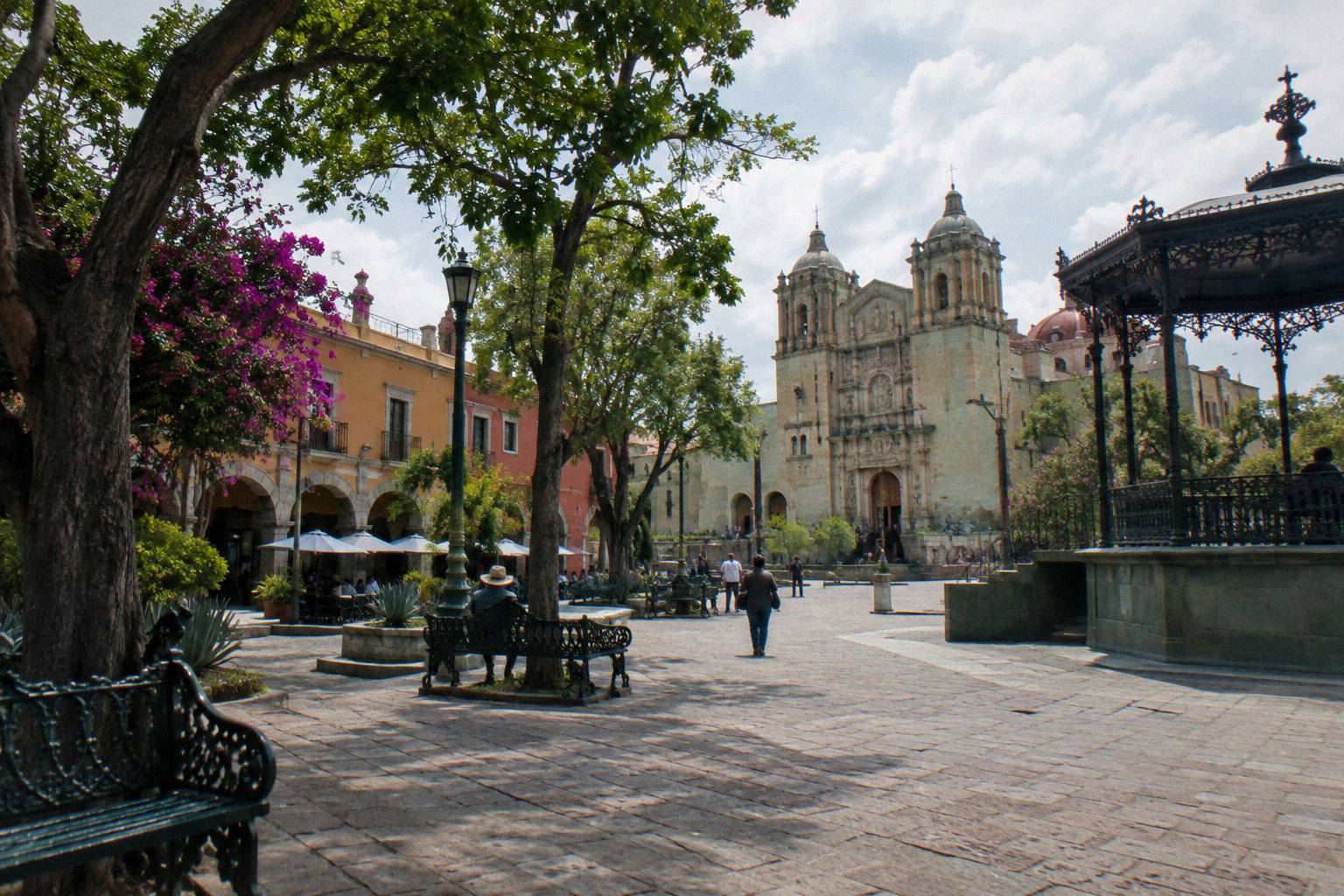
The Kactus Introduction, the walk named above as this article's featured tour, is the one to reserve if you want a single grounding walk before the festival week begins. It is free, pay what you want, it meets at ARIPO next to the fountain, and its own GuruWalk page carries its current schedule and reservation slot. It does not, and no walk does, include auditorium seating or anything inside the ticketed sections.
One more layer is worth naming plainly. The festival's biggest paid contrast is not a walking tour at all but the INAH sites: Monte Albán, Mitla and Yagul all sit outside the city, all are ticketed, and none is a walk from the Zócalo. The Museo de las Culturas de Oaxaca beside Santo Domingo, at 210 MXN for foreign adults and 105 MXN for Mexican nationals, is the only ticketed museum this article states a price for, and it is stated once, here, because a festival visitor standing at Santo Domingo's door will otherwise conflate the free church with the paid museum beside it.
Where Do Free Walking Tours Meet Nearby?
Free walking tours gather at set central spots: the Centro walks start at Cosijoeza 110A, Jardín El Pañuelito, Museo de los Pintores Oaxaqueños, Teatro Macedonio Alcalá, or ARIPO beside the fountain, while Xochimilco tours meet at Plaza de la Cruz de Piedra. The markets walk begins at Café Kapel Nana or Eden MiniGalería, and one Jalatlaco route sets off from Iglesia de San Matías Jalatlaco. Each meeting point appears on the tour's own GuruWalk page.
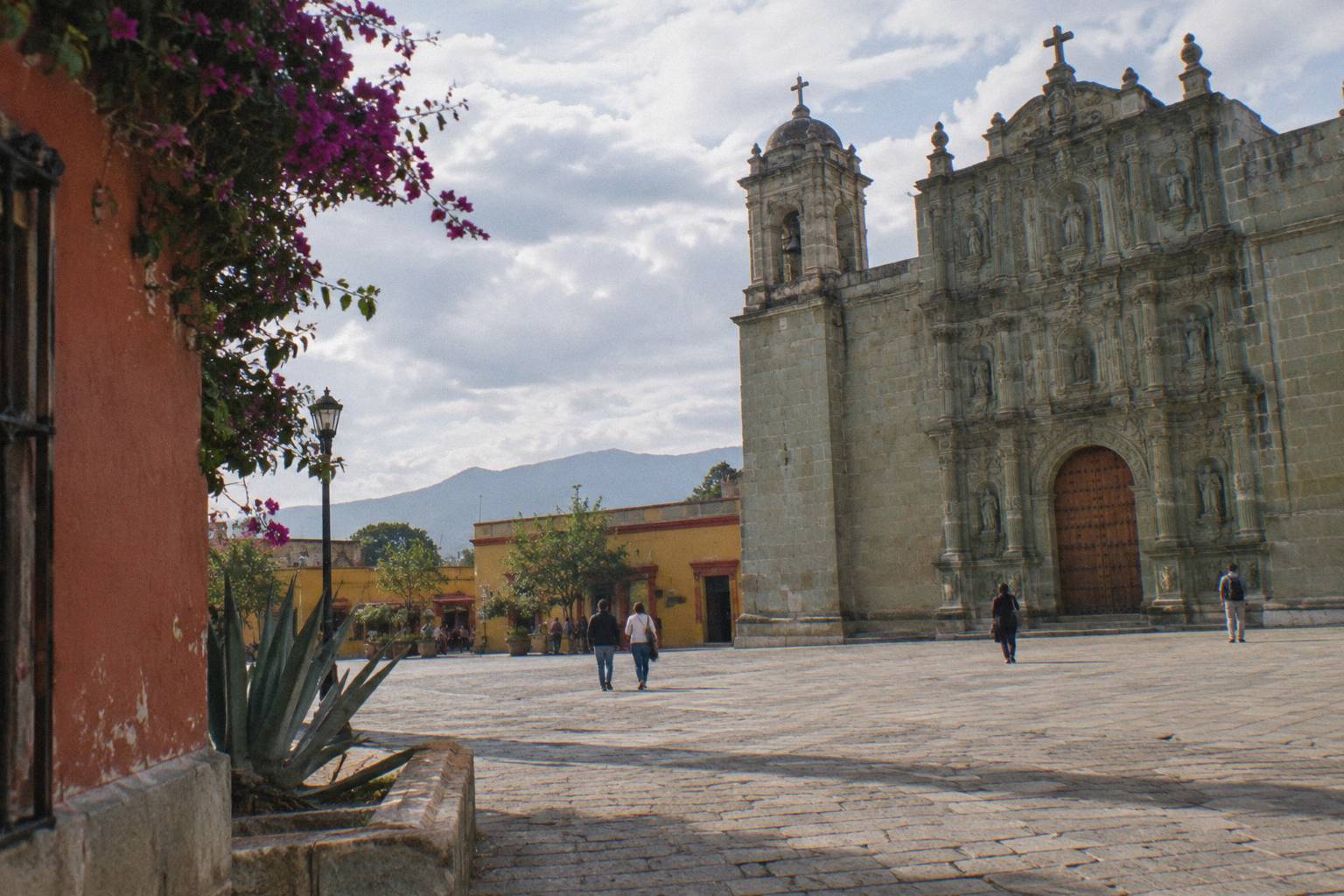
Those meeting points matter during the festival because the center fills. The Centro And Santo Domingo Route walk, the most reviewed free walk in the city, is rated 4.63 out of 5 across 1,165 GuruWalk reviews, meets at Cosijoeza 110A in the Centro, and runs 2 hours in English and Spanish through the Centro Histórico And Santo Domingo category. The Street Art Of Jalatlaco walk shares that same Cosijoeza 110A meeting point, in English only, for its 2 hour walk. Knowing the exact door before the streets fill is the practical value of the meeting point column, and every walk prints it on its own page.
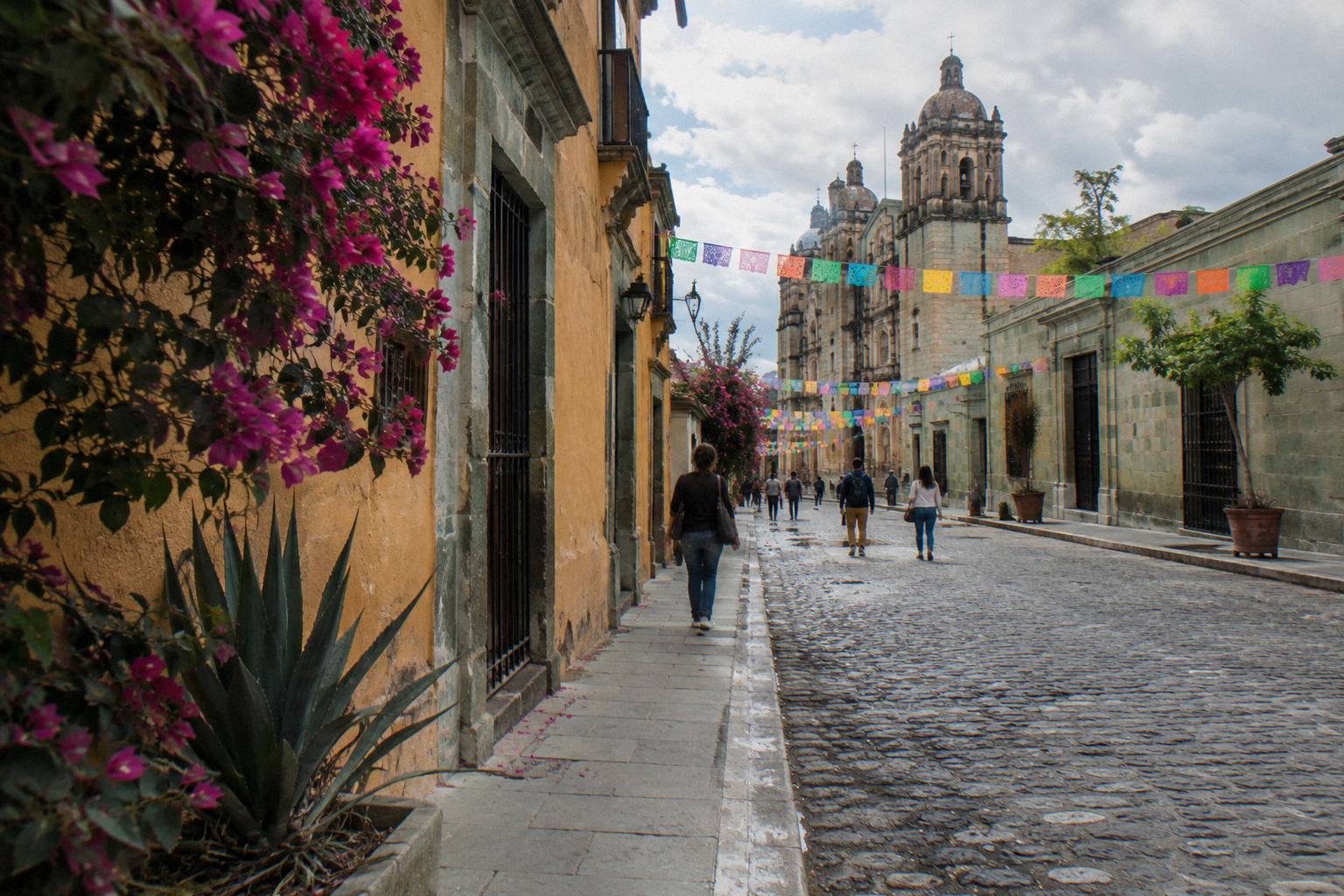
The other center walks spread the load across the neighborhood. The Professional Guide By Free Tour Europe walk meets at Jardín El Pañuelito, the Essential History And Art Walk meets at Museo de los Pintores Oaxaqueños, and the Local Secrets From Macedonio Alcalá walk, rated 4.59 out of 5 across 99 GuruWalk reviews, meets at Teatro Macedonio Alcalá for an English-only walk. In Xochimilco, the Xochimilco Start, Through Time walk meets at Plaza de la Cruz de Piedra, the Aztec Roots And Chocolate walk meets at the same plaza, and the Markets, History And Art Walk meets at Café Kapel Nana and Eden MiniGalería. The Jalatlaco Murals And Art Workshops walk meets at Iglesia de San Matías Jalatlaco, in the neighborhood itself.
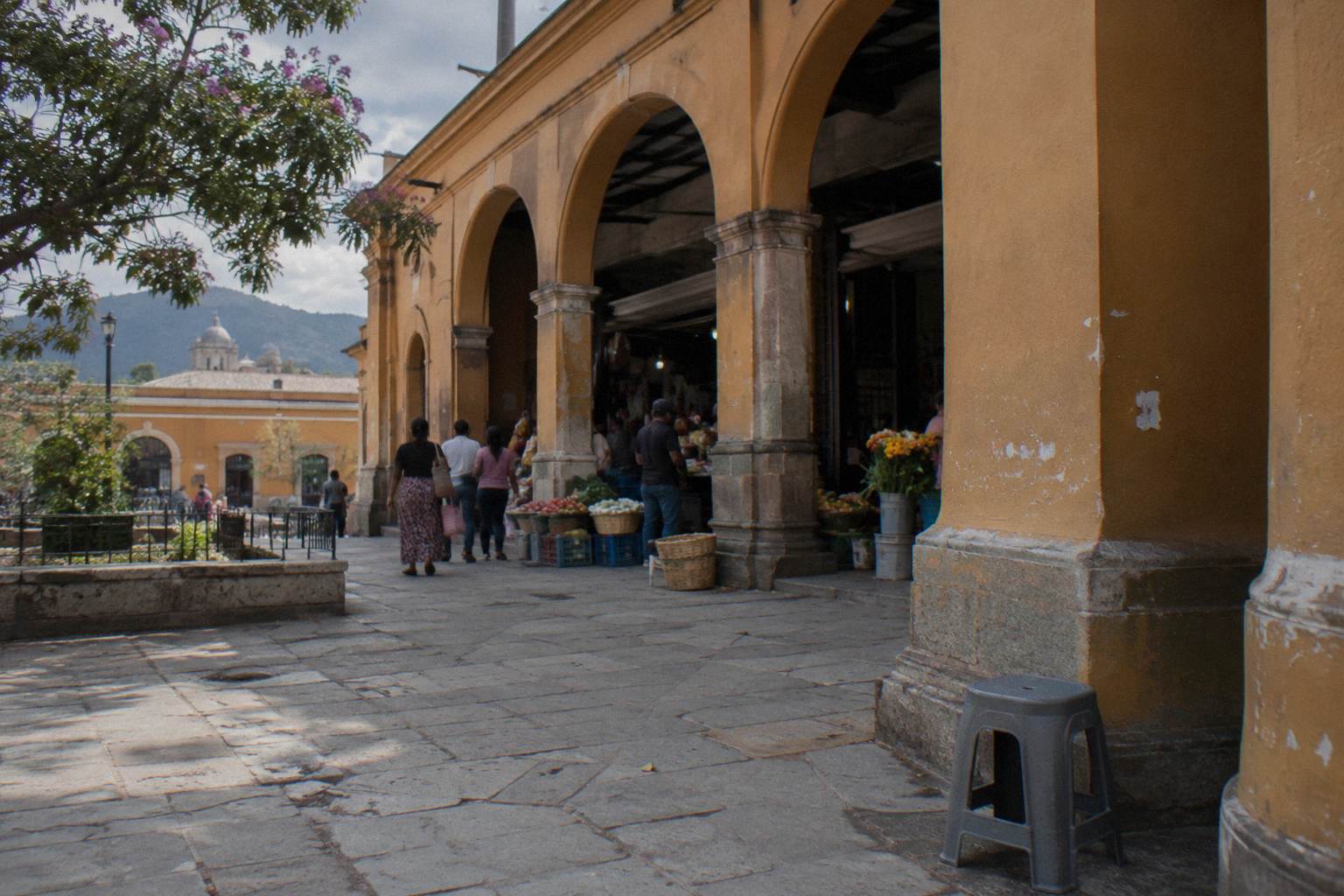
| Walk | Meets At | Neighborhood Category | Duration | Languages |
|---|---|---|---|---|
| Centro And Santo Domingo Route | Cosijoeza 110A, Centro | Centro Histórico And Santo Domingo | 2 hours | English and Spanish |
| Street Art Of Jalatlaco | Cosijoeza 110A, Centro | Jalatlaco And The Street Murals | 2 hours | English |
| Xochimilco Start, Through Time | Plaza de la Cruz de Piedra, Xochimilco | Centro Histórico And Santo Domingo | 2 hours 30 minutes | English and Spanish |
| Professional Guide By Free Tour Europe | Jardín El Pañuelito | Centro Histórico And Santo Domingo | 2 hours | English and Spanish |
| Essential History And Art Walk | Museo de los Pintores Oaxaqueños | Centro Histórico And Santo Domingo | 2 hours | English and Spanish |
| Local Secrets From Macedonio Alcalá | Teatro Macedonio Alcalá | Centro Histórico And Santo Domingo | 2 hours 30 minutes | English |
| Kactus Introduction Walk | ARIPO, next to the fountain | Centro Histórico And Santo Domingo | 2 hours 30 minutes | English and Spanish |
| Markets, History And Art Walk | Café Kapel Nana and Eden MiniGalería | Xochimilco And The Markets | 2 hours | English and Spanish |
| Jalatlaco Murals And Art Workshops | Iglesia de San Matías Jalatlaco | Jalatlaco And The Street Murals | 2 hours | English and Spanish |
A festival visitor reading that table should notice one thing above all: none of the meeting points is on Cerro del Fortín. The walks are city walks, and the festival is a hill event with free squares below it. Combining the two is a matter of timing, a morning walk from one of these meeting points, an afternoon on the hill for the free C and D sections or the free hill park, and the free squares of the Zócalo and Alameda de León in between. If you are weighing the festival week against other times of year, the month by month guide to walking tour weather in Oaxaca covers the rest of the calendar.
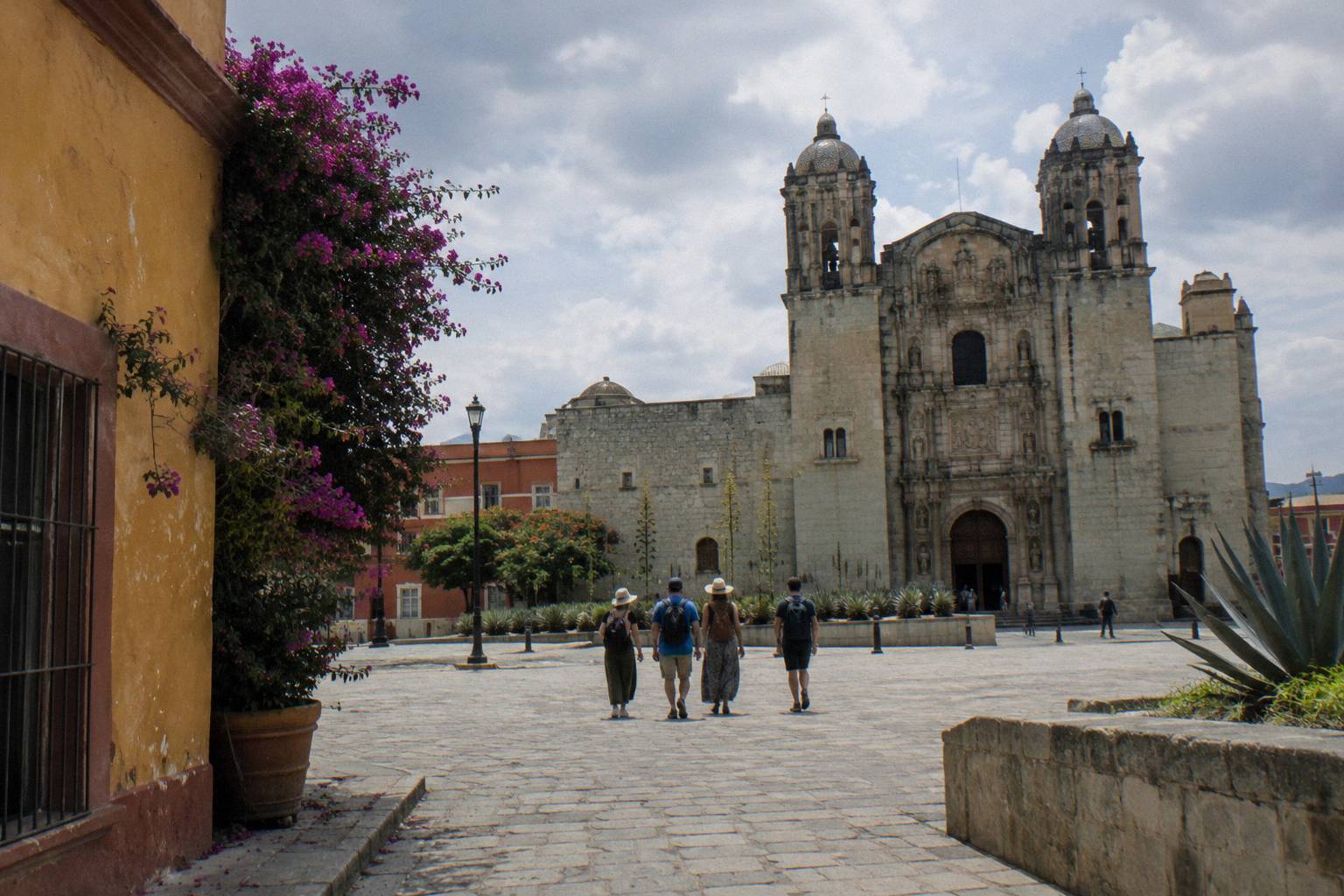
The Centro And Santo Domingo Route walk is the one most festival visitors will want as their anchor: the largest review pool of any free walk in the city, a central meeting point at Cosijoeza 110A, and both English and Spanish. Reserve it on its GuruWalk page like every other walk here, pay what you want, and treat it as the free first half of a festival day whose second half is the free hill.
Mistakes That Trip People Up At The Guelaguetza
The four mistakes that cost visitors money or time are assuming the whole auditorium is free, assuming Sunday INAH free entry applies to foreign visitors, treating the free Santo Domingo church as covering the ticketed ex-convent museum, and expecting a free walking tour to include festival seating. Sections C and D are free and A and B are not, the Sunday rule covers Mexican nationals and residents with ID only, and no walk sells anything on the hill.
The first mistake is the seating one. A visitor who hears "the Guelaguetza is free" and arrives mid-morning expecting a seat in any section will meet the reality of sections C and D: free, first come, unreserved. That is a real free offer with a real condition, and the condition is the whole sentence. Sections A and B are ticketed and sold only through the official online channel, and no walking tour, no hotel desk and no website like this one is a side door to them.
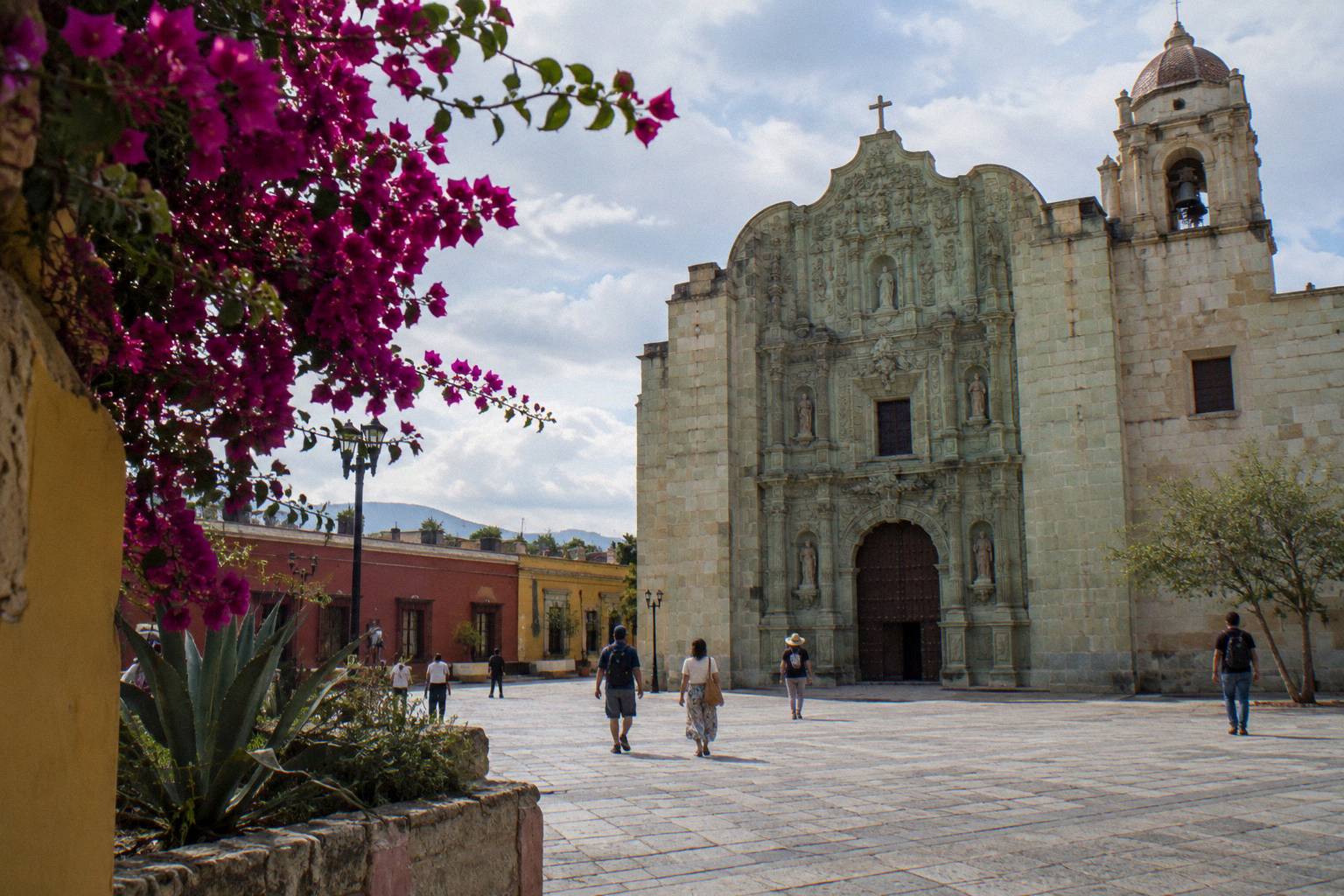
The second mistake is carrying the INAH Sunday rule across the border of who it covers. INAH sites in Oaxaca, including the Museo de las Culturas de Oaxaca beside Santo Domingo, open free on Sundays to Mexican nationals and residents of Mexico with ID. Visitors from abroad pay the posted prices at the museum, 210 MXN for foreign adults, and the same principle holds at the INAH archaeological zones outside the city. A festival-week Sunday is still a Sunday, and the rule still does not transfer.
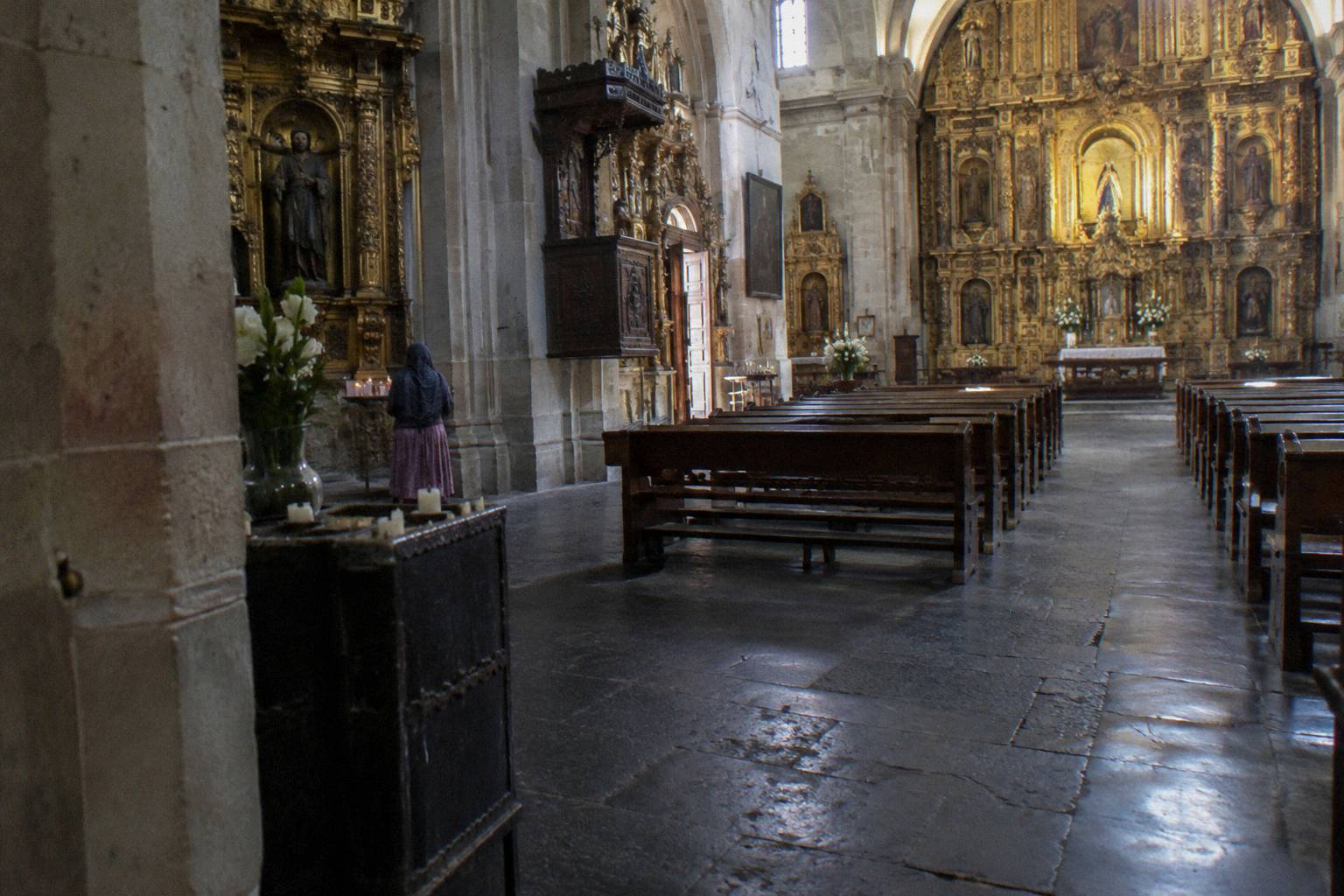
The third mistake is the Santo Domingo door confusion at its worst during festival crowds. Entering the Templo de Santo Domingo de Guzmán is free, and the church is a public church. The Museo de las Culturas de Oaxaca in the ex-convent beside it is a separate, ticketed INAH museum. The Jardín Etnobotánico behind it is conditional: guided visit only, no self-guided entry, and free per the state government's own page. Three doors, three rules, one hillside of festival visitors streaming past all of them.
The fourth mistake is expecting a walking tour to be a festival product. The 10 free walking tours in Oaxaca are city walks, free, pay what you want, reserved on GuruWalk, run by independent local guides. They explain the streets, the neighborhoods and the categories the festival celebrates, and they include nothing on Cerro del Fortín. That is not a limitation; it is what makes them free. For the wider free-versus-paid picture across the city's museums and squares, the free versus paid walking tours comparison covers the choice in depth.
Beyond those four, the general rule for festival week is the same as for any week in Oaxaca: the free things are free, the paid things are paid, and nothing on a festival program upgrades one into the other. The hill park, the squares, the pedestrian street, the churches and the walking tours are the free side. The auditorium's lower sections, the ex-convent museum and the archaeological zones outside the city are the paid side, and each keeps its own price and its own conditions all year.
For anyone now planning the full festival-plus-city combination, three more of the free walks cover ground this article has only touched: the Local Secrets walk from Teatro Macedonio Alcalá, the markets walk from Café Kapel Nana, and the Jalatlaco street art walk from Cosijoeza 110A.
Common Questions About The Biggest Festival In Oaxaca
What Is The Biggest Festival In Oaxaca?
The Guelaguetza, usually held on the last two Mondays of July in the Auditorio Guelaguetza on Cerro del Fortín. Sections C and D of the auditorium are free, first come and unreserved, sections A and B are ticketed through the official online channel, and the hill park itself is free and open to the public.
Is The Guelaguetza Free To Attend?
Partly. Sections C and D, the upper sections of the Auditorio Guelaguetza, are free, first come and unreserved, with no guaranteed seat. Sections A and B need a ticket sold only through the official online channel. Cerro del Fortín, the hill park around the auditorium, is free throughout.
When Is The Guelaguetza Held?
The festival usually falls on the last two Mondays of July, with surrounding parades and free public events in the center. Because the dates follow a pattern rather than a fixed calendar day, confirm the year's official program before planning travel around it.
Do Free Walking Tours Run During The Guelaguetza?
The 10 free walking tours in Oaxaca are city walks reserved on GuruWalk, free and pay what you want, and their meeting points, durations and languages are stated on each walk's own page. None of them includes festival seating, and none is a festival event.
Is The Museo De Las Culturas De Oaxaca Free During The Festival?
No. The Museo de las Culturas de Oaxaca, in the ex-convent beside Santo Domingo, is a ticketed INAH museum: 210 MXN for foreign adults, 105 MXN for Mexican nationals. Entering the Templo de Santo Domingo de Guzmán itself is free, but the museum is a separate paid record.
What Is Free In Oaxaca During Festival Week?
The same things that are free the rest of the year: the Zócalo and Alameda de León, the Andador Macedonio Alcalá, Cerro del Fortín, the Templo de Santo Domingo de Guzmán as a public church, and every walking tour, pay what you want. The auditorium's free C and D sections are the festival's own free offer.