Mercado 20 De Noviembre: Walk The Smoke Alley On A Free Walking Tour
Mercado 20 de Noviembre is free to walk into, its smoke alley is the most photographed food passage in Oaxaca, and a free, pay what you want walking tour can put it in context.
In Short
Walking into Mercado 20 de Noviembre costs nothing; the food and goods inside are paid. The smoke alley, the grilled meat passage off the main hall, is part of the market and free to walk through. Free, pay what you want walking tours cover the markets category, and one, the Markets, History And Art Walk, rated 5 out of 5 across 28 GuruWalk reviews, meets at Café Kapel Nana and Eden MiniGalería nearby.
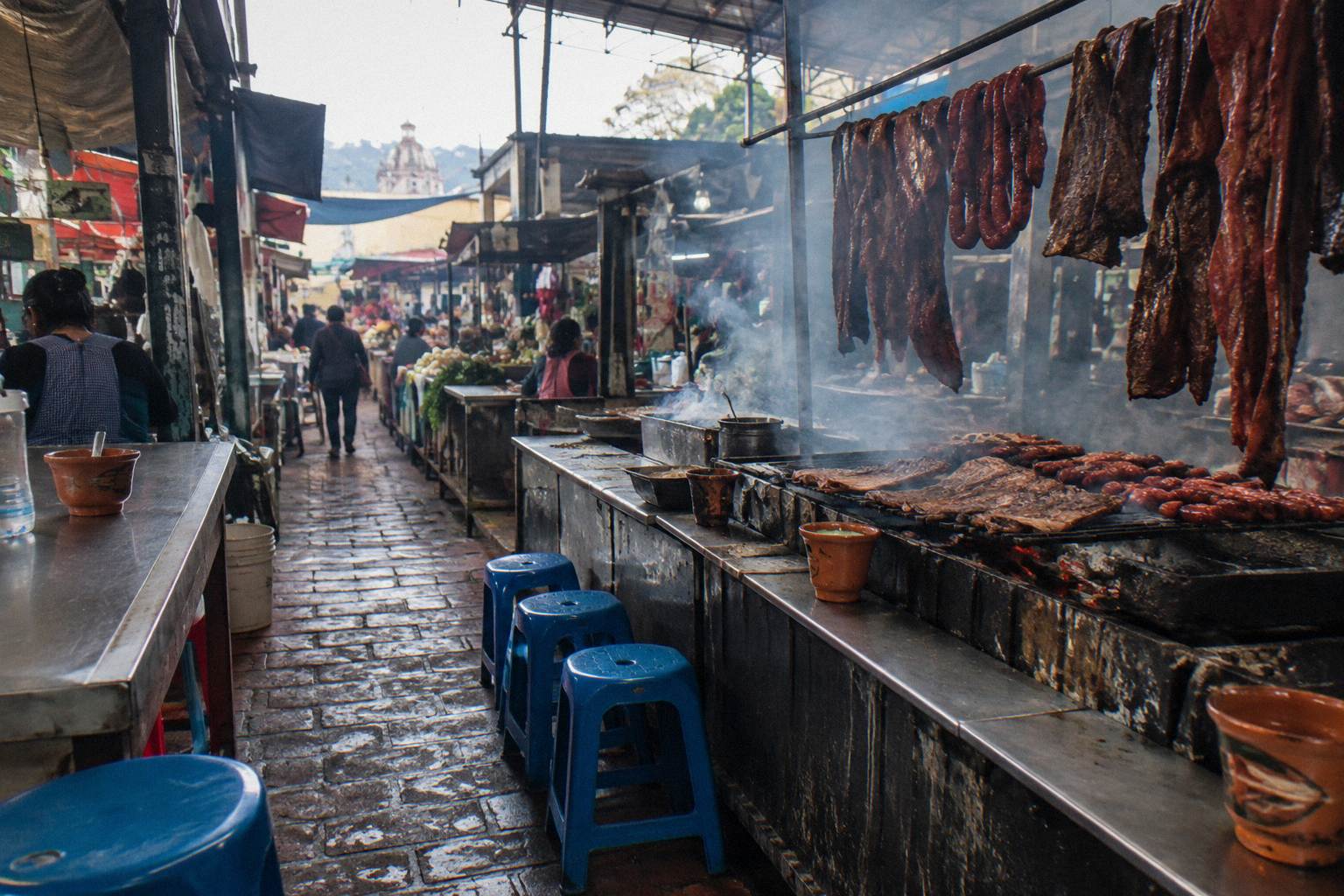
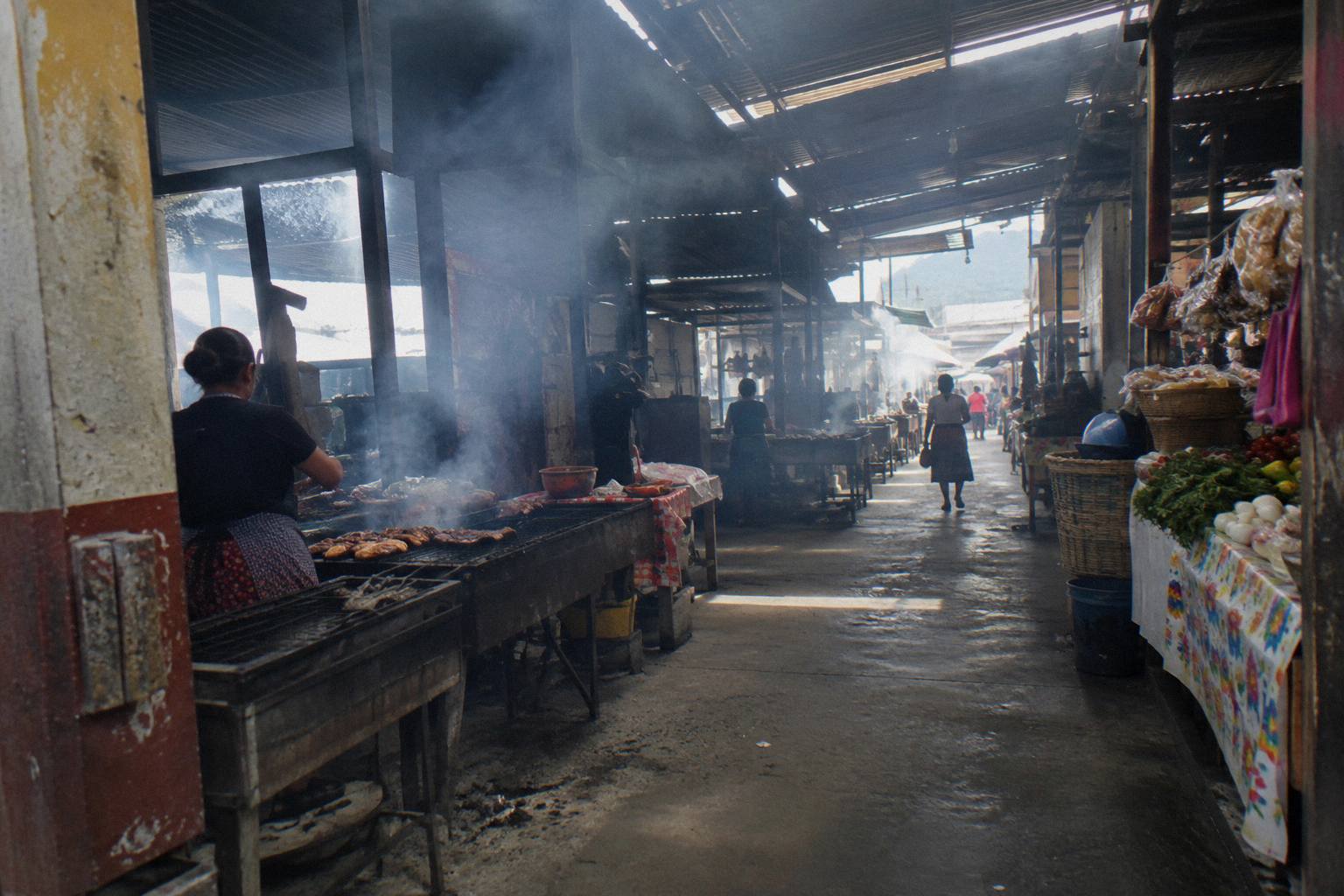
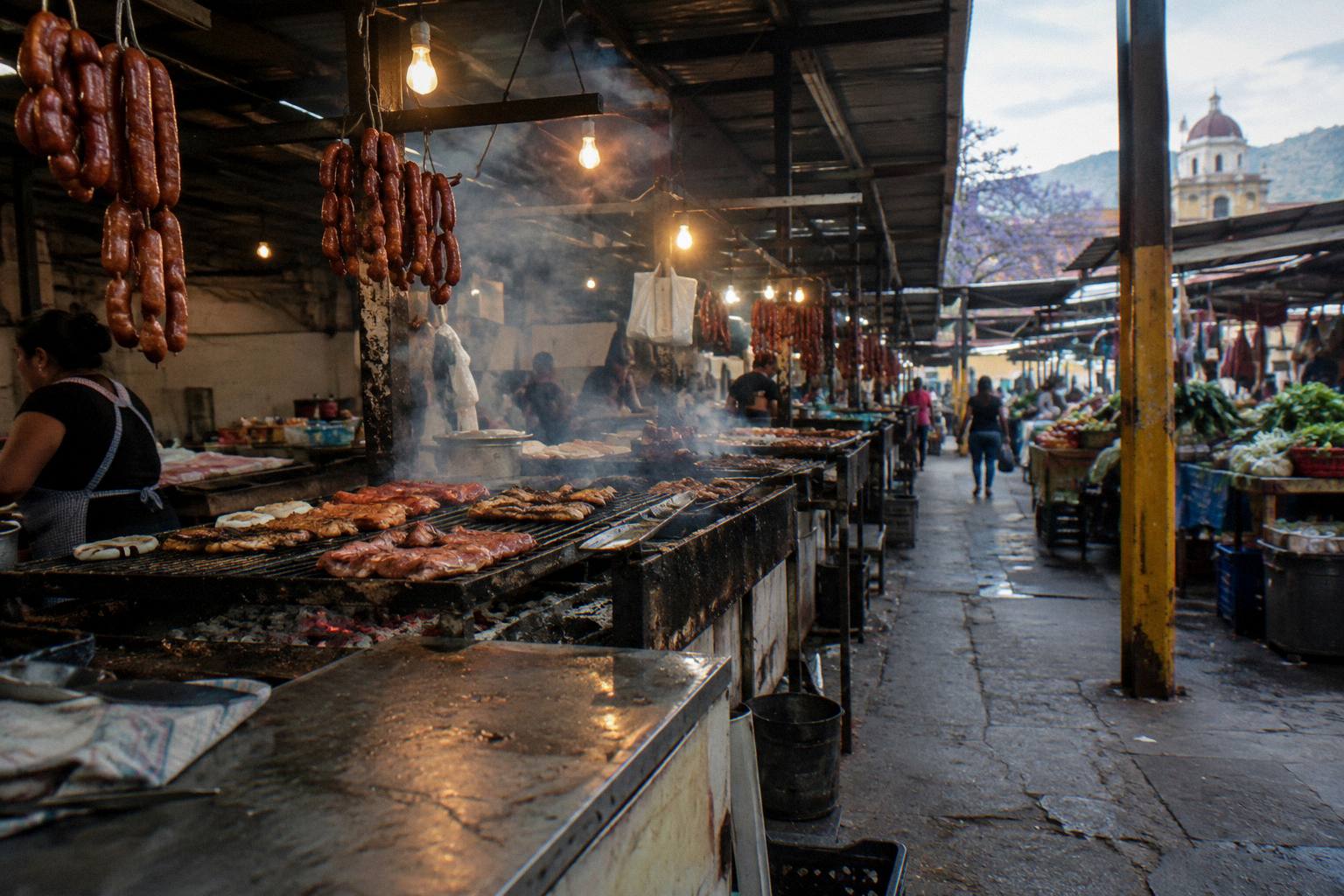
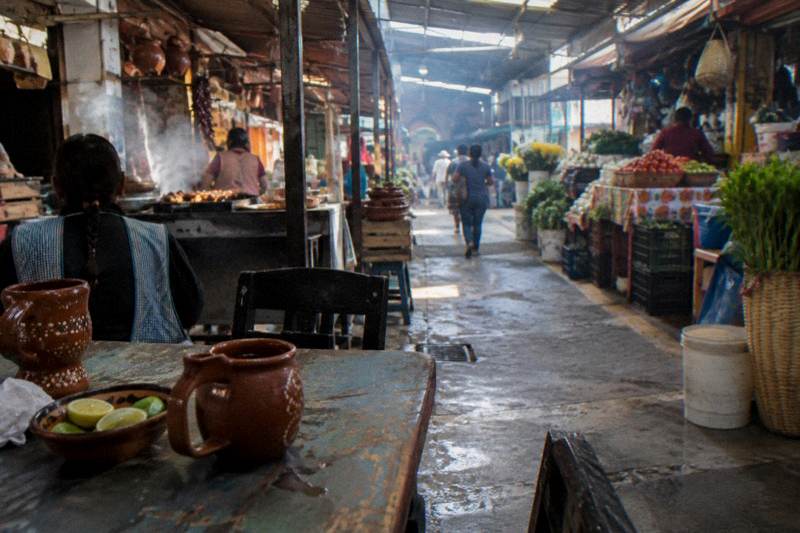
The grilled meat passage inside the market, free to walk through
What does Hierve el Agua cost?
70 MXN in total, a 20 MXN road toll plus 50 MXN park access, charged by two communities
What does the Árbol del Tule churchyard charge?
About 20 MXN per person to get close to the tree
Which free walks cover the markets?
The Markets, History And Art Walk and the Aztec Roots And Chocolate walk, both free, pay what you want
Is Mercado Benito Juárez free too?
Walking in is free; food and goods are paid
Is Mercado de Abastos free to enter?
Walking in is free; goods are paid, and it is busiest on Saturday
The smoke alley inside Mercado 20 de Noviembre is a covered passage of grills, and it works as a name as much as a description: smoke from tasajo, cecina and chorizo drifting under a low roof, with the Zócalo a few steps away. Walking into the market costs nothing. Eating in it does not. That split, free to walk, paid to eat, is the one fact that organises everything in this guide, because the market sits inside a city where a surprising amount of the good stuff, the squares, the pedestrian street, the churches, is genuinely free to walk through, and the paid parts are specific and easy to name in advance.
“We were the only 2 persons for the tour of 9AM, but Abel was still open to give the tour. During the tour we learned a lot about the beautiful traditions and culture of Oaxaca, such as Guelaguetza. Great recommendation!”
This guide walks the market itself: how to find your way without getting lost, what is free and what costs money, when to go, and where the free, pay what you want walking tours meet nearby. The walks named here are real listings on GuruWalk, each run by an independent local guide, and every one of them is free with a pay what you want model. This site sells nothing and operates nothing; it is a directory of free things to do in Oaxaca, and the walks are reserved on their own GuruWalk pages.
How Do You Walk The Market Without Getting Lost?
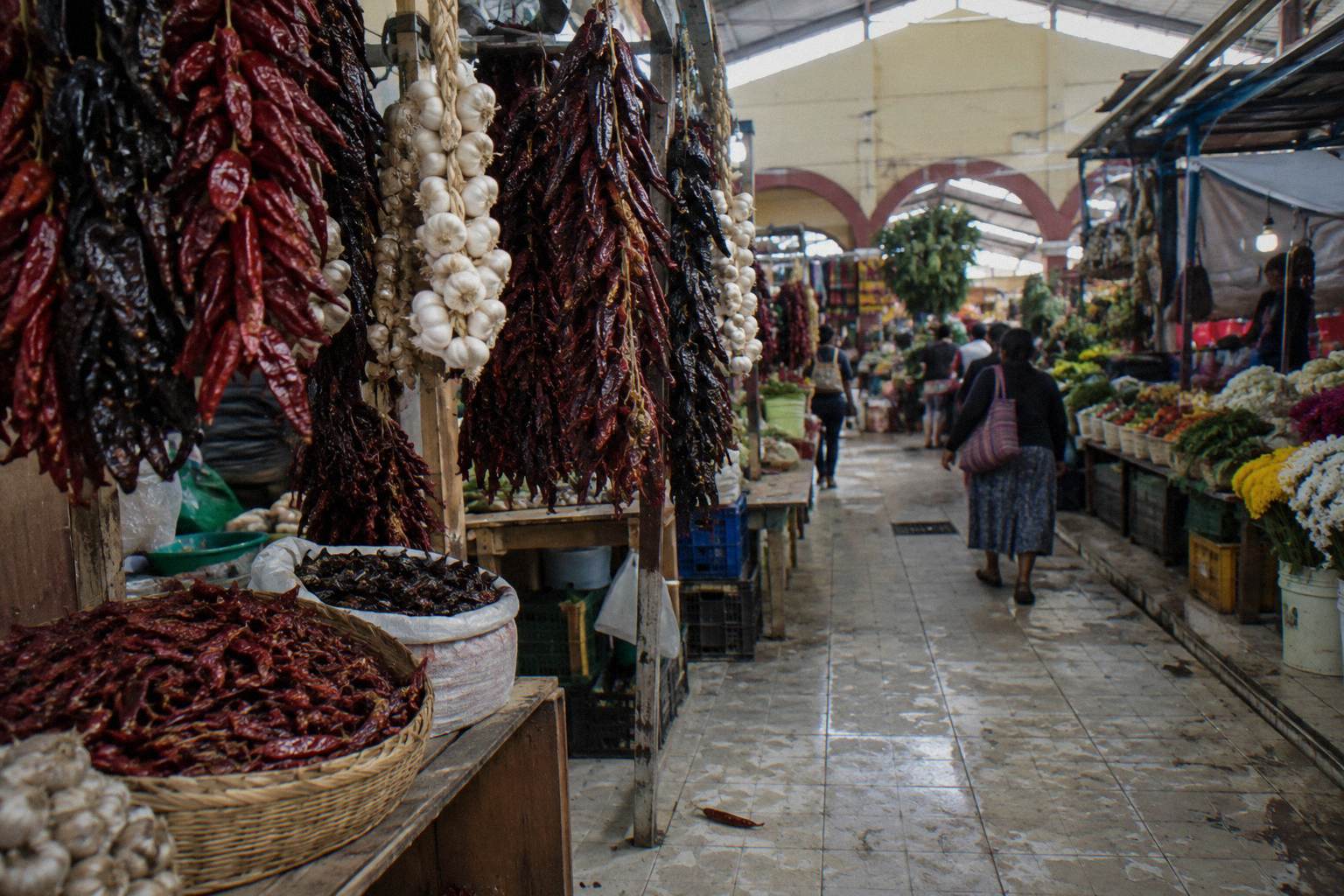
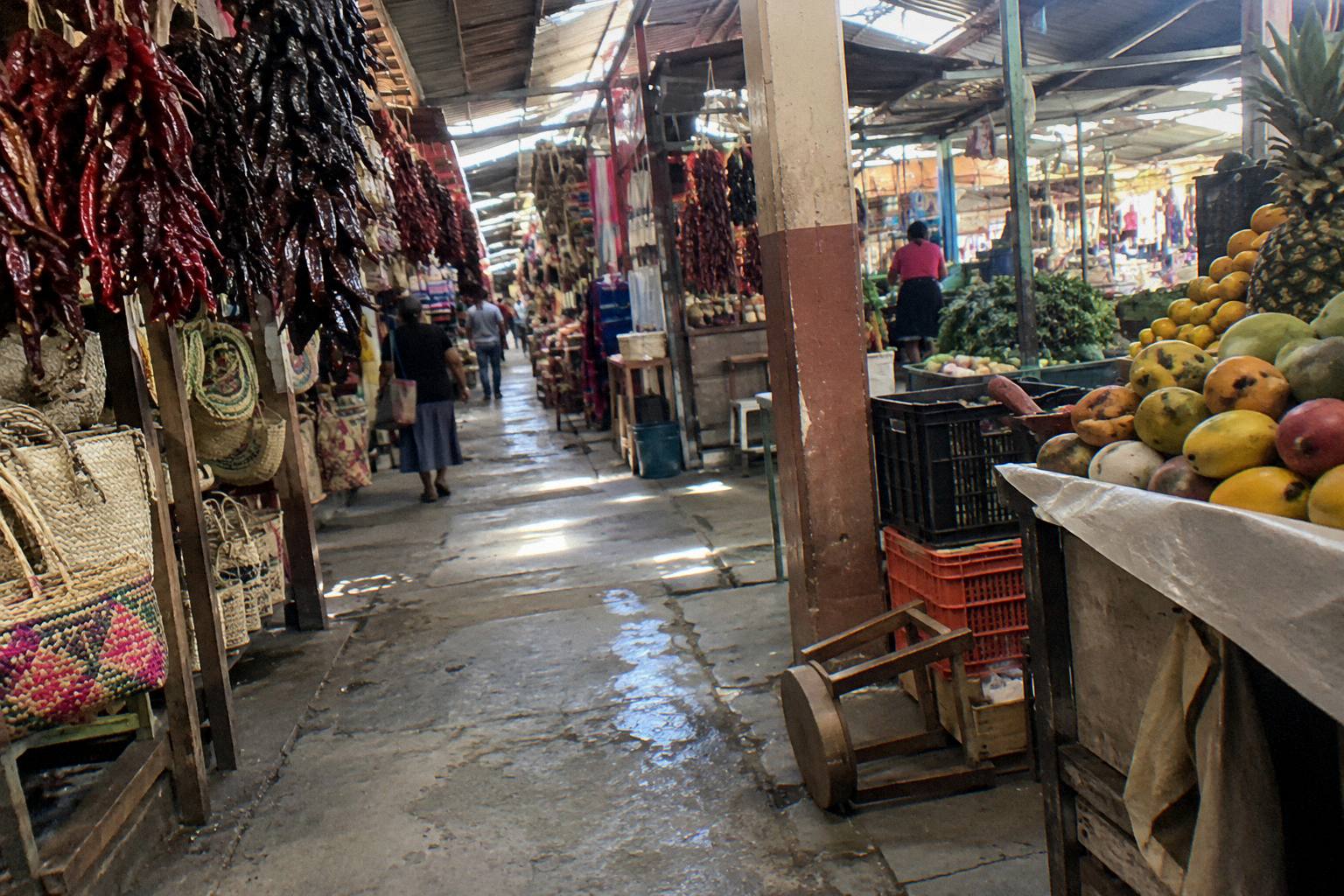
Mercado 20 de Noviembre is a single connected market block behind the Zócalo, entered from several doors, with the smoke alley as its main interior landmark: find the smoke and you have found your orientation. Beside it, separated by a street, sits Mercado Benito Juárez, a second hall of food stalls and goods stalls, also free to walk into. Treat the two as one walk with a street crossing in the middle and the whole thing becomes simple.
Start from the Zócalo or the Alameda de León, both public squares with no ticket, both free to wander. Mercado 20 de Noviembre occupies the block behind them. The market is not large by Oaxaca standards; Mercado de Abastos, on the edge of the city, is the very large wholesale one, and Mercado 20 de Noviembre is compact by comparison. The interior is a grid of stalls with a central food passage, and the smoke alley, the Pasillo de Humo, is where the grills run. It is the loudest, smokiest, most clearly signed part of the market, which makes it the natural anchor point. If you lose your bearings anywhere in the hall, walk toward the smoke and you are back at centre.
Mercado de AbastosFree
Walking in is free; very large wholesale market, busiest Saturday.
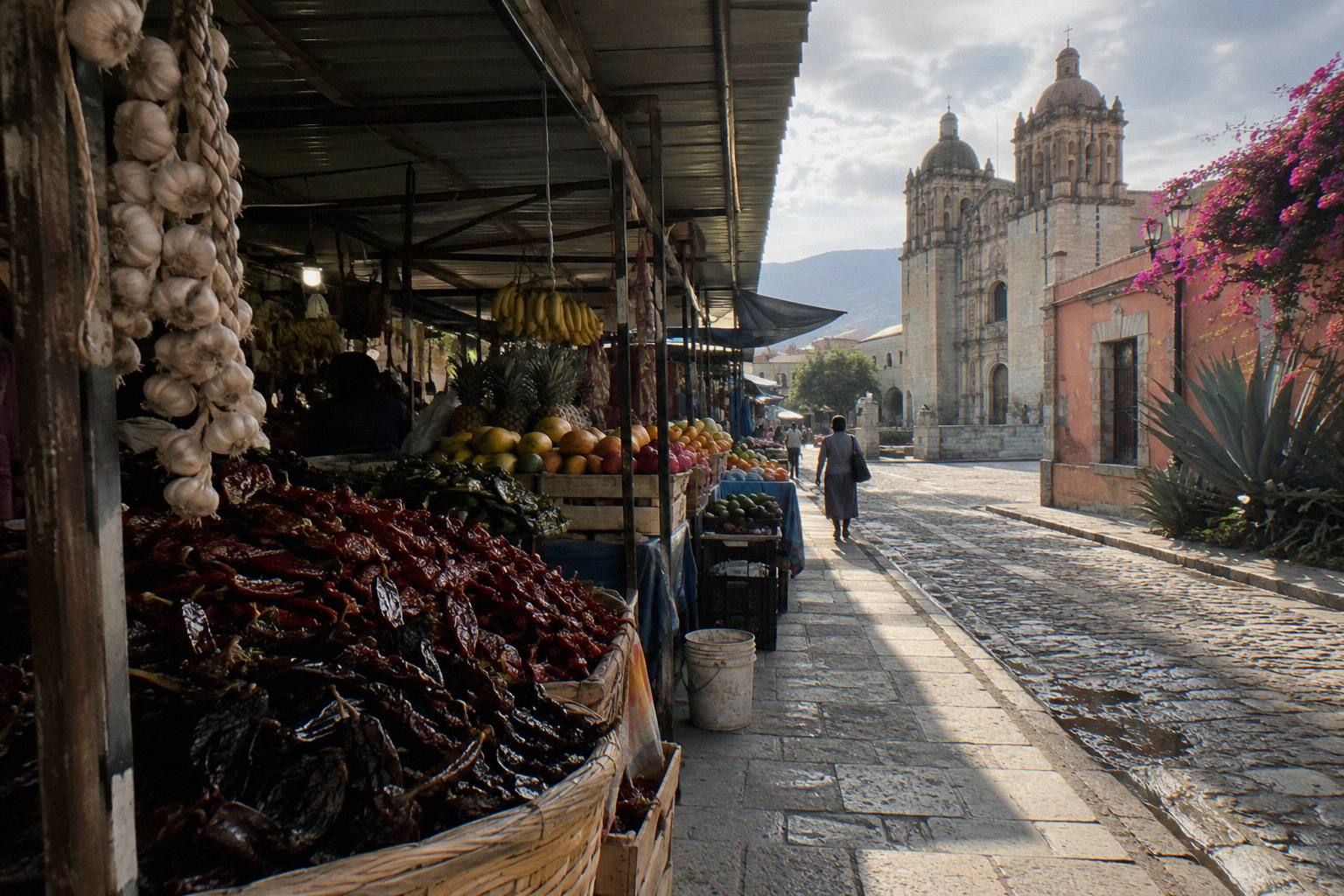
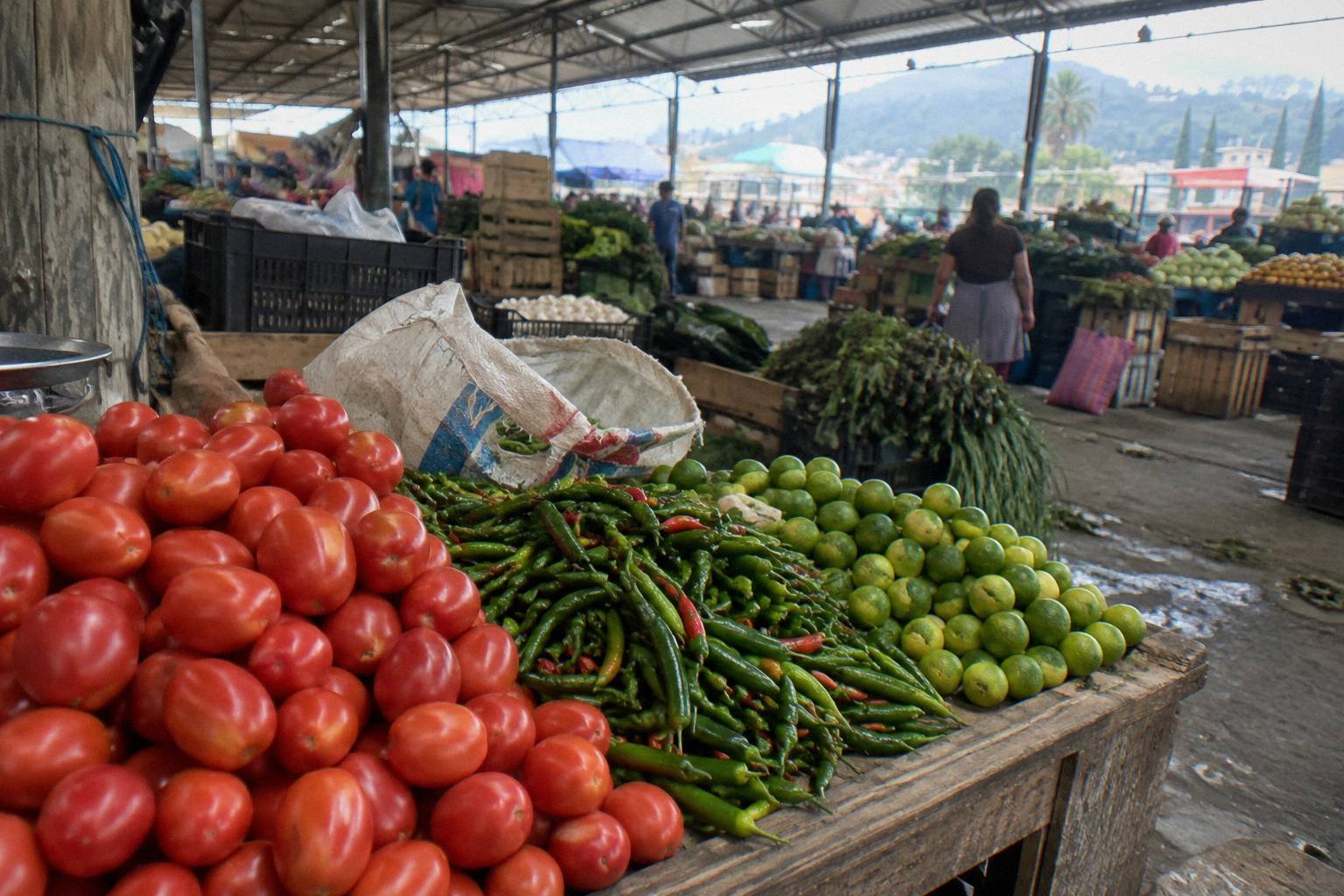
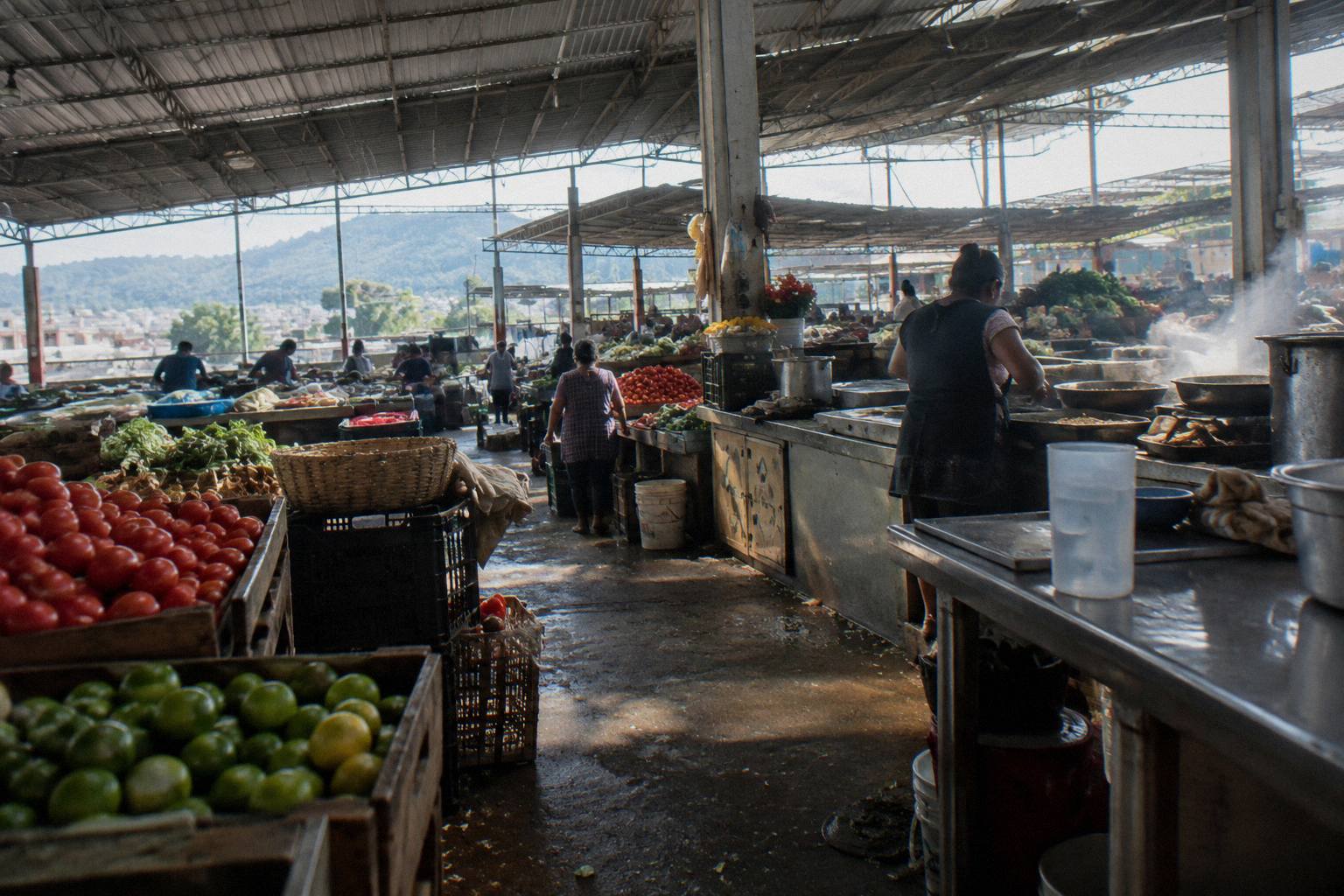
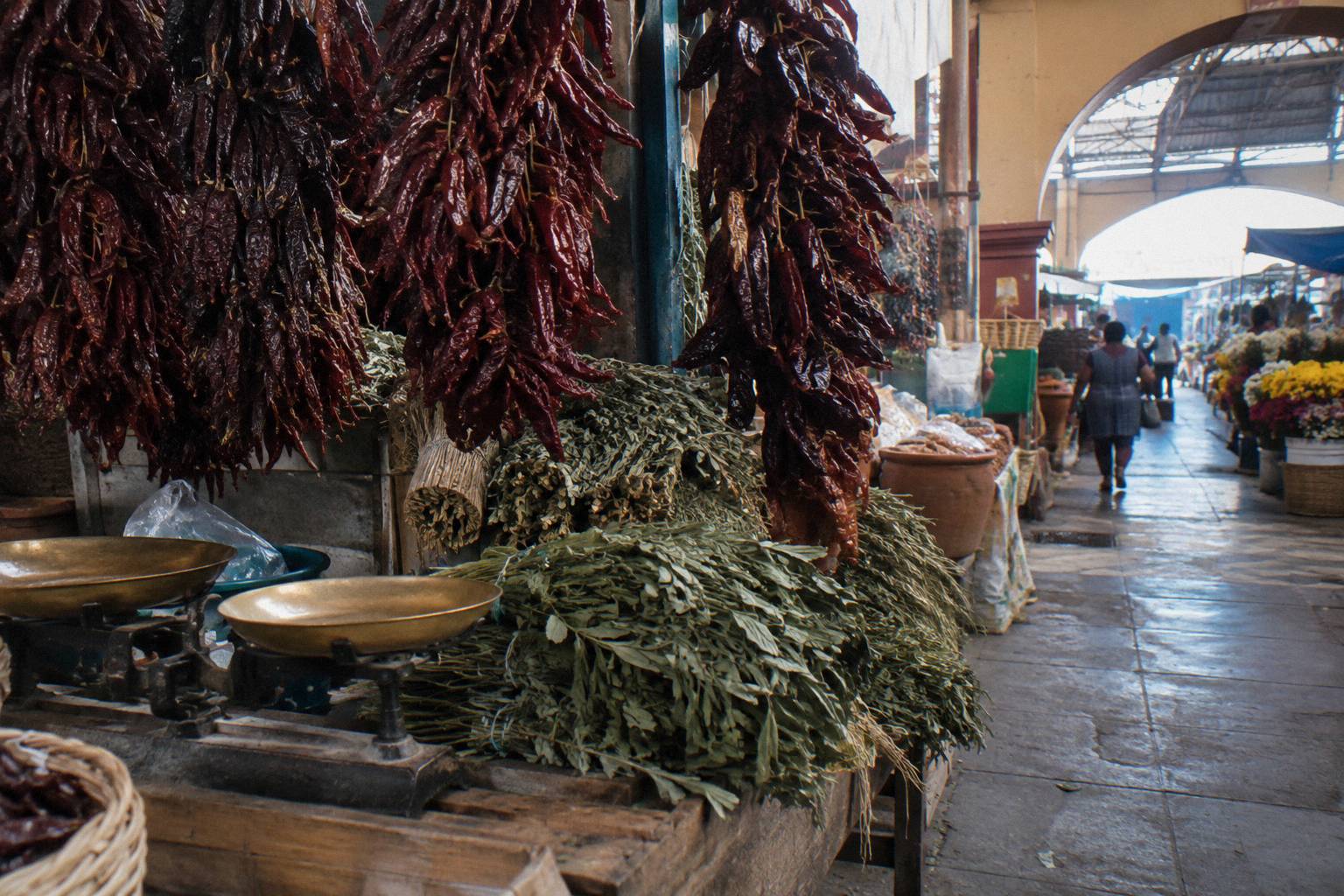
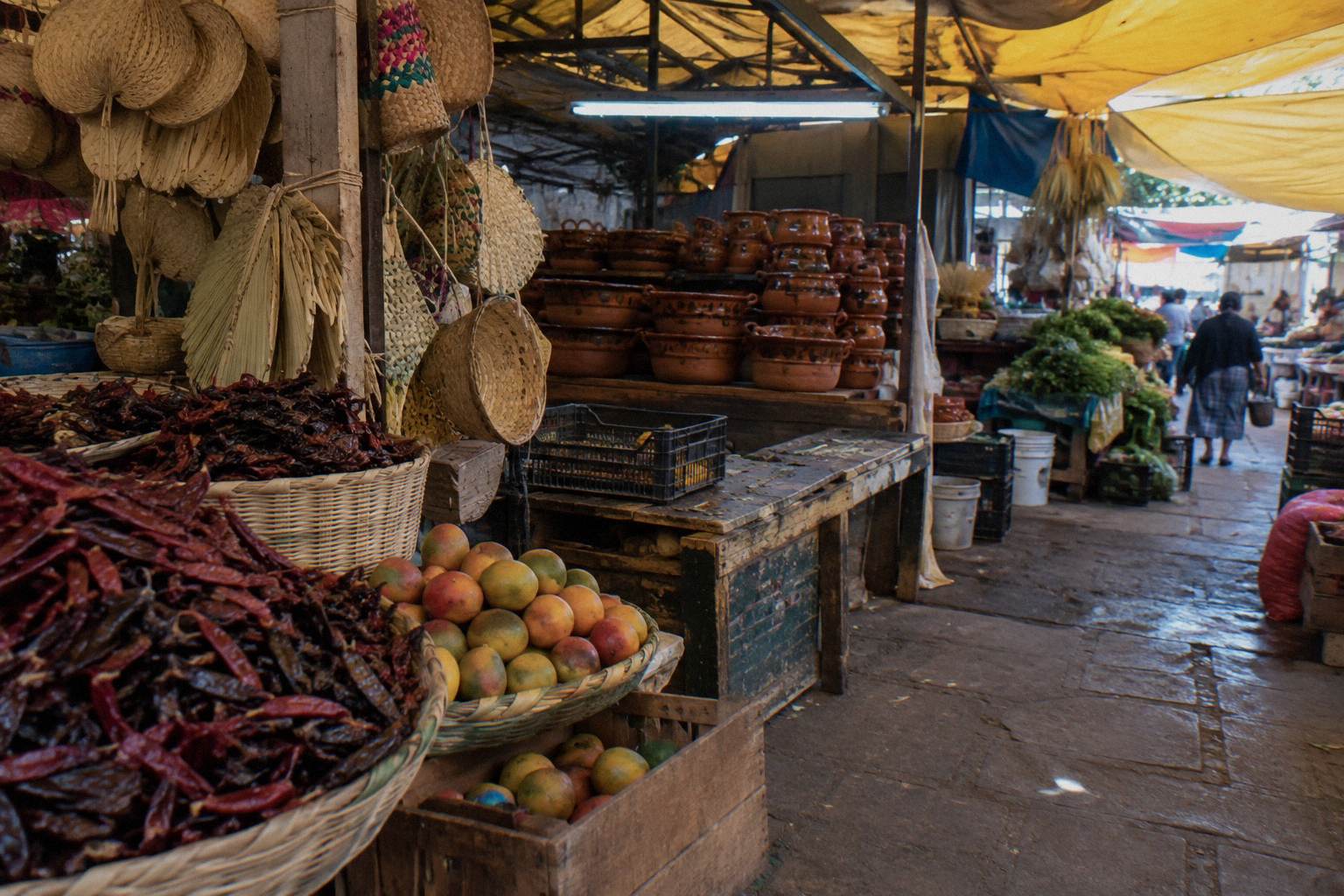
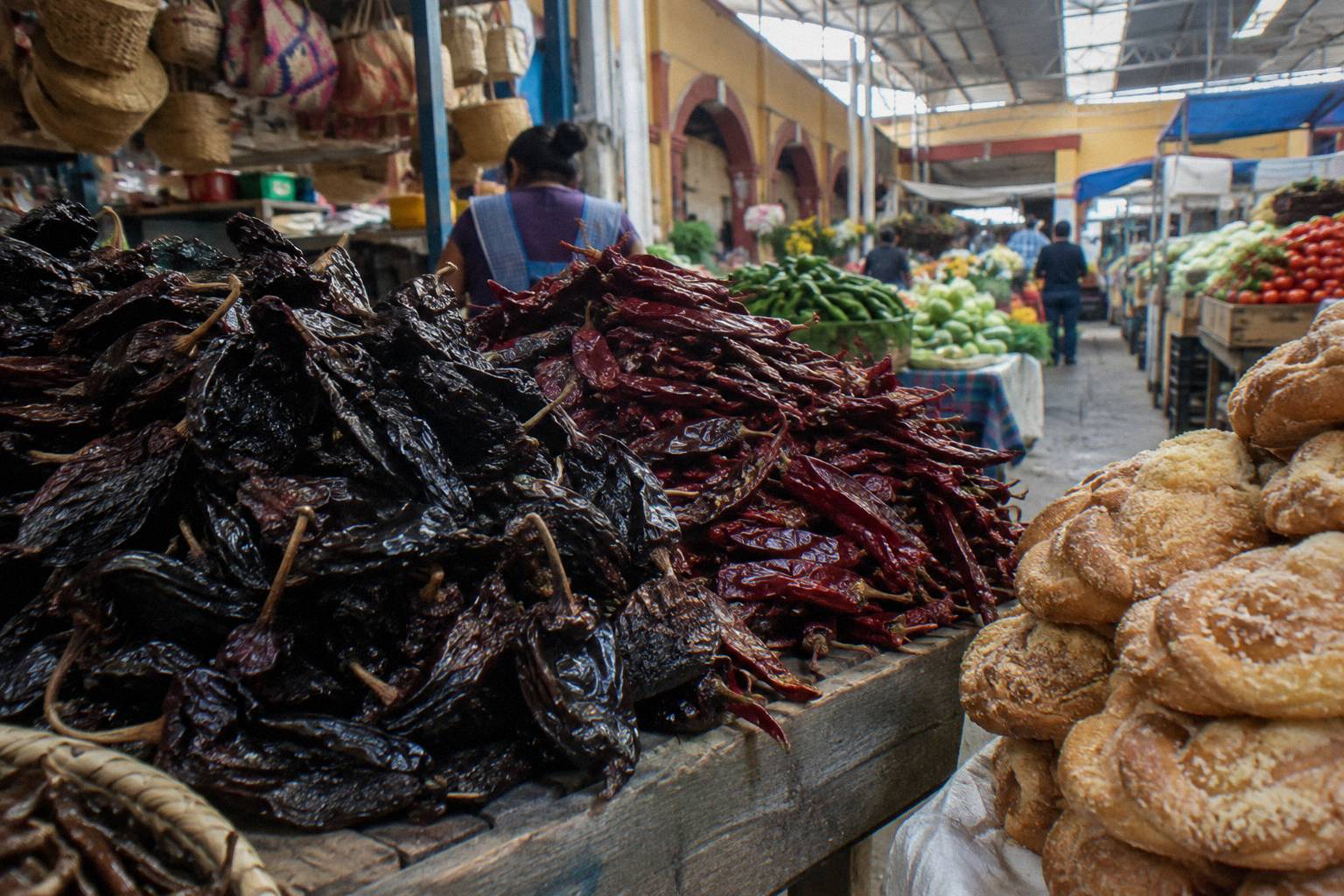
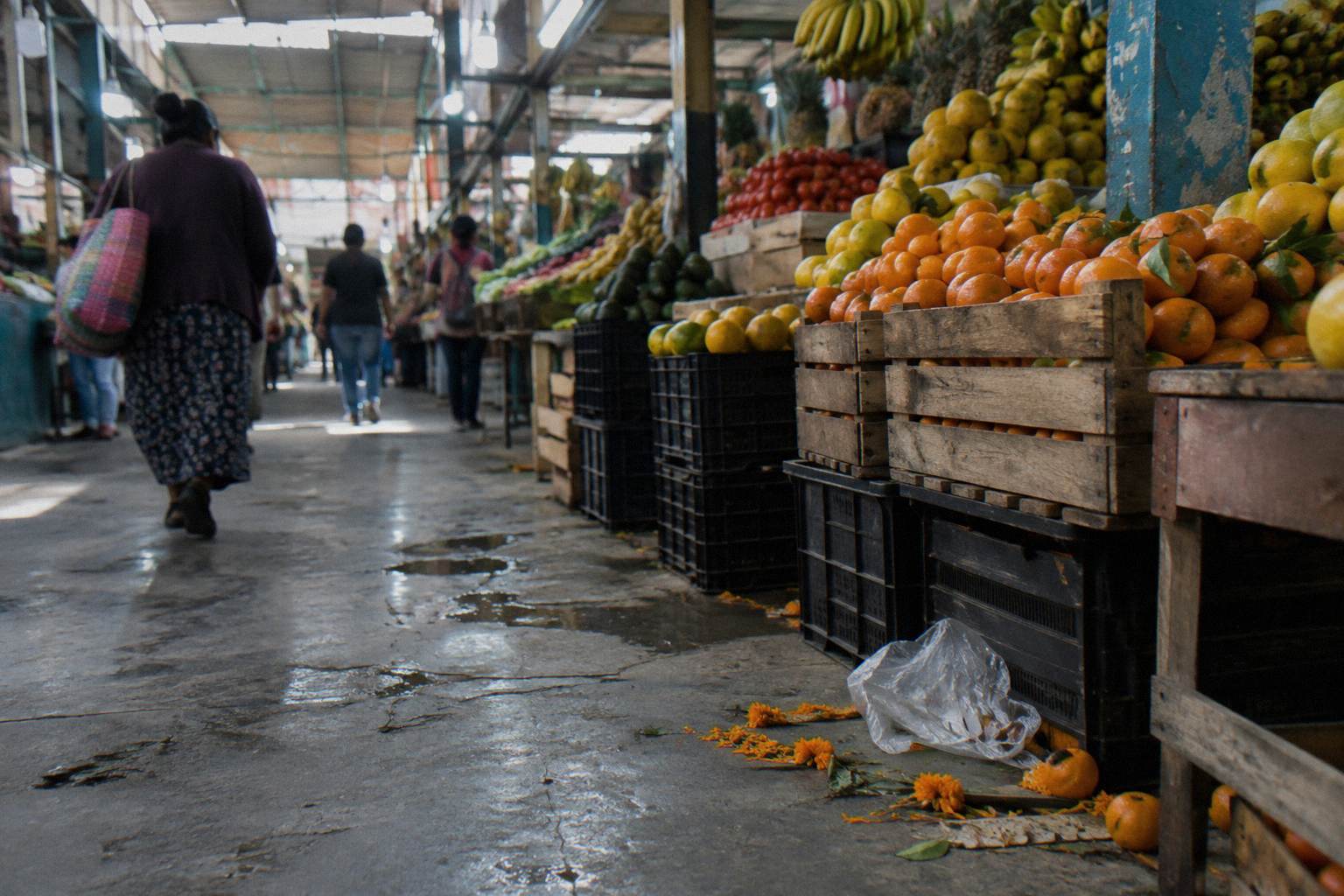
The market's logic is food first. Stalls sell prepared food: meats off the grill, moles, tamales, hot chocolate, bread, ice cream. Around the food sit the goods stalls, and the transition between them is gradual rather than zoned, which is why it is easy to lose your way. There is no map of the interior that helps much; the fix is to pick the smoke alley as home base and explore outward in one direction at a time, returning between loops. A loop of the hall, unhurried, takes a short walk of the kind that fits inside a morning. Mercado Benito Juárez, across the street, is the companion hall: here the balance tips toward goods, including the foodstuffs people take home, cheeses, chapulines, chocolates, spices, alongside its own row of food stands.
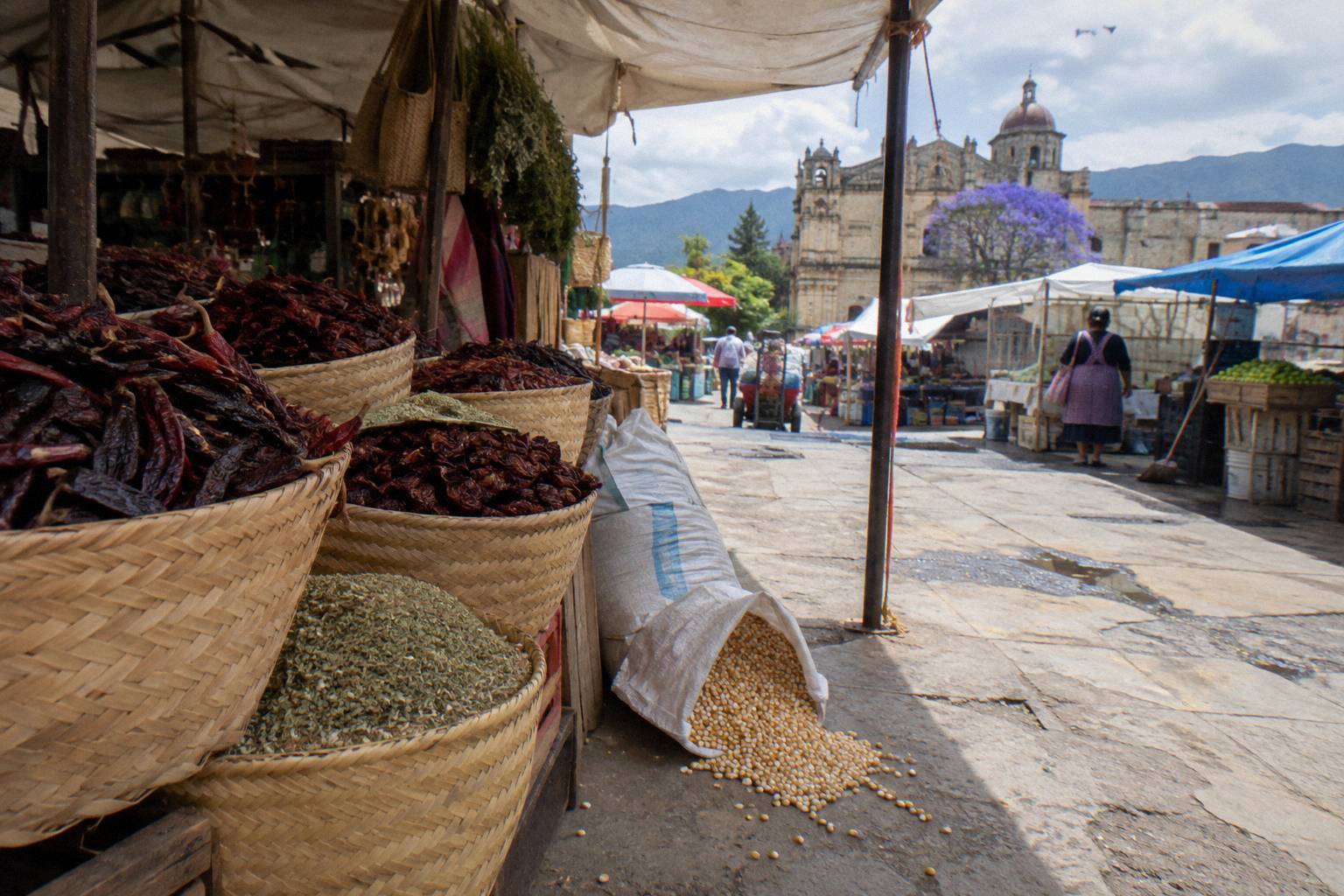
Walking in is free at both halls, and that is a data-confirmed fact, not a folk claim: the markets are recorded as free to enter with food and goods paid. Nothing about the walk itself carries a cost. The paid moments arrive only when you buy something, and in Oaxaca that decision is always yours to make. The same pattern holds at the bigger markets outside the centre. Mercado de Abastos is free to walk into as well, and it is at its busiest on Saturday. The Tlacolula Sunday Market, outside the city, is free to walk into too, with food and goods paid; it runs on Sundays, which makes it a different commitment than a stroll behind the Zócalo.
“Su was really friendly and a fantastic tour guide for Oaxaca, we learnt a lot about the history of Oaxaca and she also offered her own personal recommendations for places to eat. We highly recommend booking on.”
For orientation at the scale of the neighbourhood rather than the hall, the Zócalo and the Alameda de León are the fixed points, and the Andador Macedonio Alcalá, the pedestrian street, runs from that side of the centre. The market block sits within a short walk of all of them. If you want the interior explained rather than just navigated, a free walking tour of the markets category does that; the section later in this guide names the walks, their meeting points and their ratings. For the structural questions of a market day, how the Oaxaca markets work on a free walking tour is the companion guide, and walking the smoke alley on a budget day plan folds it into a full free-and-cheap itinerary.
What Is Free And What Costs Money?
Walking into Mercado 20 de Noviembre, Mercado Benito Juárez, Mercado de Abastos and the Tlacolula Sunday Market is free; every food item and every good inside them is paid. The squares and pedestrian street around them are free. Two famous attractions people pair with an Oaxaca market trip, Hierve el Agua and the Árbol del Tule, are not free: Hierve el Agua charges 70 MXN in total, and the Tule churchyard about 20 MXN per person.
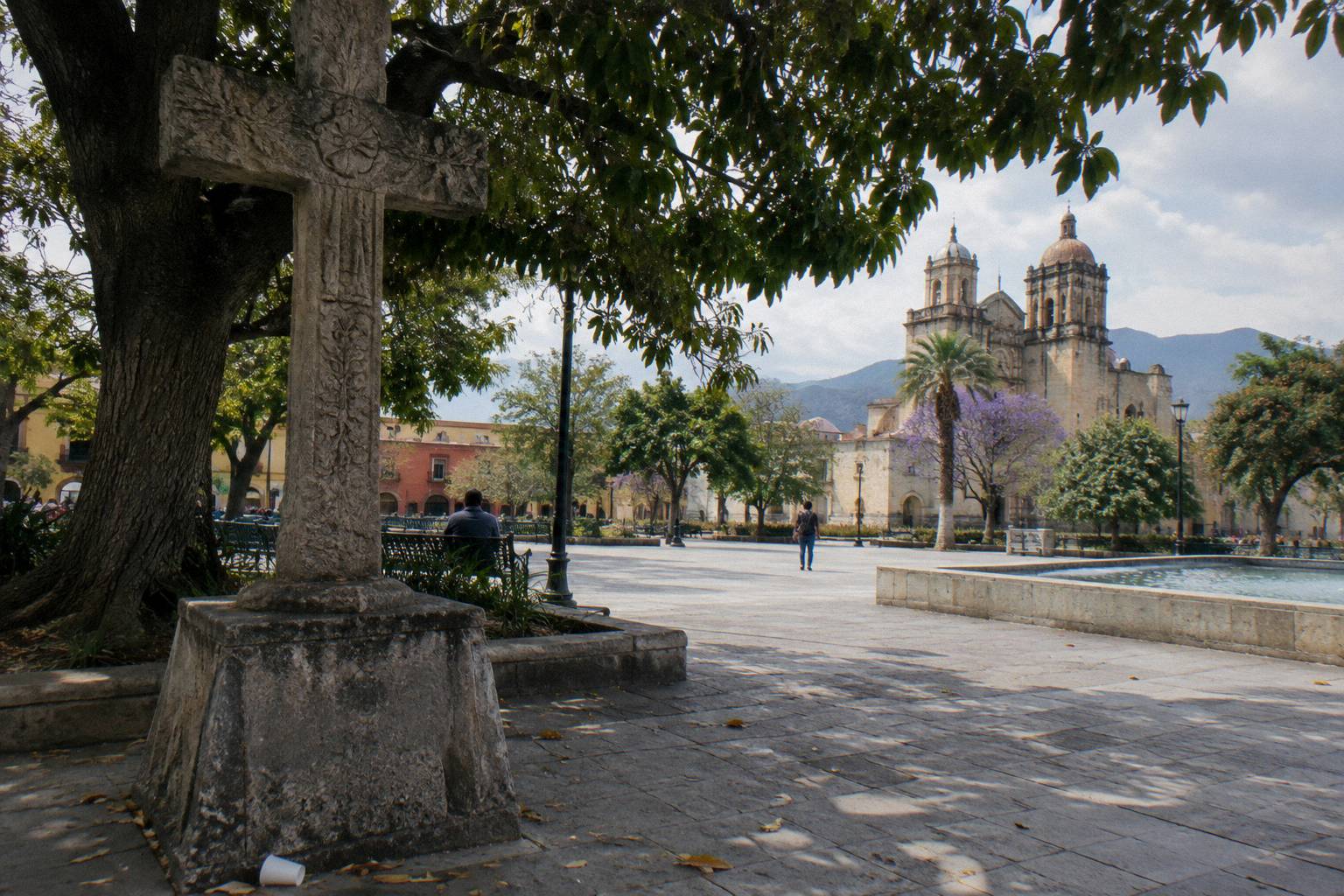
The free side of the market walk is genuinely free. You can enter the hall, walk the smoke alley, cross to Mercado Benito Juárez, browse every stall and leave without spending anything. The Zócalo and the Alameda de León beside it are public squares with no ticket. The Andador Macedonio Alcalá is a pedestrian street with no ticket. Cerro del Fortín, the hill park above the city, is open to the public. The Templo de Santo Domingo de Guzmán is free to enter, though the museum in the ex-convent beside it is ticketed, and the Jardín Etnobotánico behind it admits visitors on guided visits only, which the state government says are free. Those conditions travel with the facts; a church, a museum and a garden are three different things at Santo Domingo, and only the church is simply free.
Inside the market, the paid part is the food and the goods. Plan for a range you set yourself: a market meal costs what the stall charges, and stalls differ. The prices that are confirmed, in pesos and exactly as recorded, belong to the two out-of-town attractions that market visitors often add to the same trip. Hierve el Agua is community-run, not INAH, and entry is charged by two communities: 70 MXN in total, being a 20 MXN road toll charged by San Lorenzo Albarradas plus 50 MXN park access charged by San Isidro Roaguia. The Árbol del Tule stands in the Santa María del Tule churchyard, and getting close to the tree needs a small per-person fee of about 20 MXN.
Place
Free or paid
The exact condition
Mercado 20 de Noviembre (walking in)
Free
Food and goods inside are paid
Mercado Benito Juárez (walking in)
Free
Food and goods inside are paid
Smoke alley passage
Free to walk through
Grilled meats are bought per stall
Mercado de Abastos
Free
Goods paid; busiest Saturday
Tlacolula Sunday Market
Free
Food and goods paid; runs Sundays
Zócalo and Alameda de León
Free
Public squares, no ticket
Hierve el Agua
Paid
70 MXN total: 20 road toll plus 50 park access
Árbol del Tule churchyard
Paid
About 20 MXN per person to get close
Every city market is free to walk into, while Hierve el Agua charges 70 MXN in total and the Tule churchyard about 20 MXN per person.
One trap deserves its own sentence, because it catches visitors who extend the market logic outward. The famous archaeological zones are not free on any day for visitors from abroad. Monte Albán, Mitla and Yagul are ticketed INAH sites, and INAH's free Sunday entry applies to Mexican nationals and residents of Mexico with ID only. The INAH pages say "Domingos gratis (mexicanos)". A visitor from abroad pays at the gate, and no amount of arriving on a Sunday changes that. This matters for a market-centred trip because the Tlacolula Sunday Market pairs naturally with Mitla in people's plans, and the budget for that day includes a ticket at Mitla and a fee at Hierve el Agua, not free entry.
“This tour was excellent! It’a not just about seeing the street art but the guide also gives a lot of interesting information related to politica, history and culture of Mexico. Maria Fernanda really made the tour a lot of fun.”
The free walking tours themselves sit on the free side of the line, with one model and no exceptions: free, pay what you want, reserved on GuruWalk. There is no fee up front, and no published amount that a walker should give afterwards, because none exists; the amount is the walker's own decision. What a tour does is add context to what the market walk already gives you for nothing. The free versus paid walking tour comparison sets out the difference in full, and how tip-based tours actually work explains the pay what you want model without inventing numbers.
When Is The Best Time To Go?
The best timing depends on the markets: go to Tlacolula on a Sunday for its market, visit Mercado de Abastos on Saturday when it is busiest, and see the INAH sites any day between 08:00 and 17:00, with earlier last access. Mercado 20 de Noviembre has no confirmed hours, so fit the city walk into your remaining days.
The day of the week is the strongest timing lever in this data. Tlacolula is a Sunday market: it exists as a market on that day, and walking in is free with food and goods paid. Abastos is at its busiest on Saturday, which is a fact about crowds worth knowing whether you want them or do not. Mercado 20 de Noviembre and Mercado Benito Juárez are city markets behind the Zócalo, and their rhythm is the city's own. No confirmed opening hours are published for the city market halls, so plan for each hall to keep its own schedule. The squares around them are public and open. The free walking tours that cover the markets run to the schedule shown on each walk's GuruWalk page. The wider set of guides lives on Free Things To Do In Oaxaca.
If your market day and your ruins day are the same day, the INAH hours are confirmed: Monte Albán, Mitla and Yagul open Monday to Sunday 08:00 to 17:00, with last access at 16:00 at Monte Albán and Yagul and 16:30 at Mitla. Mitla additionally charges 730 MXN for visits outside normal hours. Those hours matter most on a Sunday, when the Tlacolula market and the Mitla ticket booth compete for the same morning, and the Sunday free-entry rule will not help a visitor from abroad at the gate.
Seasonal timing is thinner in the data, which is itself useful to know. The Guelaguetza, the big festival on Cerro del Fortín, usually falls on the last two Mondays of July; the auditorium's upper sections C and D are free, first come and unreserved, while sections A and B need a ticket. Día de Muertos brings open cemeteries and street altars, with no tickets needed for the public panteones and altars. Neither festival changes the market's own facts, but both change the city around it, and a market walk during those weeks happens inside a much fuller street life. The month by month walking tour guide lays out the calendar side in more depth.
Cerro del FortínFree
Hill park above the city, open to the public.
Mercado 20 de Noviembre is free to walk, though the food and goods inside are paid. No crowd or queue claims are in the data, so none appear here. What can be said is structural: Saturday belongs to Abastos, Sunday belongs to Tlacolula, the city halls sit behind the Zócalo every day they are open, and the free walking tours run to their published meeting points. Reserve a walk for the part of your trip where you want the context, and keep a free unhurried loop of the halls for yourself on another morning.
Where Do Free Walking Tours Meet Nearby?
Free walking tours nearby gather at a handful of set spots: the Markets, History And Art Walk meets at Café Kapel Nana and Eden MiniGalería, Aztec Roots And Chocolate starts at Plaza de la Cruz de Piedra in Xochimilco, and Centro walks depart from Cosijoeza 110A, Jardín El Pañuelito, the Teatro Macedonio Alcalá, and ARIPO. Every walk is free, pay what you want, and reserved on its GuruWalk page.
The market walk that matches this article is the Oaxaca City Walking Tour: Markets, History and Art, listed on GuruWalk as free, pay what you want, running 2 hours in English and Spanish, rated 5 out of 5 across 28 GuruWalk reviews, and meeting at Café Kapel Nana and Eden MiniGalería. Its review pool is small, 28 reviews in total. A rating of 5 out of 5 across 28 GuruWalk reviews is a strong score from a small pool, and it makes sense to read it in exactly those terms. What the listing does establish is the practical spine of a market day: a meeting point in the centre, a two hour format in two languages, and a category, Xochimilco And The Markets, that this whole guide belongs to.
“We had a great experience on our walking tour! Our guide was very knowledgeable and had a special interest in art and local crafts and it was great to visit galleries and learn about the culture of the region.”
The second markets walk is the Xochimilco Walking Tour: Aztec roots, Colonial Aqueduct and the best Oaxacan Chocolate, free, pay what you want, 2 hours in English and Spanish, rated 4.78 out of 5 across 23 GuruWalk reviews, meeting at Plaza de la Cruz de Piedra in Xochimilco. Its title is quoted here as a title, exactly as GuruWalk prints it. Between the two market walks, the practical difference is the meeting point and the review pool; the shared facts are the platform, the free model, the duration and the two languages.
A market walk pairs naturally with a centre walk on another day, and the centre category supplies the largest review pools on this site. The Free Walking Tour Oaxaca by locals, run by Oaxaca by locals, is free, pay what you want, 2 hours in English and Spanish, rated 4.63 out of 5 across 1,165 GuruWalk reviews, meeting at Cosijoeza 110A, Centro: the biggest pool of any walk here. It shares that meeting point with the Jalatlaco Street Art free tour, also by Oaxaca by locals, 2 hours in English, rated 4.91 out of 5 across 636 GuruWalk reviews.
For the Xochimilco side of the market district itself, Around Oaxaca city, A walk through Time and Culture is free, pay what you want, 2 hours 30 minutes in English and Spanish, rated 4.99 out of 5 across 496 GuruWalk reviews, meeting at Plaza de la Cruz de Piedra in Xochimilco. That score from that pool is the strongest combination of rating and sample among the walks that meet near the market district, and unlike the smaller market walks it carries a review base large enough to treat the number seriously.
Walk
Meets at
Duration
Languages
Rating and reviews
Markets, History And Art Walk
Café Kapel Nana and Eden MiniGalería
2 hours
English and Spanish
5 out of 5 across 28 GuruWalk reviews
Aztec Roots And Chocolate
Plaza de la Cruz de Piedra, Xochimilco
2 hours
English and Spanish
4.78 out of 5 across 23 GuruWalk reviews
Centro And Santo Domingo Route
Cosijoeza 110A, Centro
2 hours
English and Spanish
4.63 out of 5 across 1,165 GuruWalk reviews
Xochimilco Start, Through Time
Plaza de la Cruz de Piedra, Xochimilco
2 hours 30 minutes
English and Spanish
4.99 out of 5 across 496 GuruWalk reviews
The rest of the 10 free walking tours in Oaxaca meet at points across the centre and the barrios: Jardín El Pañuelito, the Teatro Macedonio Alcalá, the Museo de los Pintores Oaxaqueños and ARIPO next to the fountain on the centre side, and the Iglesia de San Matías Jalatlaco for the Jalatlaco walks. Meeting points are written here exactly as each walk's listing gives them. Each walk's own GuruWalk page carries its schedule and its reservation. If the question behind your planning is whether the whole city holds together on foot, how walkable Oaxaca is answers it from the free walking tour angle, and whether you need to book a free walking tour in advance covers the reservation side.
Mistakes That Trip People Up At Mercado 20 De Noviembre
The mistakes are category errors: visitors expect an entry charge at Mercado 20 de Noviembre, which is free to walk into while you pay only for food and goods, assume every site is free though Hierve el Agua and the Tule churchyard charge community fees, treat INAH Sunday free entry as universal when it covers Mexican nationals and residents with ID only, and hunt for tip figures on pay what you want walks that no one publishes.
The first mistake is assuming the smoke alley costs something to enter. It does not. It is a passage inside a market that is free to walk into, and the paid moment is the plate of tasajo or the chocolate, not the stroll. The second mistake runs the other direction: assuming Hierve el Agua or the Tule tree are free because they sit in the same mental folder as "things to do around Oaxaca". Hierve el Agua is community-run and charges 70 MXN in total, the 20 MXN road toll plus the 50 MXN park access, split between two communities. The Árbol del Tule churchyard charges about 20 MXN per person to get close to the tree. Both are paid, plainly, and neither is an INAH site.
Hierve el AguaPaid
Community-run site, not INAH. Entry is charged by two communities.
The third mistake is the Sunday assumption at the ruins. INAH's Sunday free entry at Monte Albán, Mitla and Yagul applies to Mexican nationals and residents of Mexico with ID. Visitors from abroad pay. The Tlacolula Sunday Market in the same sentence is free to walk into, and the contrast is the trap: a free market morning and a paid ruins afternoon on the same Sunday, with no free-entry rescue at the second. The fourth mistake is asking what a free walking tour costs or what to give. No amount is published, by the walks or by anyone else whose word this site can print. Every one of the 10 free walking tours is free, pay what you want, reserved on GuruWalk, and the amount afterwards is the walker's own decision. Any page handing you a number for that is inventing it.
The fifth mistake is subtler: expecting the market walk to come with a museum-style map and confirmed hours. The sixth is blaming the wrong walk for a language mismatch. The Languages cell in each walk's listing is a fact: the By Locals walk runs in English and Spanish, the Jalatlaco Street Art free tour runs in English, the markets walks run in English and Spanish, and no walk on this site should be described in a language its listing does not state. Check the language on the walk's own GuruWalk page before reserving, not after arriving.
Monte AlbánPaid
Ticketed INAH archaeological zone. No free entry for visitors from abroad.
Common Questions About Mercado 20 De Noviembre
Is Mercado 20 De Noviembre Free To Enter?
Yes, walking into Mercado 20 de Noviembre is free, and the same goes for Mercado Benito Juárez beside it and the bigger markets like Abastos and Tlacolula. Food and goods inside are paid. The smoke alley passage is part of the market and free to walk through.
What Is The Smoke Alley In Mercado 20 De Noviembre?
The smoke alley, or Pasillo de Humo, is the covered passage of grills inside the market where tasajo, cecina and chorizo are cooked. Walking through it is free; the meats are bought per stall. It is the clearest landmark inside the hall for finding your bearings.
Which Free Walking Tour Covers The Oaxaca Markets?
The Markets, History And Art Walk meets at Café Kapel Nana and Eden MiniGalería, runs 2 hours in English and Spanish, and is rated 5 out of 5 across 28 GuruWalk reviews. The Aztec Roots And Chocolate walk meets at Plaza de la Cruz de Piedra in Xochimilco and is rated 4.78 out of 5 across 23 reviews. Both are free, pay what you want.
Is Mercado Benito Juárez Free Too?
Yes, walking into Mercado Benito Juárez is free, with food and goods paid, exactly like its neighbour. The two halls sit across a street from each other behind the Zócalo, so a free loop of both fits in one short walk of the centre.
Should I Combine The Market With Hierve El Agua Or El Tule?
You can, but budget for them: Hierve el Agua charges 70 MXN in total, a 20 MXN road toll plus 50 MXN park access, charged by two communities, and the Árbol del Tule churchyard charges about 20 MXN per person to get close to the tree. Neither is free, and neither is an INAH site.
How Much Should I Give On A Free Walking Tour?
No amount is published anywhere this site can verify. Every one of the 10 free walking tours in Oaxaca is free, pay what you want, reserved on its GuruWalk page, and the amount afterwards is entirely the walker's decision. Any figure you read elsewhere is invention, not information.
Want A Guide Through The Market Halls?
The Markets, History And Art Walk is free, pay what you want, and reserved on its GuruWalk page. Reserve a place before you go and decide what it was worth afterwards.