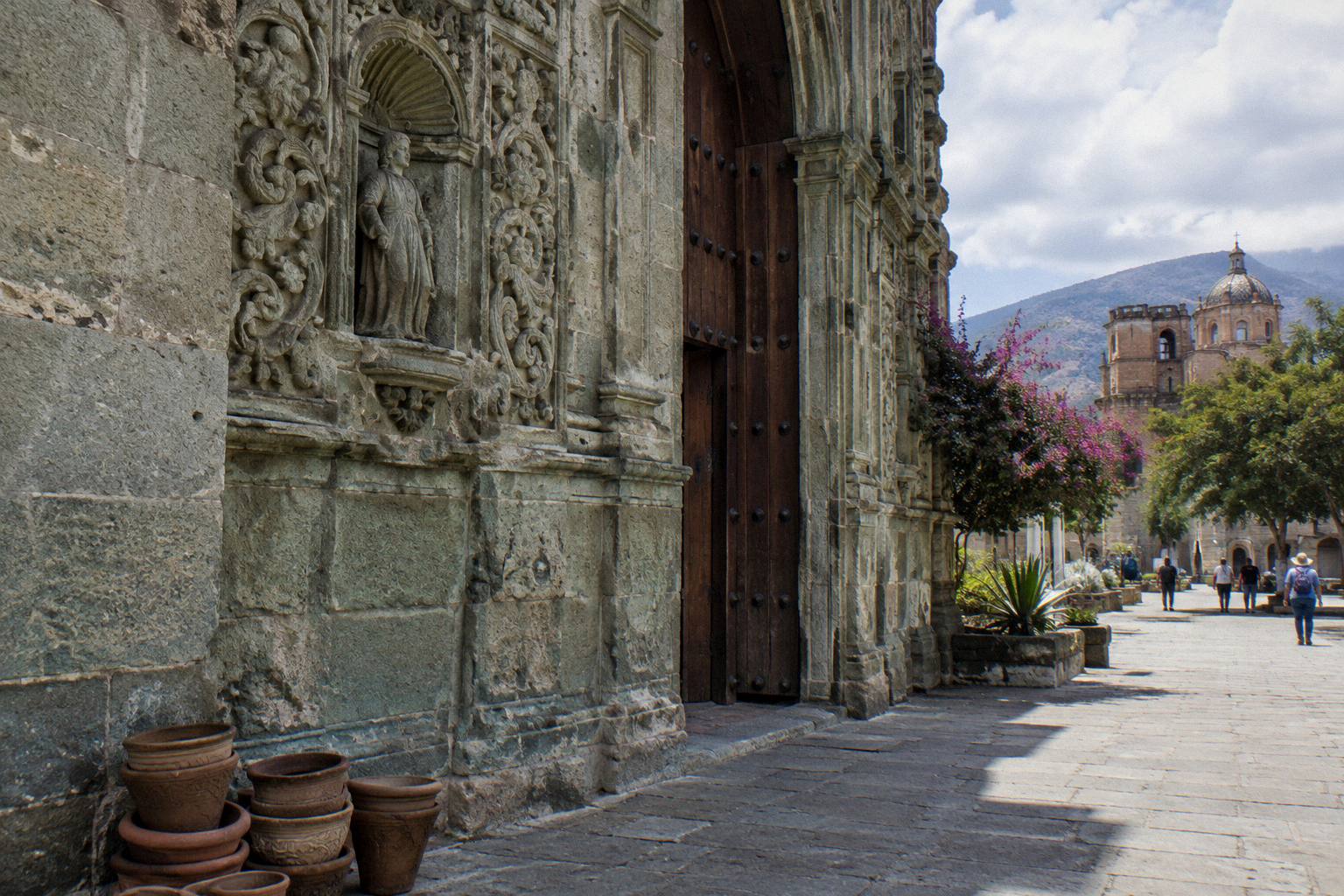
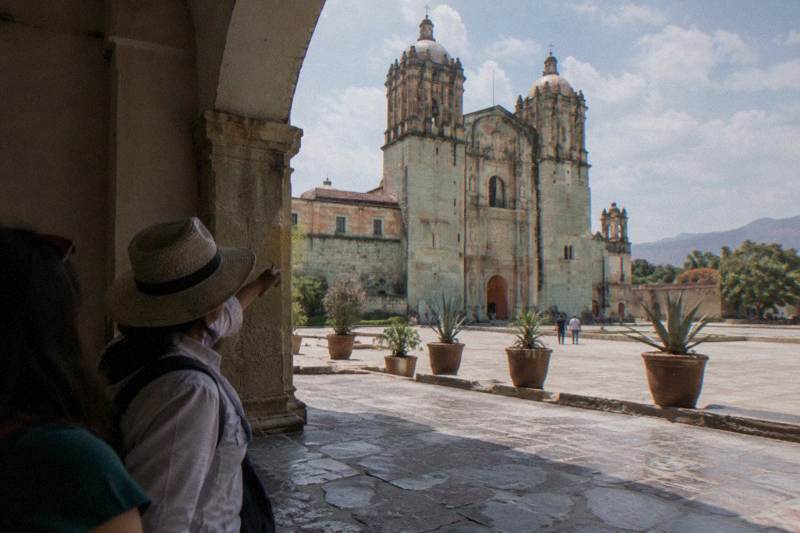
What Is Oaxaca Known For? The Highlights A Free Walking Tour Covers
Oaxaca is known for its walkable historic center, the Templo de Santo Domingo de Guzmán, the markets, the murals of Jalatlaco and the festivals, and the free walking tours that tie them together.
In Short
Oaxaca is known for its historic center, Santo Domingo, its markets and street food, the murals of Jalatlaco and Xochimilco, and festivals like Guelaguetza and Día de Muertos. A free, pay what you want walking tour of about 2 hours covers the central highlights. The Zócalo, Alameda de León and Andador Macedonio Alcalá cost nothing to walk.
Oaxaca is known for a compact, walkable historic center where the Zócalo, the Alameda de León and the Andador Macedonio Alcalá lead toward the Templo de Santo Domingo de Guzmán, all of it free to walk at your own pace. Around that core sit the neighbourhoods of Jalatlaco and Xochimilco, the markets, the murals, and a festival calendar that peaks with Guelaguetza in July and Día de Muertos at the start of November. A free walking tour ties those pieces together, and this guide lays out what the 10 free walking tours in Oaxaca cover, what genuinely costs nothing and what does not. Part of the free things to do guides on this site, this page focuses on the highlights themselves. For how the pay what you want model works in practice, see how tip based tours work in Oaxaca.
Quick Facts
Thing
Status
Zócalo, Alameda de León, Andador Macedonio Alcalá
Free public spaces, no ticket
Templo de Santo Domingo de Guzmán
Free to enter as a public church
Museo de las Culturas de Oaxaca (ex-convent)
Ticketed, foreign adults 210 MXN
Jardín Etnobotánico
Guided visit only, free guided tours per the state government
Monte Albán and Mitla
Outside the city, ticketed, foreign adults 210 MXN each
Markets (20 de Noviembre, Benito Juárez, Abastos, Tlacolula)
Free to walk in, food and goods paid
Free walking tours
10 free walking tours in Oaxaca, all free, pay what you want
Which Highlights Can A Two-Hour Walk Cover?
A two-hour walk can cover the core of Oaxaca: the Zócalo and Alameda de León, the Andador Macedonio Alcalá pedestrian street, the outside of the Templo de Santo Domingo de Guzmán, and the historic center streets around it. Because these are all free public spaces, the same route works on your own before or after a tour.
“Dejan was a fantastic tour guide. Very knowledgeable about the history of Oaxaca and local relevant insights and perspectives. The two and a half hour walk went by super fast. Excellent choice!”
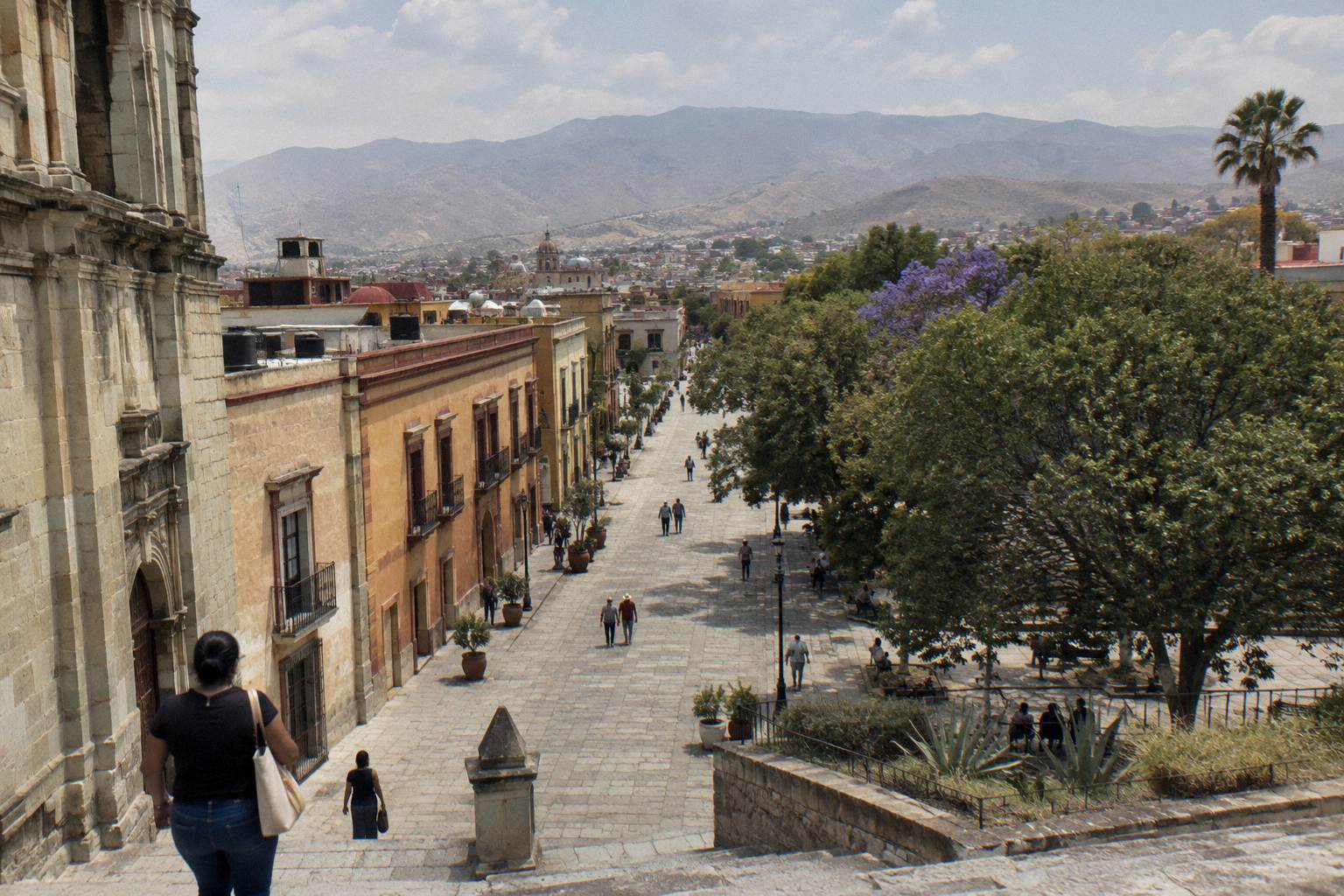
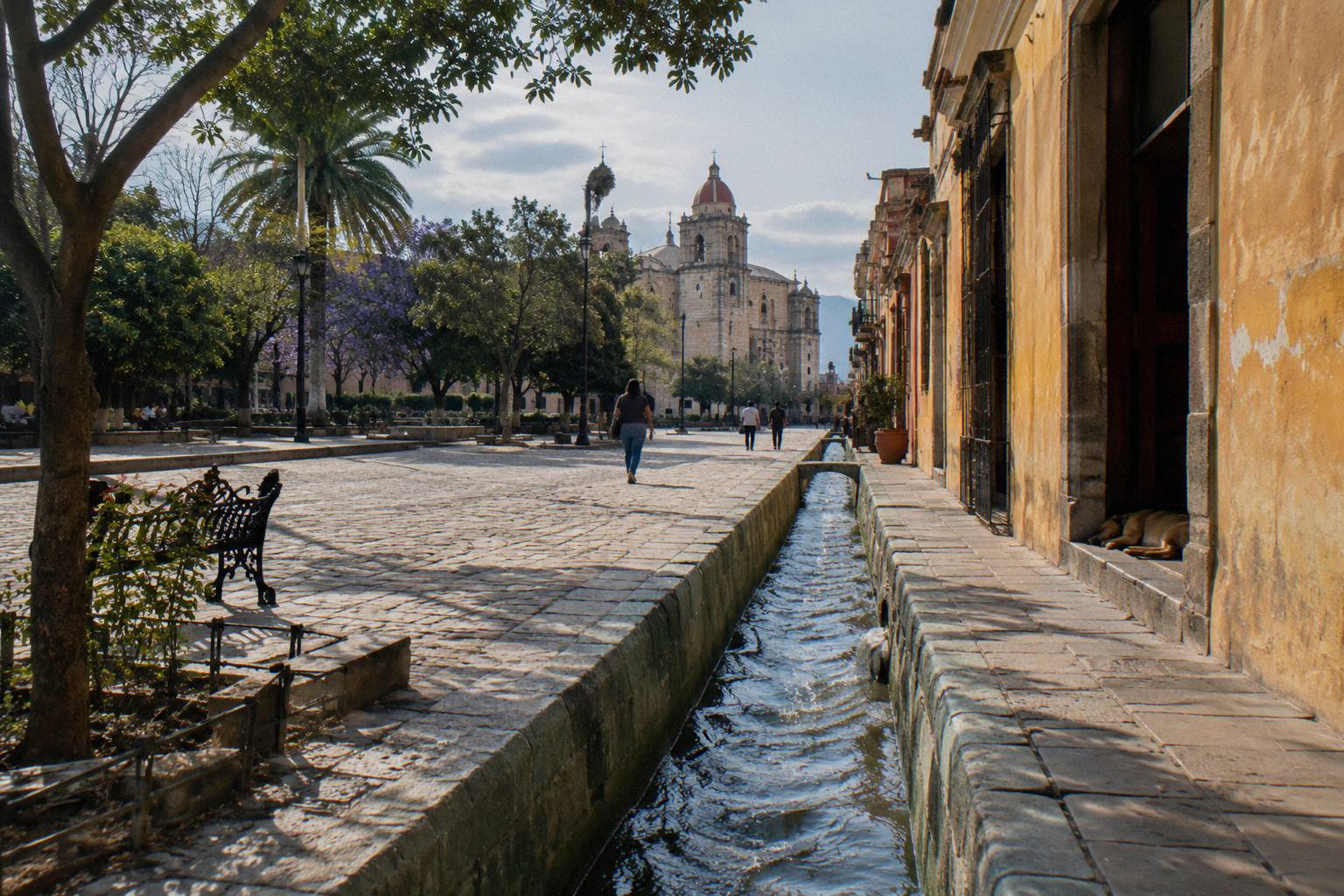
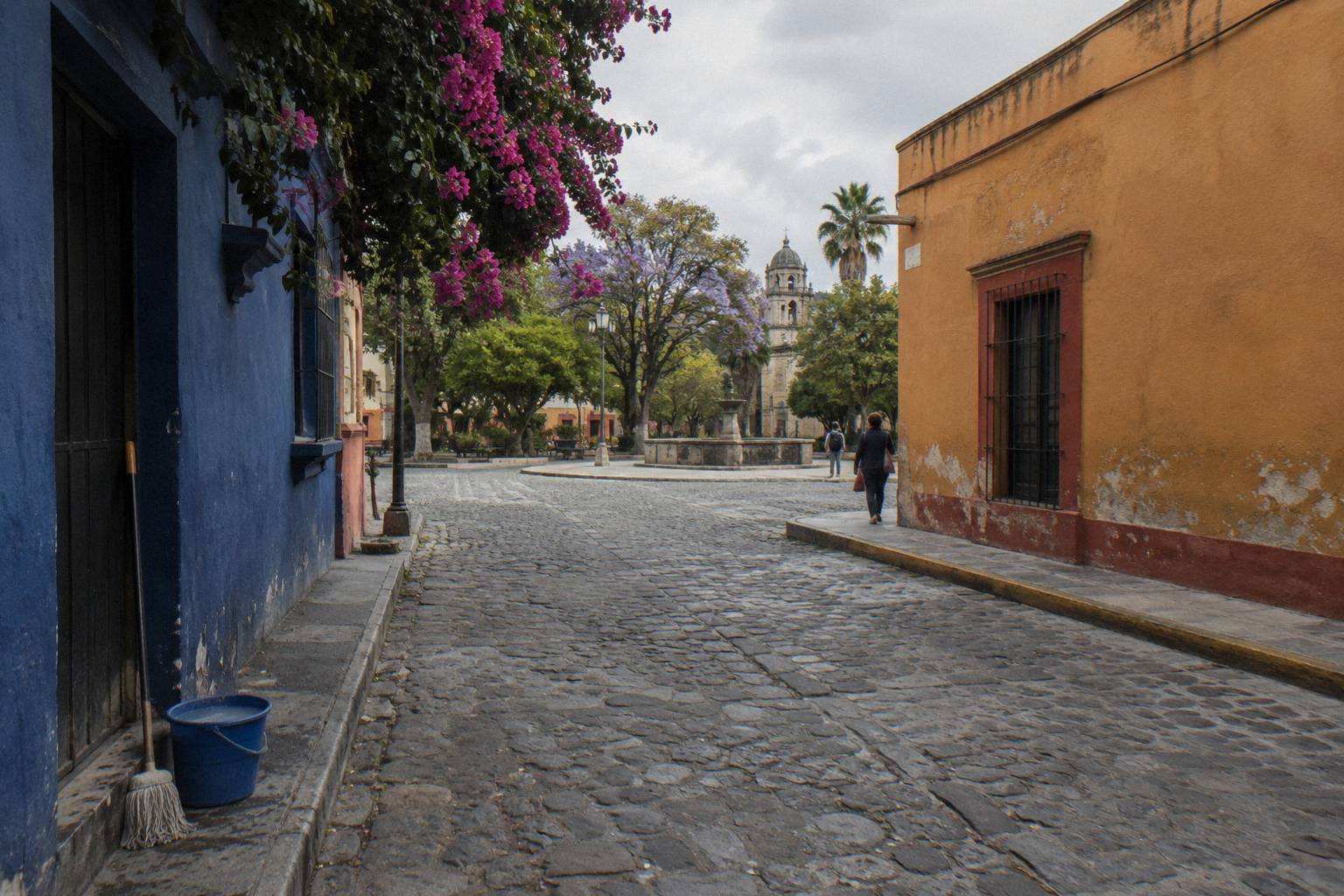
The center of Oaxaca is unusually kind to walkers. The Zócalo and the Alameda de León are open public squares with no ticket of any kind, and the Andador Macedonio Alcalá runs as a pedestrian street from that pair toward the Santo Domingo complex. That single line, square to church, is the spine of the city's fame, and it is exactly the ground the Centro Histórico And Santo Domingo walks work over. A tour gives it structure: the buildings, the streets and the stories behind them, with a guide who can answer questions as you go.
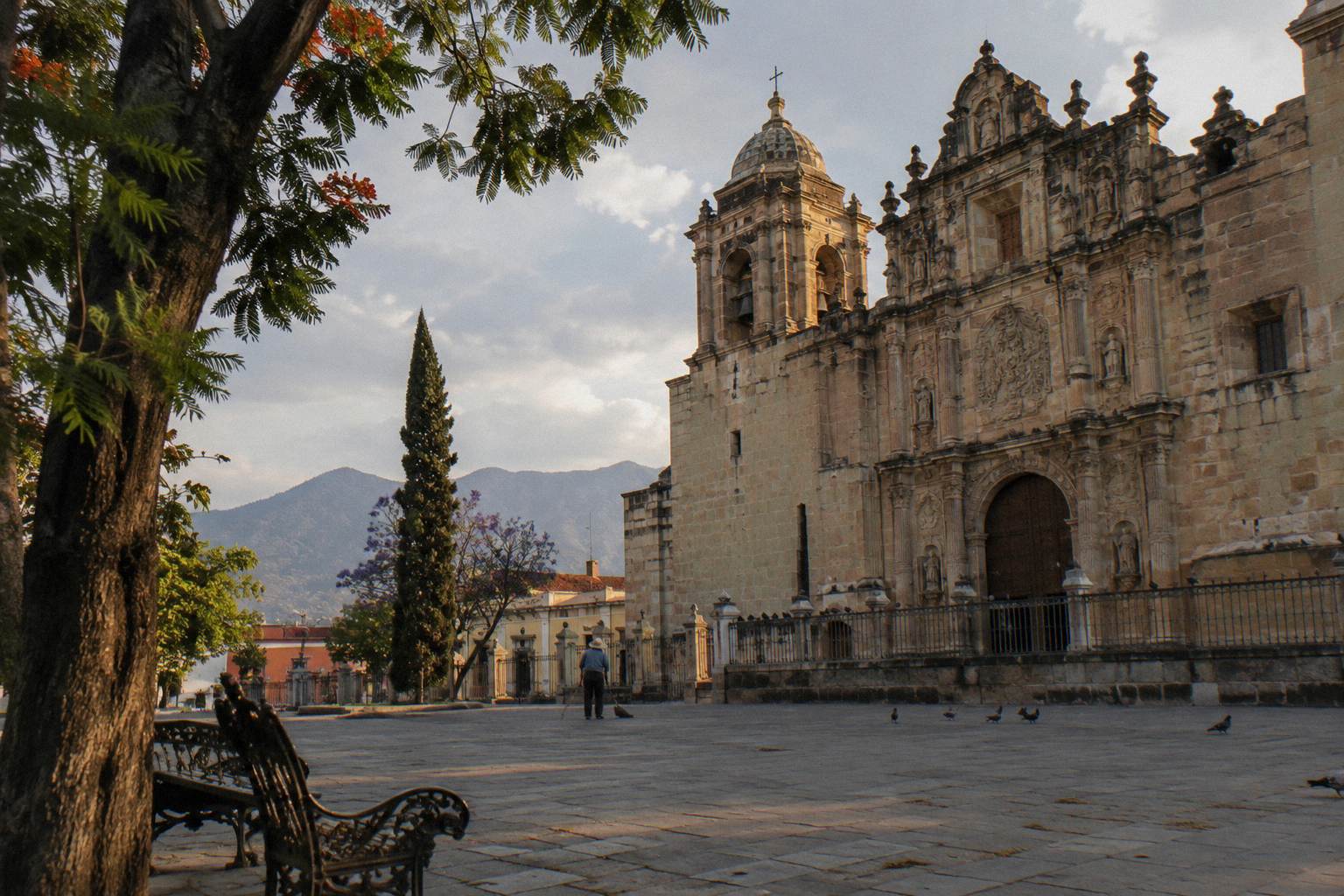
Santo Domingo deserves its own sentence because it is three things at once. Entering the Templo de Santo Domingo de Guzmán itself is free, as a public church. The Museo de las Culturas de Oaxaca in the ex-convent beside it is a ticketed INAH museum, 210 MXN for foreign adults. The Jardín Etnobotánico behind it admits visitors on guided visits only, with no self-guided entry, and the state government describes those guided tours as free. A walking tour gets you the church and the exteriors; the museum and the garden are separate decisions with separate rules.
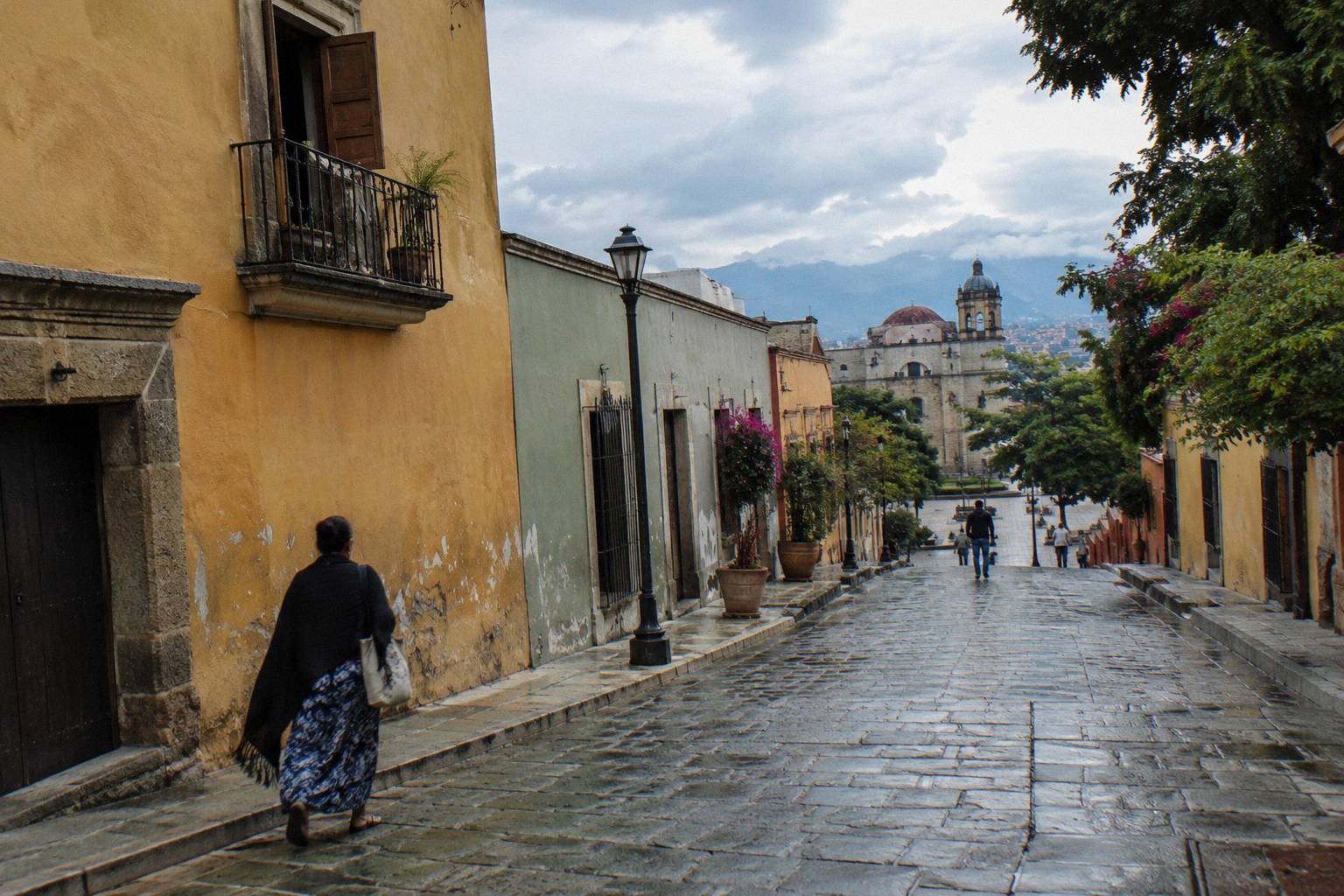
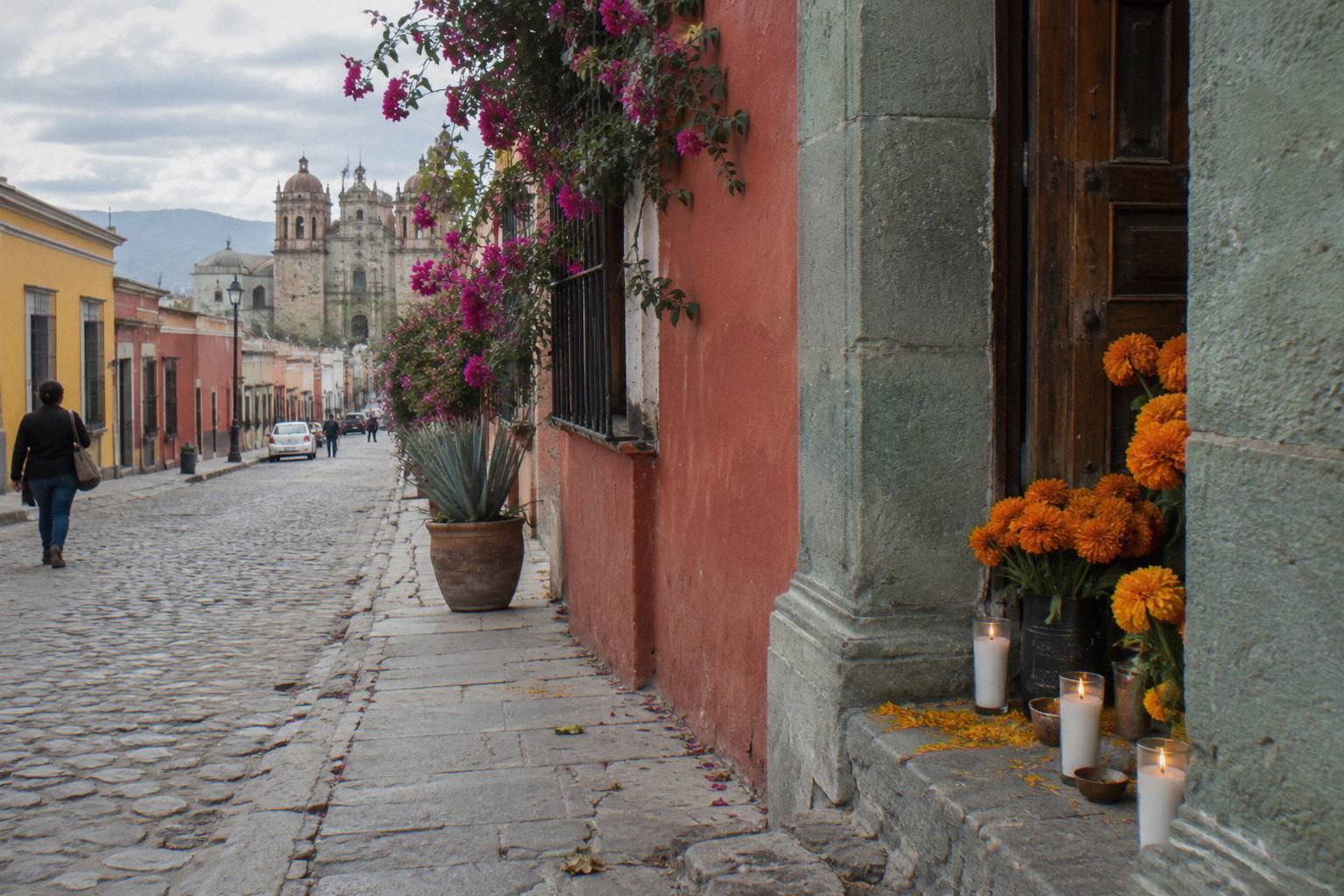
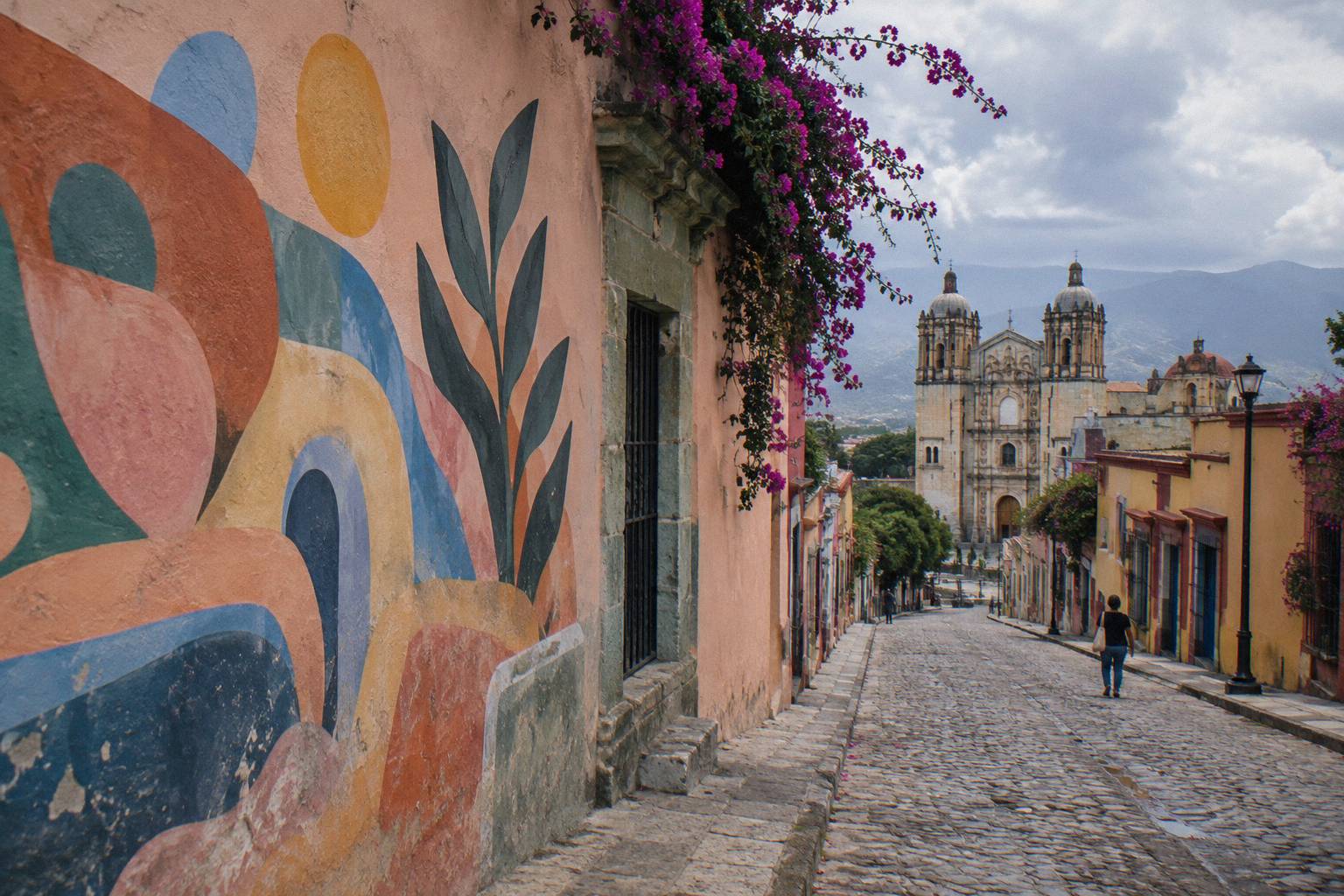
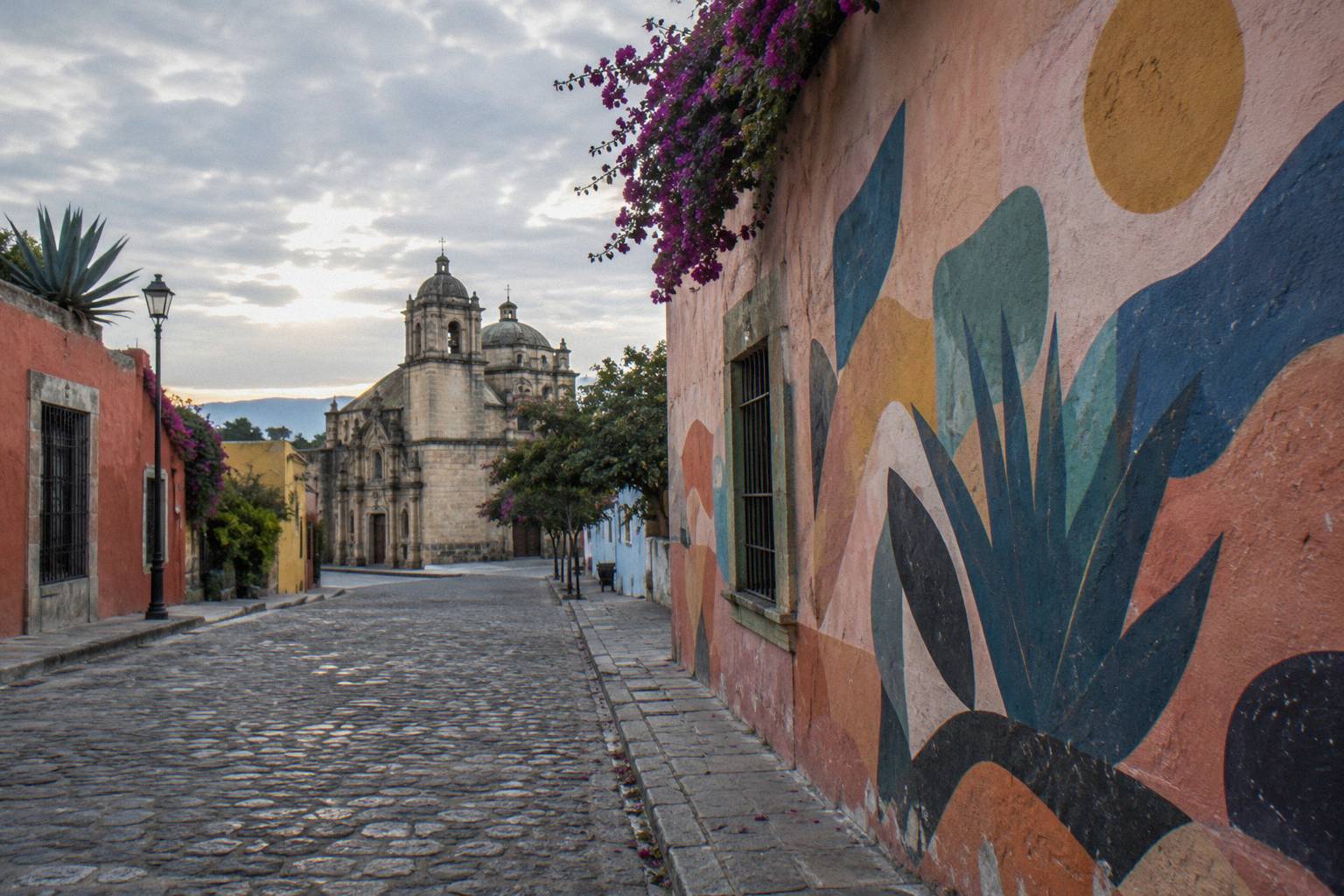
Beyond the center, the city's other famous faces are neighbourhood-sized. Jalatlaco is known for its street murals, and the Jalatlaco And The Street Murals walks take that as their whole subject. Xochimilco, west of the center, holds its own chapel square and aqueduct arches, and the Xochimilco And The Markets walks start from there. None of this requires deep background knowledge to enjoy, which is partly why the free tour format works so well here: the city's highlights are visual, outdoor and free to look at, and a guide adds the context.
Templo de Santo Domingo de GuzmánFree
Entering the church is free (public church). The ex-convent museum next door is ticketed.
If the question is which walk to start with, the Free Things To Do In Oaxaca homepage lists all of the options side by side. The natural first pick for the classic highlights is the walk run by Free Tour Europe, meeting at Jardín El Pañuelito: rated 4.9 out of 5 across 271 GuruWalk reviews, 2 hours, in English and Spanish. Its GuruWalk page states its own meeting details and language options. For a reader planning a first day, the historic center route guide breaks the same streets down street by street.
The other center walks differ in angle rather than in ground. Around Oaxaca City: A Walk Through Time and Culture starts from Plaza de la Cruz de Piedra in Xochimilco and runs 2 hours 30 minutes in English and Spanish, rated 4.99 out of 5 across 496 GuruWalk reviews. Essential Oaxaca: History, Art, and Tips from a Local Guide meets at the Museo de los Pintores Oaxaqueños and runs 2 hours in the same two languages. Local Secrets, 2 hours 30 minutes, is English only and meets at the Teatro Macedonio Alcalá. Which one fits depends on language, duration and meeting point, all stated facts on each walk's page.
“We had a wonderful time exploring Oaxaca with Abel today! He shared so much about the city’s history, traditions, and local culture, along with some great tips. The tour was both interesting and fun. Highly recommend!”
Free in the center: the Zócalo and Alameda de León, the Andador Macedonio Alcalá, entering the Templo de Santo Domingo de Guzmán, the central churches, and walking into every market. Paid: the Museo de las Culturas de Oaxaca at 210 MXN for foreign adults, and the INAH sites outside the city, Monte Albán and Mitla, at 210 MXN each for foreign adults. The Jardín Etnobotánico sits between the two, free but guided visits only.
A table makes the split easier to follow. Oaxaca's famous highlights divide into public spaces anyone can walk, churches with no entry charge reported, and a set of ticketed museums and archaeological zones that no free tour removes the cost of. The table below states each one plainly, with the figure a foreign adult actually pays.
Highlight
Free or paid
The detail
Zócalo and Alameda de León
Free
Public squares, no ticket
Andador Macedonio Alcalá
Free
Pedestrian street, no ticket
Templo de Santo Domingo de Guzmán
Free
Public church, entering is free
Jardín Etnobotánico
Free, guided only
No self-guided entry; state government describes the guided tours as free
Museo de las Culturas de Oaxaca
Paid
Foreign adults 210 MXN, in the Santo Domingo ex-convent
Monte Albán
Paid
Outside the city; foreign adults 210 MXN
Mitla
Paid
Outside the city; foreign adults 210 MXN; 730 MXN outside normal hours
Markets (20 de Noviembre, Benito Juárez, Abastos, Tlacolula)
Free to enter
Food and goods are paid
Foreign adult admission at the ticketed highlights, in Mexican pesos, against the central highlights that cost nothing to walk.
Two traps catch visitors on this split. The first is INAH's Sunday free entry. It is real, but it applies to Mexican nationals and residents of Mexico with ID, not to visitors from abroad, who pay the full foreign price at Monte Albán, Mitla and the INAH museums on every day of the week. The INAH site uses the phrase Domingos gratis (mexicanos) on those pages, and the parenthesis is the whole story. The second is the markets. Walking into Mercado 20 de Noviembre, Mercado Benito Juárez, Mercado de Abastos or the Tlacolula Sunday Market costs nothing, and everything you buy inside is paid. A free tour through the markets costs only what you choose to eat.
The walking tours themselves sit entirely on the free side. Every one of the 10 free walking tours in Oaxaca is free, pay what you want, reserved on its GuruWalk page. The murals of Jalatlaco, the church exteriors, the squares and the aqueduct arches of Xochimilco are all outdoors and free to see, which suits a free, pay what you want walking tour. For the fuller picture of how those tours are paid for, whether free walking tours are really free answers it directly.
Mercado de AbastosFree
Walking in is free; very large wholesale market, busiest Saturday.
The best time for the highlights is the dry months, and the best time of day for a walking tour is whatever slot the walk's own GuruWalk page offers, since no walk in this city publishes a fixed schedule here. July brings Guelaguetza, usually the last two Mondays of the month, and early November brings Día de Muertos. Both are festival peaks, and both change what the streets look like.
The festival calendar is the natural starting point, because Oaxaca's fame is partly a calendar fame. Guelaguetza fills the Auditorio Guelaguetza on Cerro del Fortín, usually on the last two Mondays of July. Sections A and B of that auditorium need tickets; the upper sections C and D are free, first come and unreserved, and the hill park of Cerro del Fortín itself is a free public space with no ticket at any time of year. A free walking tour during the festival period gives you the city streets; the auditorium is a separate plan.
Día de Muertos, at the start of November, is the other peak. The public cemeteries and the street altars are open without tickets, as families' own vigils. The month by month detail, including what changes in the streets, is covered in the best month for a walking tour guide. What matters here is that both festivals draw people to the same free highlights a walking tour covers, so the squares and the pedestrian street carry more life, and more visitors, at those times. The state government's pages are the source for festival program details.
Outside the festivals, the choice is simpler. The highlights are outdoor and walkable, and the tour format is 2 hours to 2 hours 30 minutes, so any slot the walk's page offers is workable. Some practical points that are grounded in the data: the city sits at altitude, which affects how a walking tour feels for some visitors, and what to bring is covered in what to wear on a walking tour in Oaxaca. Neither changes the highlights; both change how comfortable the two hours are.
One caution on timing: each walk's departure schedule is given only on its own GuruWalk page, nowhere else. Meeting points, durations and languages are fixed facts; times and dates of departures live on the walk's page, and that is where to read them.
Where Do Free Walking Tours Meet Nearby?
The center walks meet at points spread across the historic core: Cosijoeza 110A in the Centro, Jardín El Pañuelito, the Museo de los Pintores Oaxaqueños, the Teatro Macedonio Alcalá and ARIPO next to the fountain. The Jalatlaco walks meet either at Cosijoeza 110A or at the Iglesia de San Matías Jalatlaco, and the market walks meet at Café Kapel Nana and Eden MiniGalería or Plaza de la Cruz de Piedra in Xochimilco.
Meeting points are the one hard fact every walk publishes, and they cluster into three groups that map onto the city's famous areas. The table below lists each of the 10 free walking tours in Oaxaca with its meeting point, duration, languages and rating, every figure from its GuruWalk listing.
Walk
Meets at
Duration
Languages
Rating
Centro And Santo Domingo Route
Cosijoeza 110A, Centro
2 hours
English and Spanish
4.63 out of 5, 1,165 reviews
Xochimilco Start, Through Time
Plaza de la Cruz de Piedra, Xochimilco
2 hours 30 minutes
English and Spanish
4.99 out of 5, 496 reviews
Professional Guide By Free Tour Europe
Jardín El Pañuelito
2 hours
English and Spanish
4.9 out of 5, 271 reviews
Essential History And Art Walk
Museo de los Pintores Oaxaqueños
2 hours
English and Spanish
4.63 out of 5, 190 reviews
Local Secrets From Macedonio Alcalá
Teatro Macedonio Alcalá
2 hours 30 minutes
English
4.59 out of 5, 99 reviews
Kactus Introduction Walk
ARIPO, next to the fountain
2 hours 30 minutes
English and Spanish
4.72 out of 5, 64 reviews
Street Art Of Jalatlaco
Cosijoeza 110A, Centro
2 hours
English
4.91 out of 5, 636 reviews
Jalatlaco Murals And Art Workshops
Iglesia de San Matías Jalatlaco
2 hours
English and Spanish
4.93 out of 5, 96 reviews
Markets, History And Art Walk
Café Kapel Nana and Eden MiniGalería
2 hours
English and Spanish
5 out of 5, 28 reviews
Aztec Roots And Chocolate
Plaza de la Cruz de Piedra, Xochimilco
2 hours
English and Spanish
4.78 out of 5, 23 reviews
Every rating above is a GuruWalk rating out of 5, and the review count sits beside it because a 5 out of 5 from 28 reviews is a different fact from a 4.63 out of 5 across 1,165 reviews. The largest review pool by far belongs to Centro And Santo Domingo Route, which meets at Cosijoeza 110A in the Centro, runs 2 hours in English and Spanish, and carries 4.63 out of 5 across 1,165 GuruWalk reviews. Free Walking Tour Oaxaca by locals, rated 4.63 out of 5 across 1,165 GuruWalk reviews, is the natural choice if a long track record matters to you. Its GuruWalk page carries the full description and reservation.
Two walks share the Cosijoeza 110A meeting point: By Locals and the Jalatlaco Street Art walk, which is English only, 2 hours, rated 4.91 out of 5 across 636 GuruWalk reviews. The second Jalatlaco option meets inside the neighbourhood itself, at the Iglesia de San Matías Jalatlaco, and runs 2 hours in English and Spanish, rated 4.93 out of 5 across 96 reviews. The street art side of the city has its own deeper page, the street art and murals routes guide, for readers whose main interest is the murals rather than the center.
The Xochimilco side is where the market theme begins. Around Oaxaca City, A Walk Through Time and Culture meets at Plaza de la Cruz de Piedra in Xochimilco, runs 2 hours 30 minutes in English and Spanish, and is rated 4.99 out of 5 across 496 GuruWalk reviews, the highest rating among the Centro Histórico And Santo Domingo walks. It is a good fit for a reader who wants the longer format and a neighbourhood start rather than a Zócalo side start.
Mistakes That Trip People Up At The Highlights
The most common mistakes are treating paid parts as free: assuming the ex-convent museum is free because the church beside it is, assuming INAH Sunday free entry applies to foreign visitors, and assuming Monte Albán or Hierve el Agua can be folded into a city walk. Each of those is wrong in a specific, checkable way, and each mistake costs money or a morning.
The Santo Domingo mistake is the most common. A visitor hears that Santo Domingo is free, walks into the church correctly, then assumes the Museo de las Culturas de Oaxaca in the ex-convent or the Jardín Etnobotánico behind it follow the same rule. They do not. The museum is a ticketed INAH site, 210 MXN for a foreign adult, and the garden admits visitors on guided visits only, with no self-guided entry, described as free by the state government. Three facts, one complex, and mixing them is how people budget wrong.
The Sunday mistake follows the same pattern. INAH's free Sunday entry at Monte Albán, Mitla, Yagul and the INAH museums is for Mexican nationals and residents of Mexico with ID. Visitors from abroad pay the foreign price, 210 MXN at Monte Albán and Mitla, on Sunday as on every other day. Planning a Sunday ruins trip around a free entry that does not apply to you is a costly error, and it is entirely avoidable by reading the eligibility line rather than the headline.
“Was an interesting tour with Julio. He knows a lot about the city, Mexican history and culture. We happened to be just the two of us, so he fully adapted to our intrests!”
The distance mistake is the third. Monte Albán, Mitla, Hierve el Agua, El Tule and the Tlacolula Sunday Market all lie outside the city. None of them is a walk from the Zócalo, and no free walking tour in this city covers them. Hierve el Agua and the Árbol del Tule churchyard are also community-charged, not free, and the Tule fee is a small per-person amount to get close to the tree. The city's highlights are free and walkable, the great sites beyond it are ticketed and require transport, and no walking tour changes that. For a plan that combines both, a three day itinerary built around free walking tours is the practical choice.
A final, smaller mistake: writing off the markets as shopping. Walking into Mercado 20 de Noviembre or the Tlacolula Sunday Market costs nothing, and the walks in the Xochimilco And The Markets category treat them as sights in their own right. The markets on a free walking tour guide covers what to expect before you go, including the free-to-enter, paid-to-eat split.
Monte AlbánPaid
Ticketed INAH archaeological zone. No free entry for visitors from abroad.
Museo de las Culturas de OaxacaPaid
Ticketed INAH museum in the Santo Domingo ex-convent.
Common Questions About What Oaxaca Is Known For
What Is Oaxaca Most Known For?
Oaxaca is most known for its walkable historic center, the Templo de Santo Domingo de Guzmán, the Andador Macedonio Alcalá pedestrian street, its markets and street food, the murals of Jalatlaco, and the festivals of Guelaguetza in July and Día de Muertos in early November. A free walking tour of about 2 hours covers the central highlights, all of which are free public spaces.
Can A Free Walking Tour Cover The Main Sights?
Yes. The 10 free walking tours in Oaxaca cover the historic center, Jalatlaco and the murals, and Xochimilco and the markets, each in 2 hours to 2 hours 30 minutes. The squares, the pedestrian street, the church and the murals are all free to see, so the tour format works without an entry budget. Ticketed sites like the ex-convent museum are separate.
Is The Santo Domingo Church Free To Enter?
Entering the Templo de Santo Domingo de Guzmán is free, as a public church. The Museo de las Culturas de Oaxaca in the ex-convent beside it is ticketed, 210 MXN for foreign adults. The Jardín Etnobotánico behind it admits visitors on guided visits only, with no self-guided entry, and the state government describes those tours as free.
Is Monte Albán Free On Sundays?
No, not for visitors from abroad. INAH's free Sunday entry at Monte Albán, Mitla and the INAH museums applies to Mexican nationals and residents of Mexico with ID. Foreign adults pay 210 MXN at Monte Albán and Mitla on every day, Sunday included. Monte Albán also lies outside the city, so it is not part of any city walking tour.
How Much Do The Free Walking Tours Cost?
Every one of the 10 free walking tours in Oaxaca is free, pay what you want, and no walk carries an extra cost. You reserve a place on the walk's GuruWalk page. No amount is published for what to pay at the end; the model leaves that to each walker, and no figure on this page should be read as a suggested one.
Do The Walking Tours Run In English?
Every walk in the city's line-up runs in English, and most also run in Spanish. The exceptions are stated on each walk's GuruWalk page: Local Secrets is English only, as is the Jalatlaco Street Art walk. Check the language line on the walk's own page before reserving, since it is the fact that decides the fit.
Want A Guide Through The Famous Center?
Professional Guide By Free Tour Europe is free, pay what you want and meets at Jardín El Pañuelito. It runs 2 hours in English and Spanish. Reserve a spot on GuruWalk and pay the guide what you think it was worth at the end.