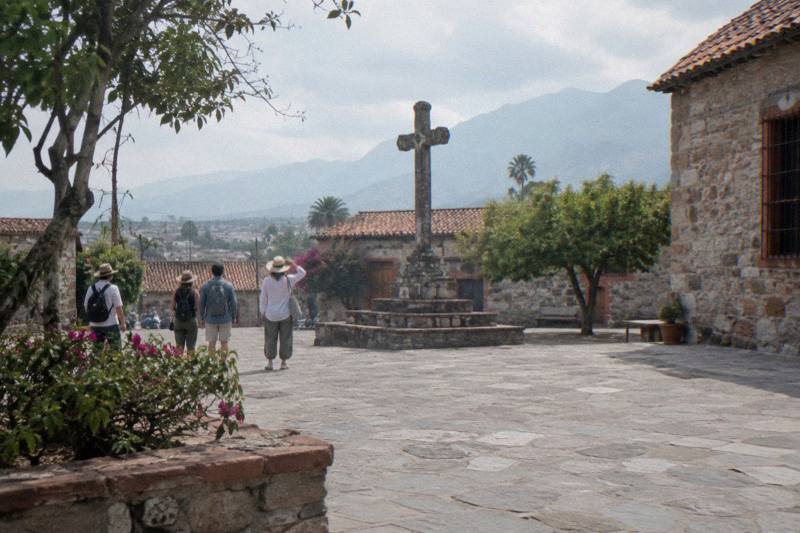
Is Oaxaca A Walkable City? How A Free Walking Tour Helps
Is Oaxaca a walkable city? A direct answer from the free side: the pedestrian streets, squares, churches and meeting points of the 10 free walking tours, and what actually costs money.
In Short
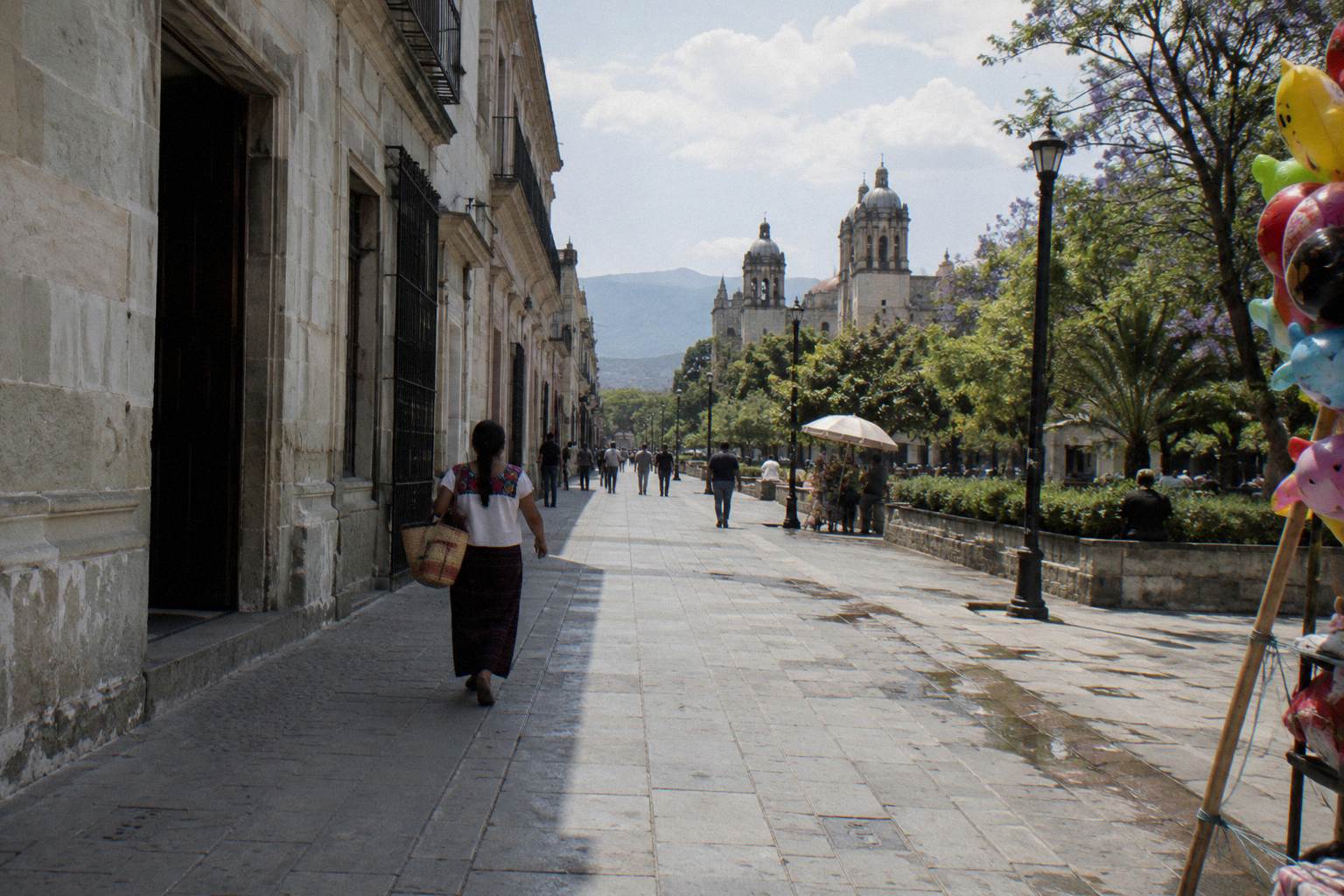
Yes. Oaxaca's historic core is compact, flat in its centre, and organised around public squares and a pedestrian street that join the main sights without a vehicle. The Zócalo, Alameda de León, Andador Macedonio Alcalá, the Templo de Santo Domingo de Guzmán and the central churches are all free to walk into or through, and the 10 free walking tours in Oaxaca all meet inside this walkable core. Walking is not just possible here, it is the standard way the city is seen.
This question sits inside the free walking tours and how they work guide.
Quick Facts
| Question | The short of it |
|---|---|
| Is the historic centre walkable? | Yes. The Zócalo, Alameda de León and Andador Macedonio Alcalá are public pedestrian spaces with no ticket. |
| Can you walk into churches free? | The Templo de Santo Domingo de Guzmán and the Catedral report no entry charge; the ex-convent museum beside Santo Domingo is ticketed at 210 MXN for foreign adults. |
| Is Cerro del Fortín walkable? | It is a free public hill park above the city, open to the public. |
| Do the free walks meet in the walkable core? | All 10 free walking tours meet at central points such as Cosijoeza 110A, Jardín El Pañuelito and Teatro Macedonio Alcalá. |
| What do the walks cost? | Every walk is free, pay what you want, reserved on GuruWalk. |
Is Oaxaca A Walkable City? How A Free Walking Tour Helps
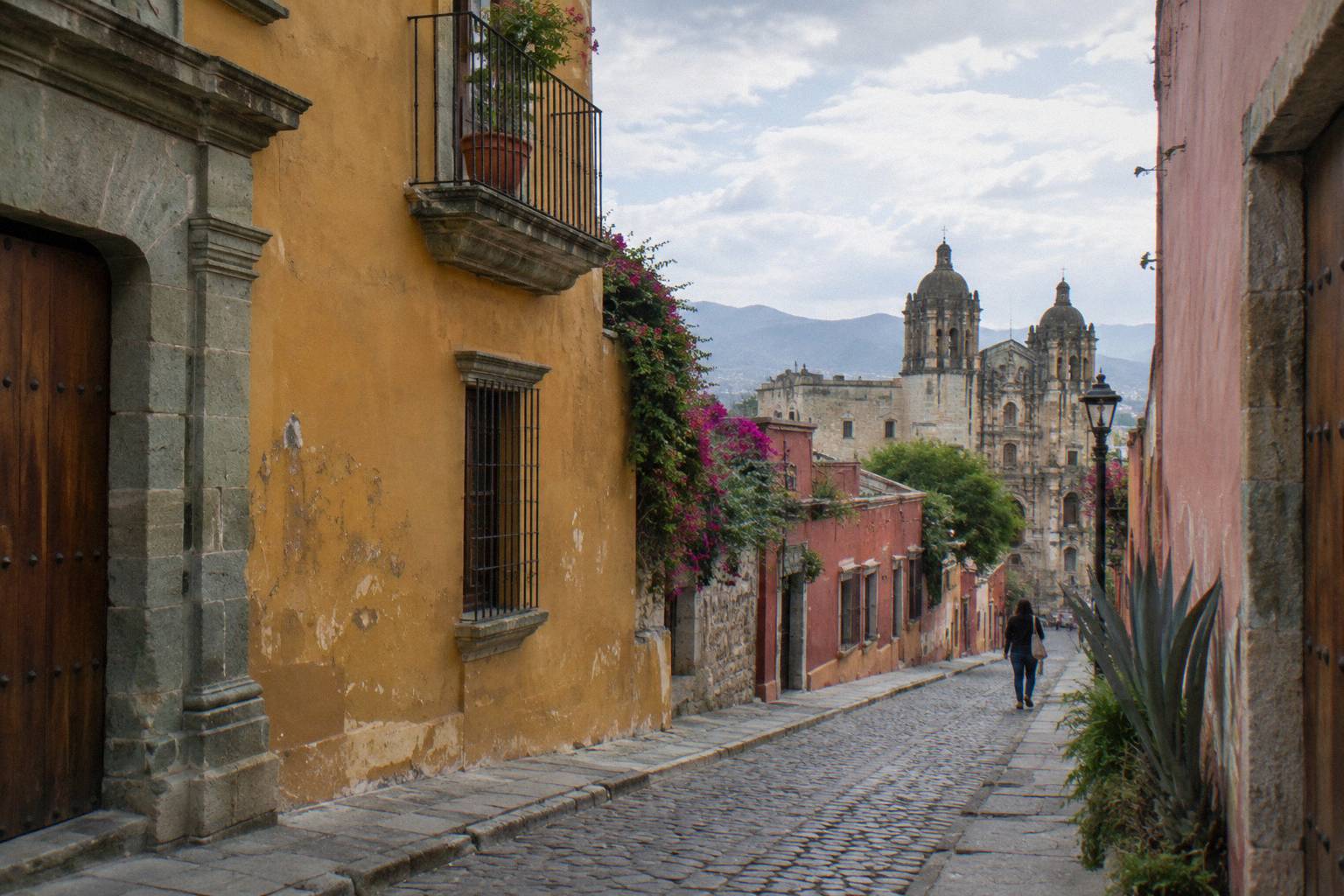
Yes, Oaxaca is a walkable city, and that is exactly why a free walking tour works so well here. These tours are built around the fact that the city is best experienced on foot, so joining one lets you make the most of Oaxaca's walkability while a guide shows you the way. The places most visitors come for, the Zócalo, the Alameda de León, the Andador Macedonio Alcalá, the Templo de Santo Domingo de Guzmán and the working markets, sit close together in a historic core that people move through on foot. Every one of the 10 free walking tours meets at a central point in this core or in the adjacent barrios of Jalatlaco and Xochimilco. A walkable city is one where the distances between the good parts are short, and Oaxaca passes that test in its centre. The rest of this article takes the question apart square by square.
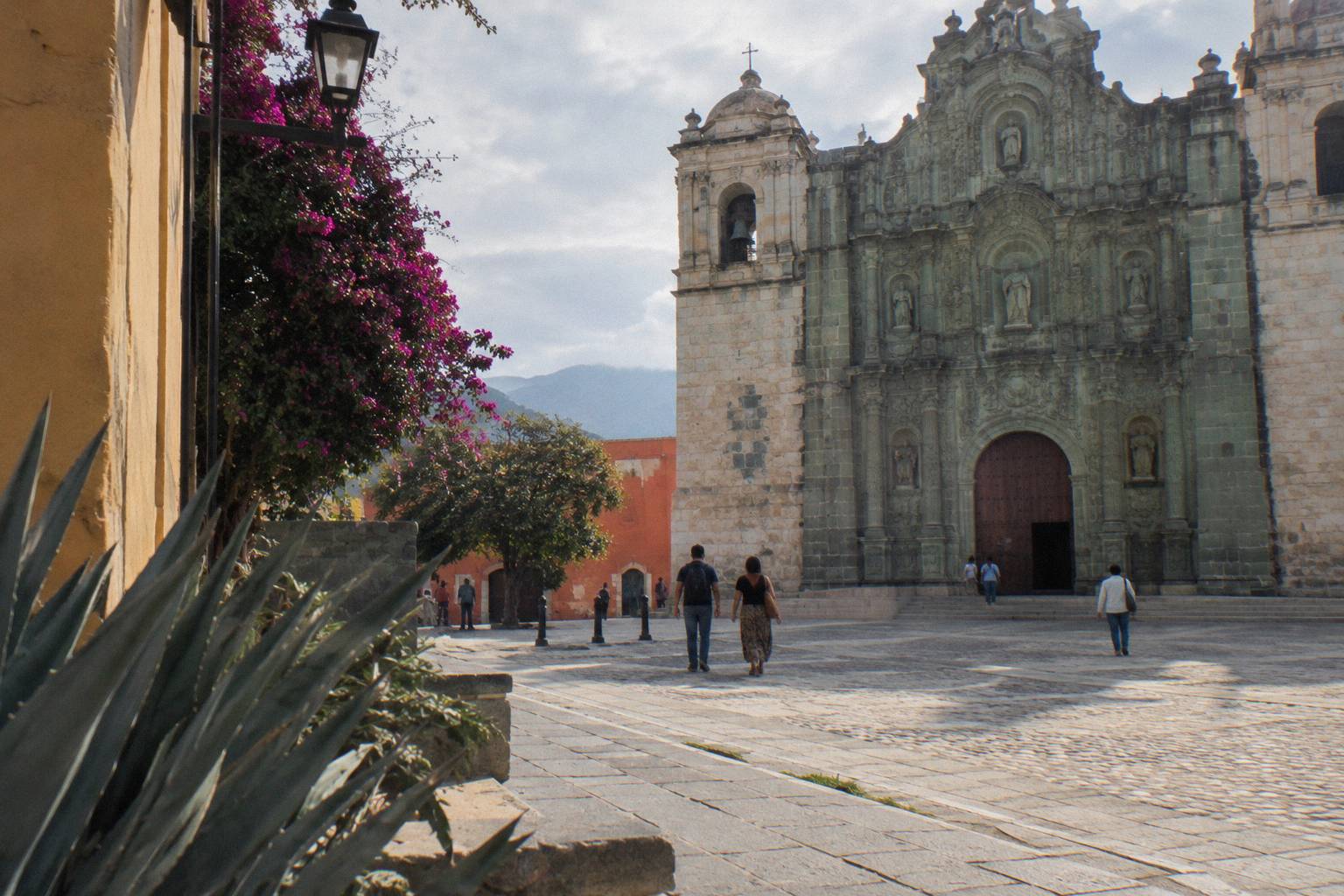
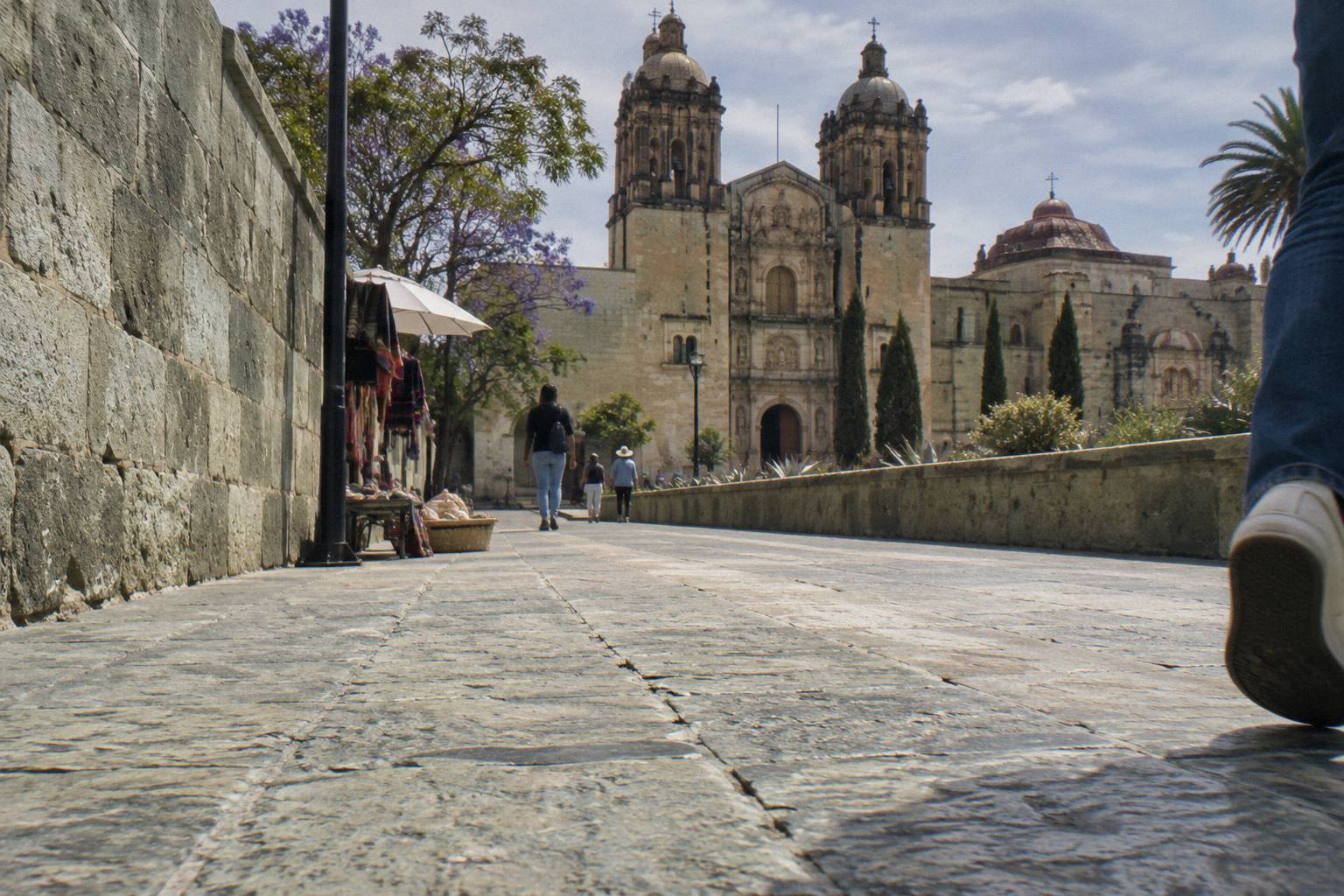
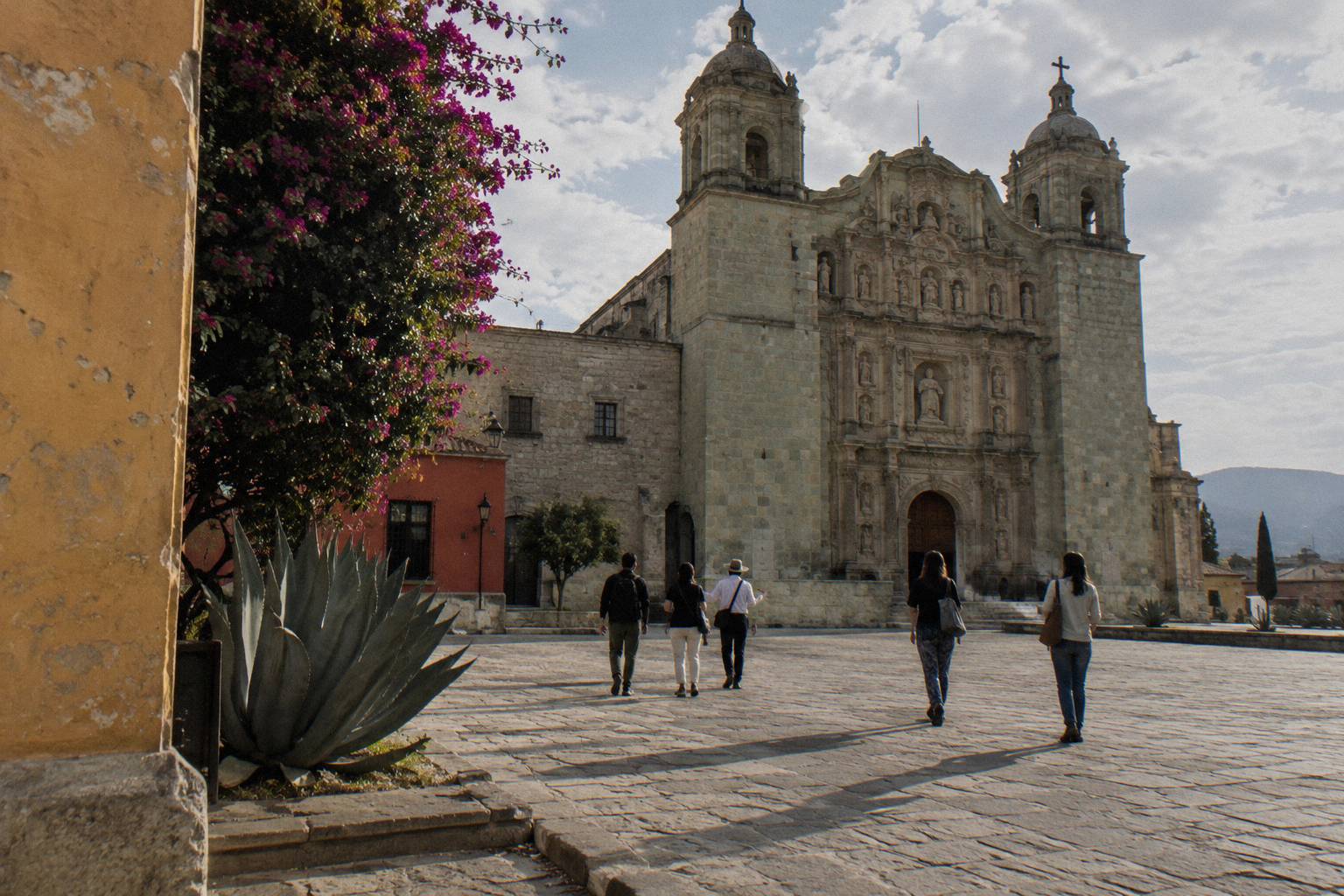
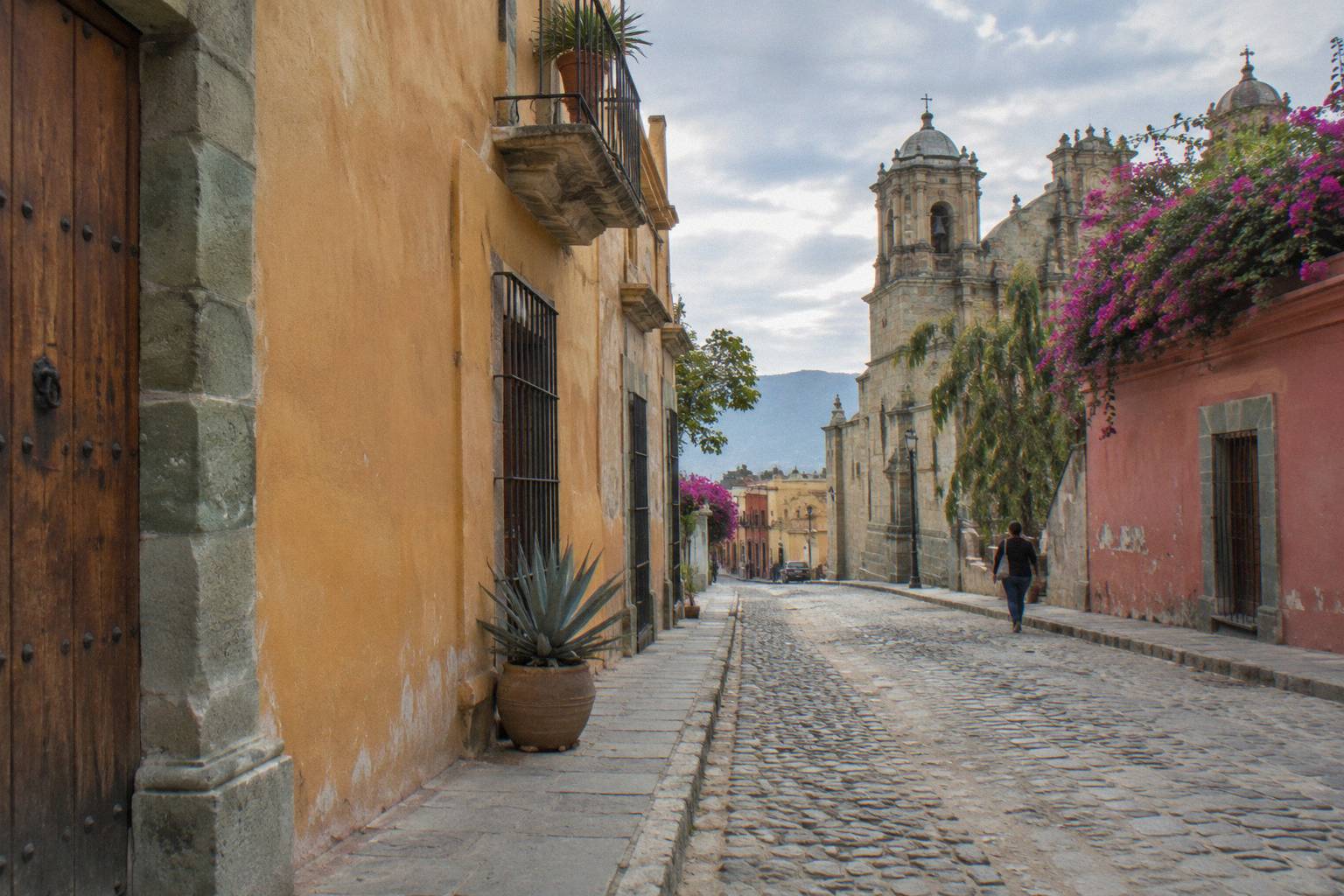
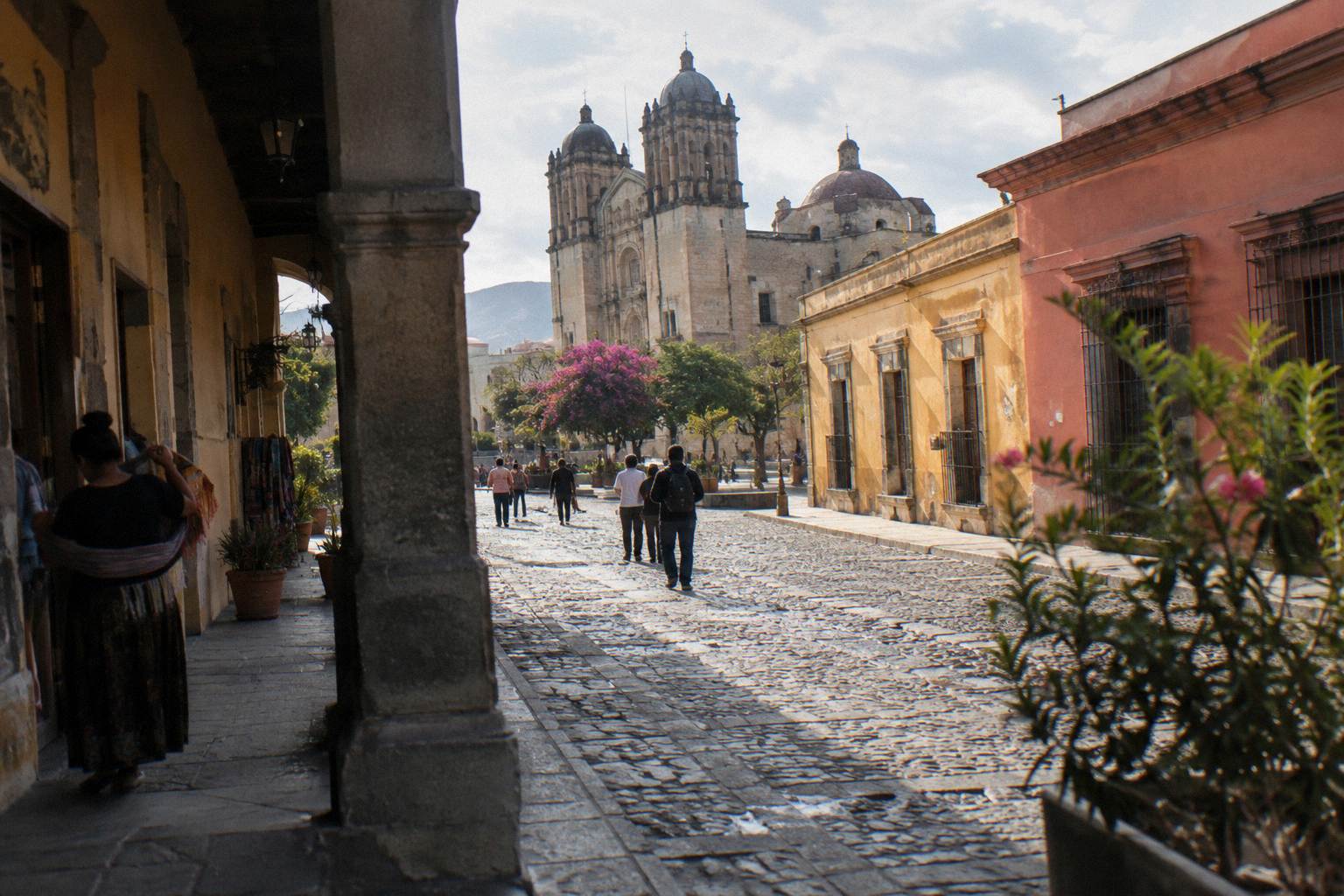
Walkability is really a question about what kind of city Oaxaca is at street level. The answer comes from its public spaces. The Zócalo and the Alameda de León beside it are public squares with no ticket and no barrier, the kind of space a city builds when people are expected to gather in them. The Andador Macedonio Alcalá is a pedestrian street, which means the main north-south spine of the historic centre is closed to through traffic entirely. A visitor standing in the Zócalo can walk the Andador north on foot for its whole length without competing with cars, and the street ends at the Templo de Santo Domingo de Guzmán, a public church where entering is free. That single line, square to pedestrian street to church, is the shape of a walkable city.
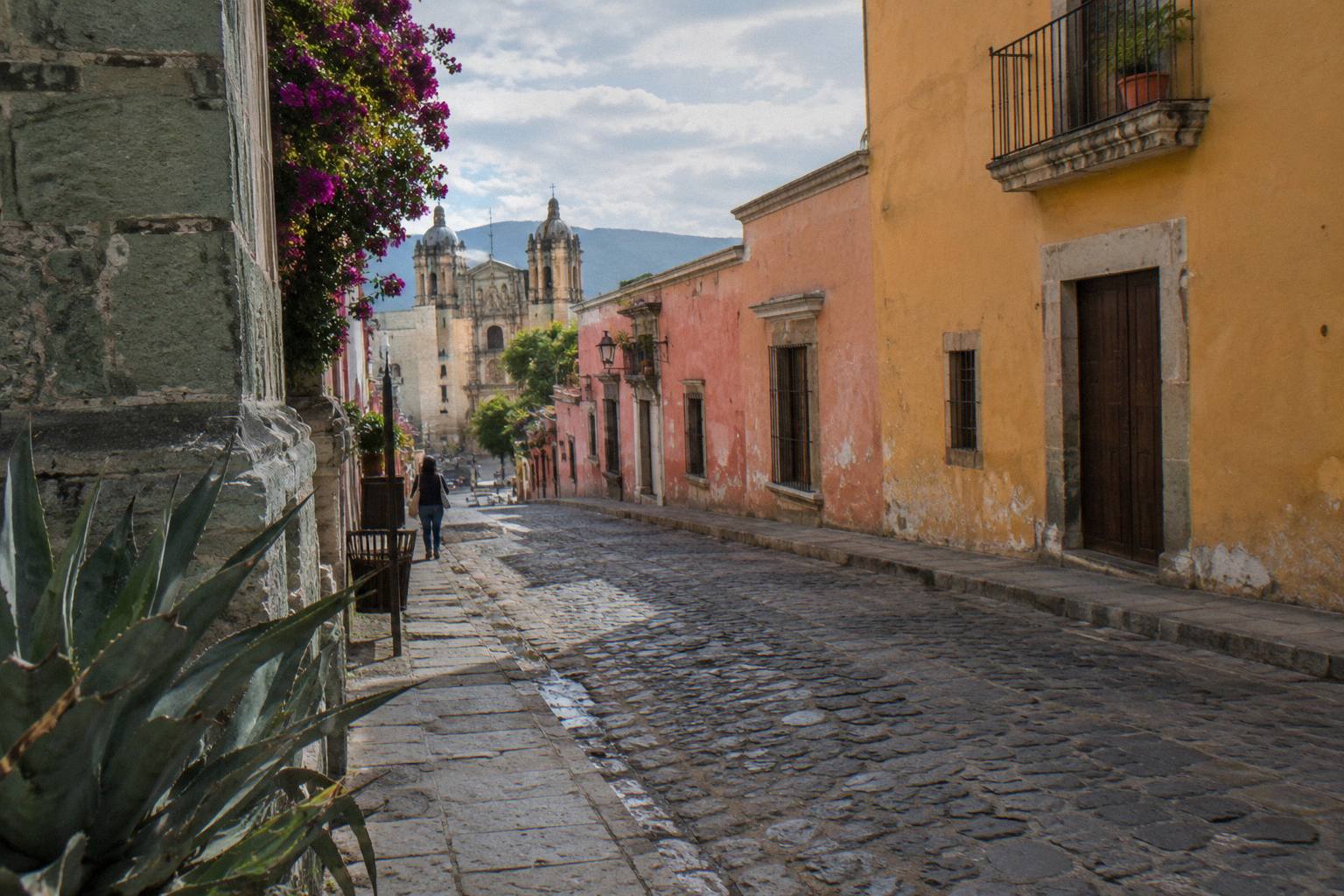
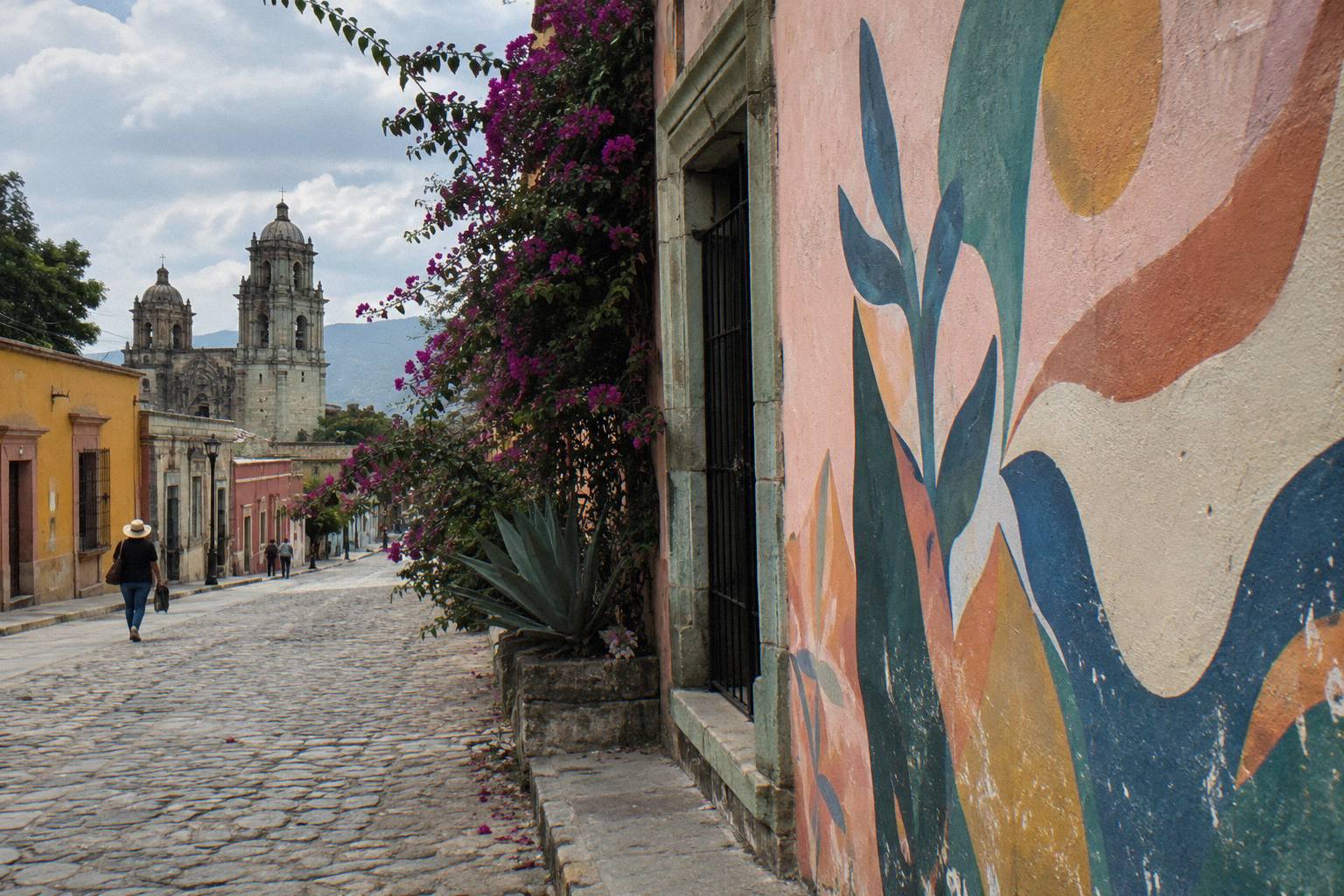
The barrios around the centre extend the same pattern. Jalatlaco and Xochimilco are older neighbourhoods of the city where the free walking tours meet, at the Iglesia de San Matías Jalatlaco in one case and the Plaza de la Cruz de Piedra in Xochimilco in another. These are streets people live on, with murals in Jalatlaco and the colonial aqueduct in Xochimilco as the visible landmarks the walks are named around.
What a free walking tour adds to a walkable city is structure, not transport. On your own you can walk the Andador and see a pretty street. With a guide the same street becomes a sequence, and the city's free layer, the squares, the churches, the market buildings, gets connected into one story instead of a scatter of sights. That is why the pairing works: Oaxaca does not need a tour to be walkable, and a tour does not need a car because Oaxaca is walkable. The two facts feed each other, which is why every walk in the city is a walking tour and not a bus tour.
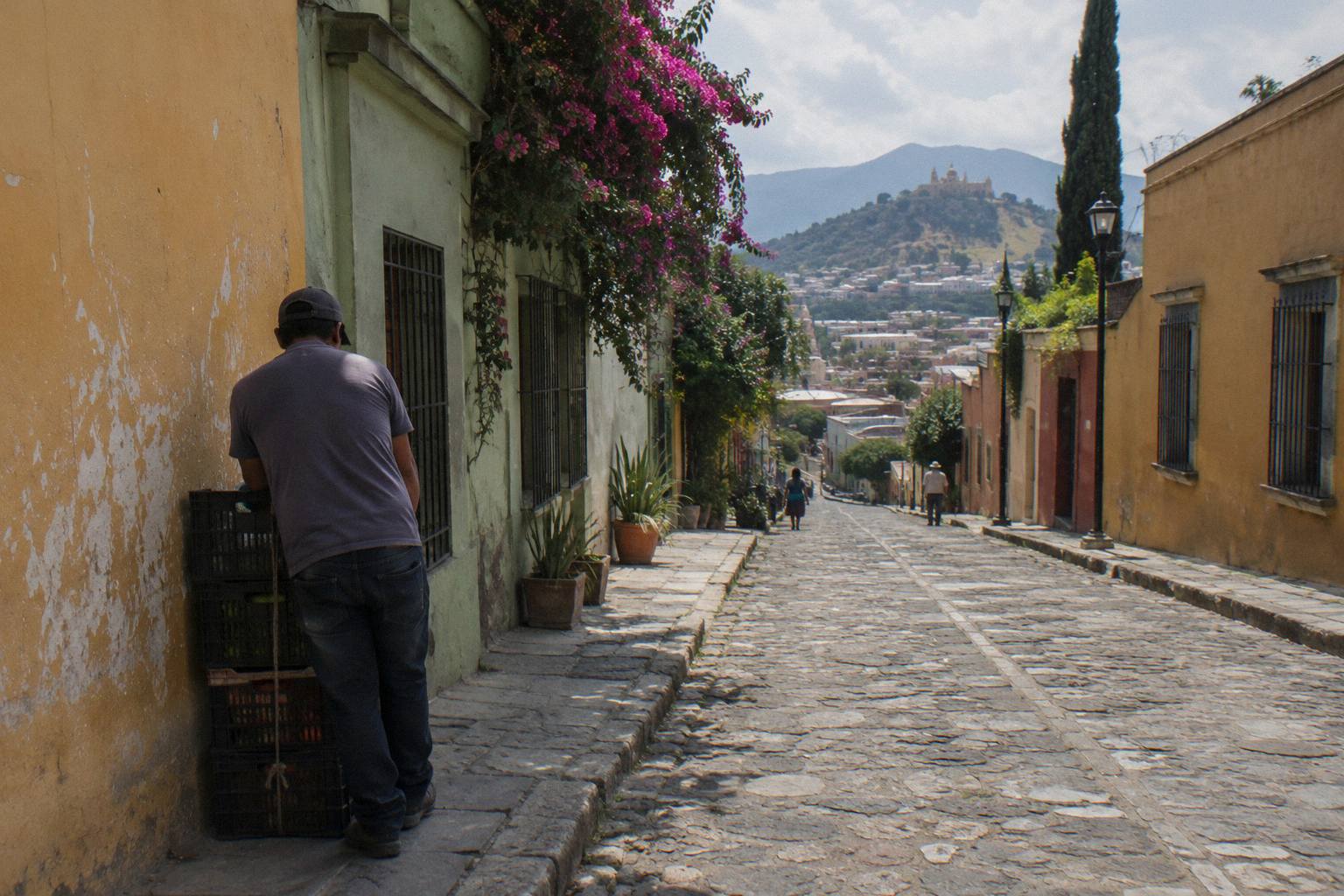
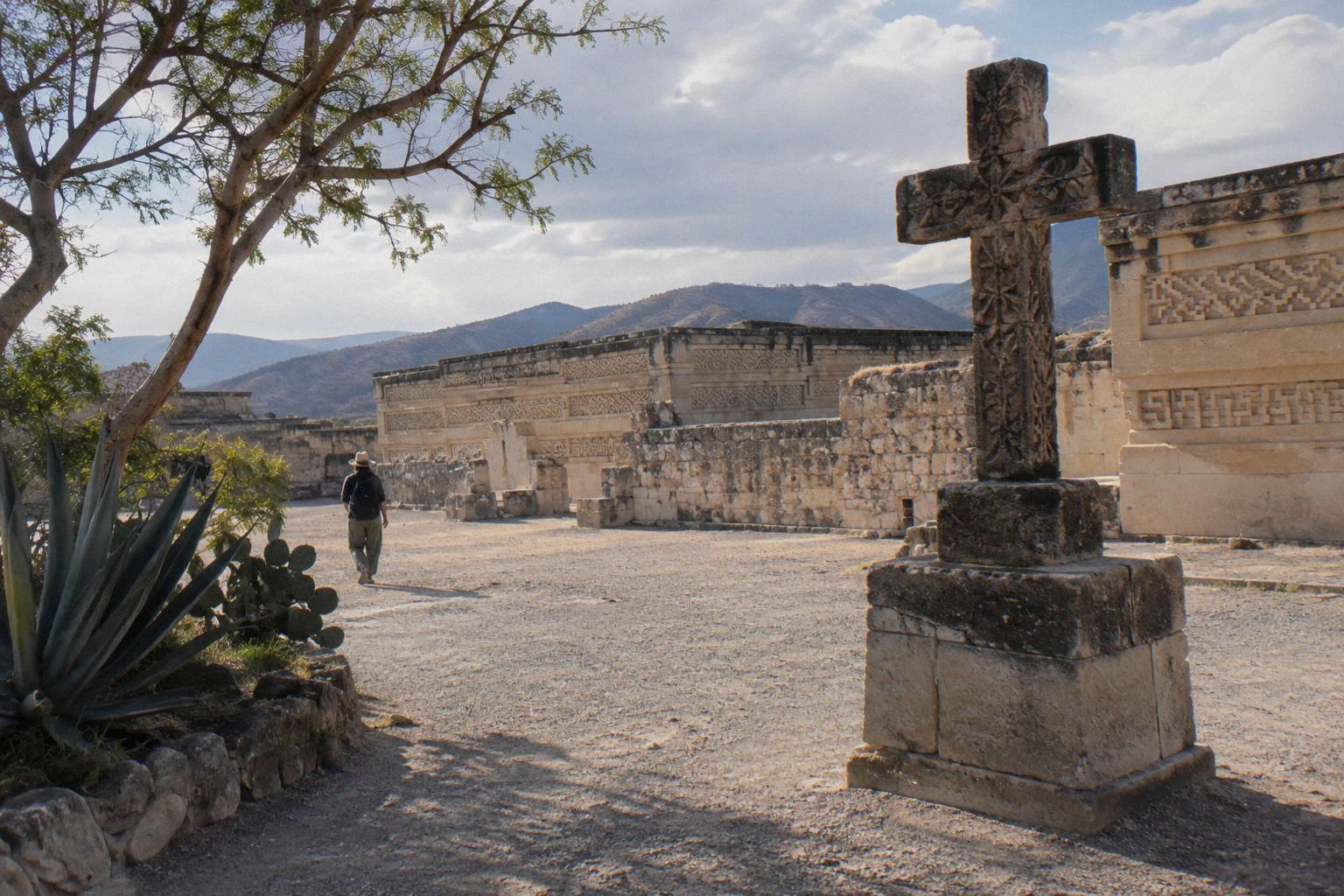
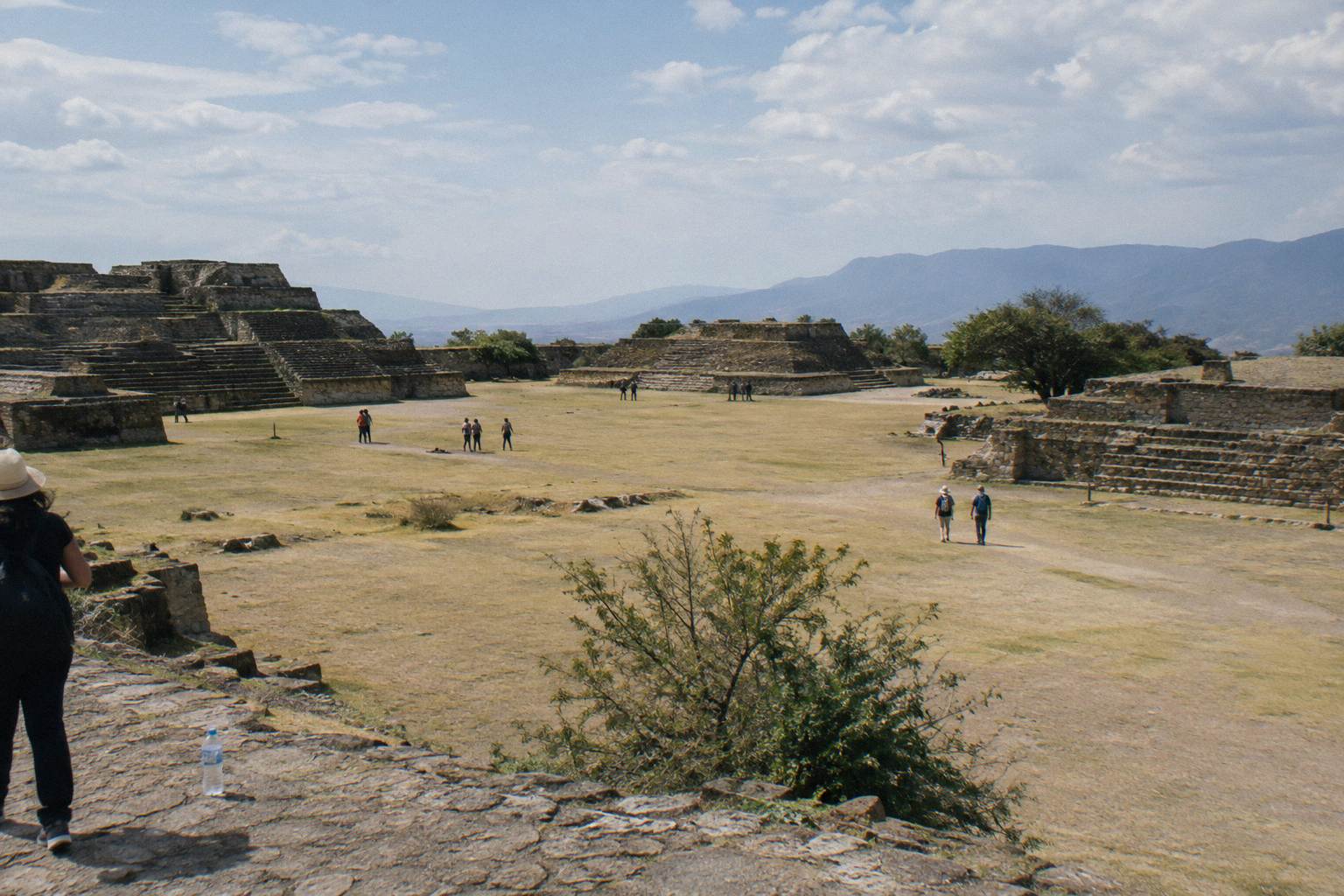
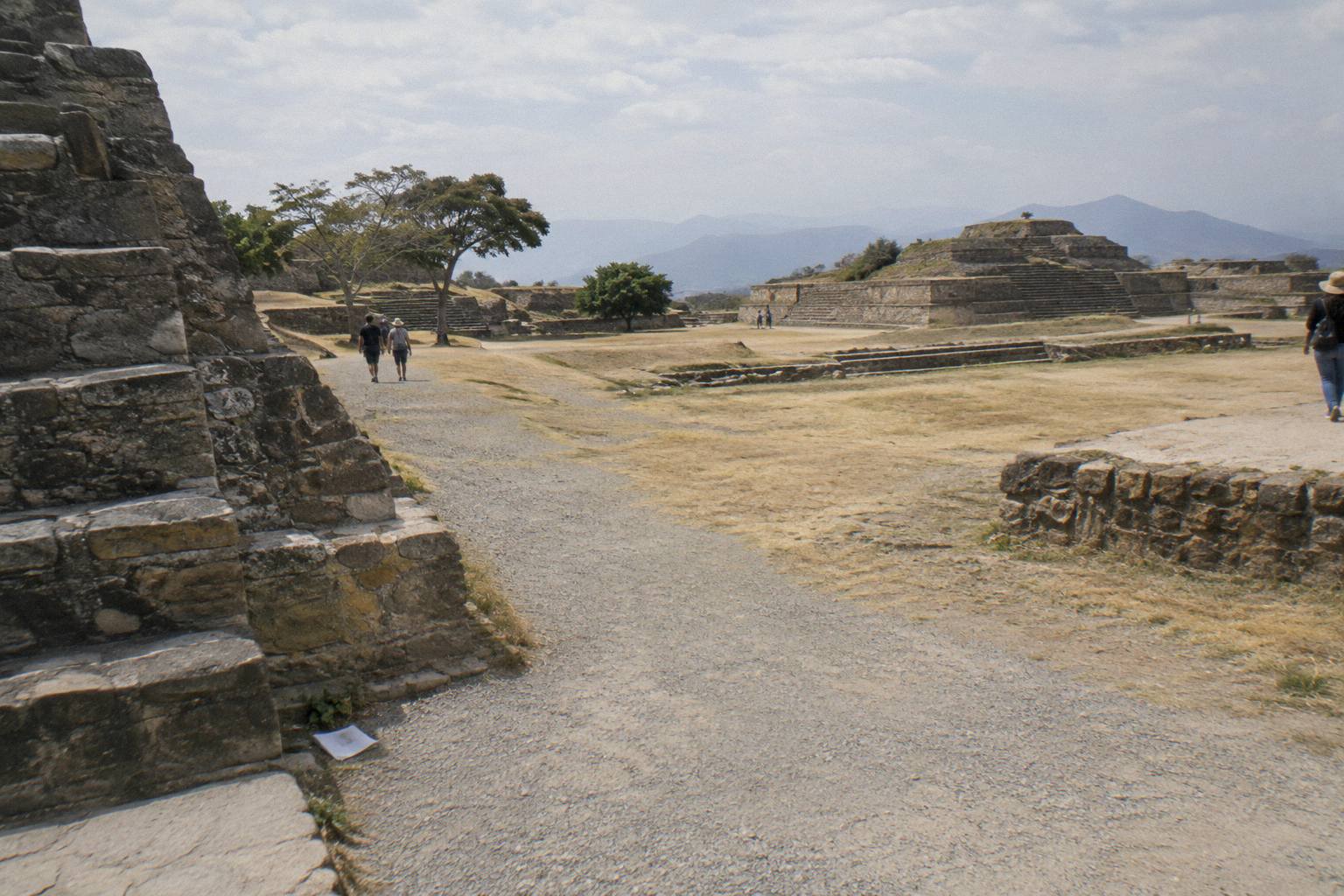
There are limits, and they are worth naming early so you know what to expect. The big archaeological zones, Monte Albán, Mitla and Yagul, lie outside the city and are ticketed INAH sites, so they are not part of any walk from the Zócalo and should never be planned as one. Inside the city, one sight breaks the free pattern deliberately: the Museo de las Culturas de Oaxaca, in the ex-convent beside Santo Domingo, charges 210 MXN for foreign adults even though the church beside it is free to enter. A walkable city still contains paid doors. Knowing which doors are which is most of the planning work.
What Is The Short Answer?
The short answer is yes, with a boundary. Central Oaxaca, the Zócalo, the Alameda de León, the Andador Macedonio Alcalá, the churches, the markets and the barrios of Jalatlaco and Xochimilco, is a compact, walkable core where the free sights sit minutes apart on foot. The boundary is that the famous ruins and Hierve el Agua lie outside the city and involve tickets and transport. Inside the boundary, walking is the whole experience: the 10 free walking tours all operate on foot, all meet at central points, and all last around two to two and a half hours. You do not plan routes around traffic in central Oaxaca, you plan them around plazas.
The free layer of the centre is unusually dense. Start from the Zócalo and the Alameda de León, both public squares with no ticket of any kind. Walk the Andador Macedonio Alcalá, a pedestrian street, which costs nothing by definition. At its end, the Templo de Santo Domingo de Guzmán is a public church where entering is free, a fact worth stating precisely because the ex-convent beside it houses the Museo de las Culturas de Oaxaca, a ticketed INAH museum at 210 MXN for foreign adults. One building free, the next building paid, on the same block. That split is the single most useful thing a visitor can know about the walkable centre.
The hills are the one place walkability changes character. Cerro del Fortín is a free public hill park above the city, open to the public, and walking up it is free in the way a park is free. On its slope sits the Auditorio Guelaguetza, where during the festival, usually held the last two Mondays of July, the upper sections C and D are free, first come and unreserved, while sections A and B are ticketed and sold only through the official online channel. So even the one big venue in the city has a free tier attached to a walkable hill. The free side of Oaxaca is not a consolation prize, it runs through the middle of the city's most famous event.
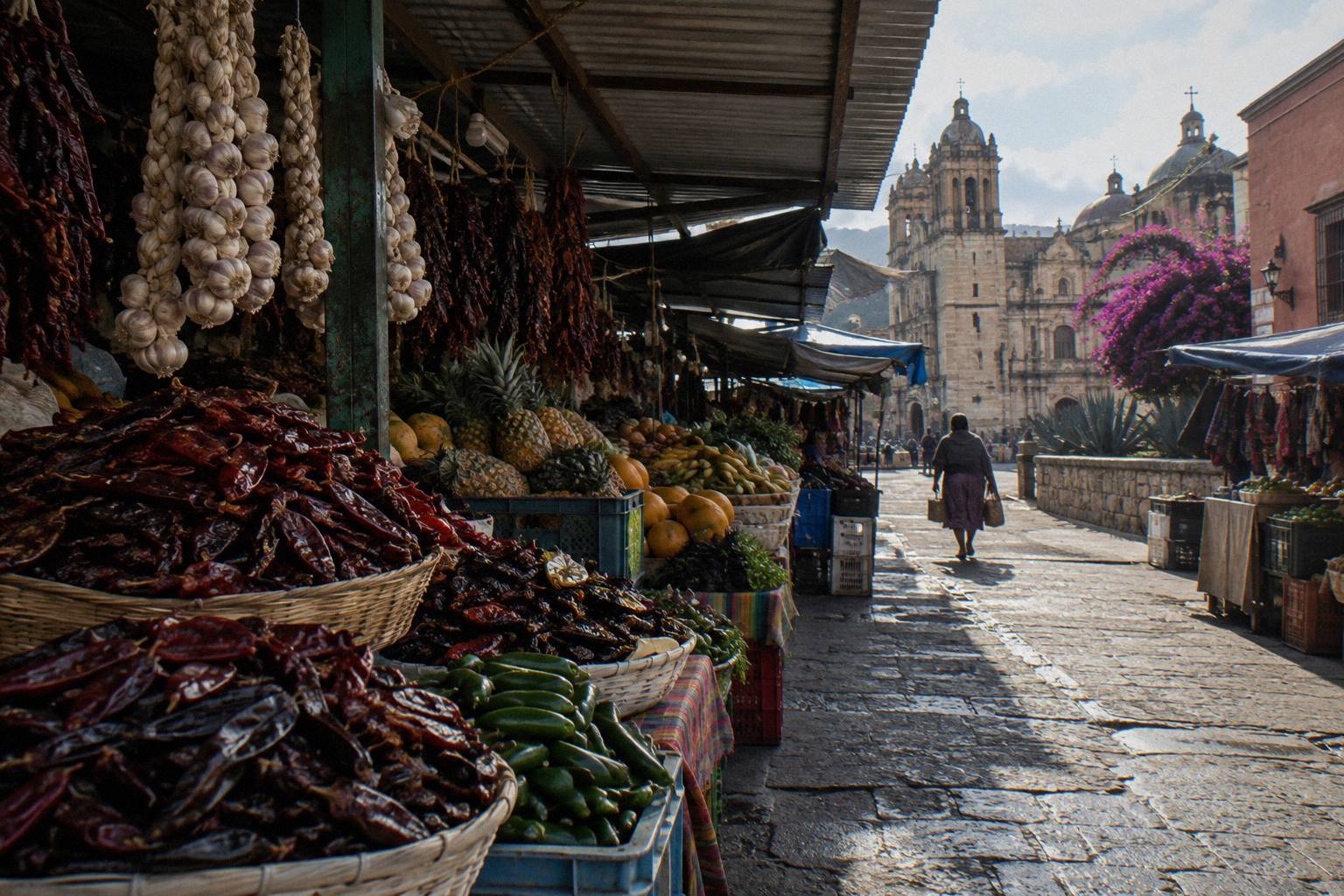
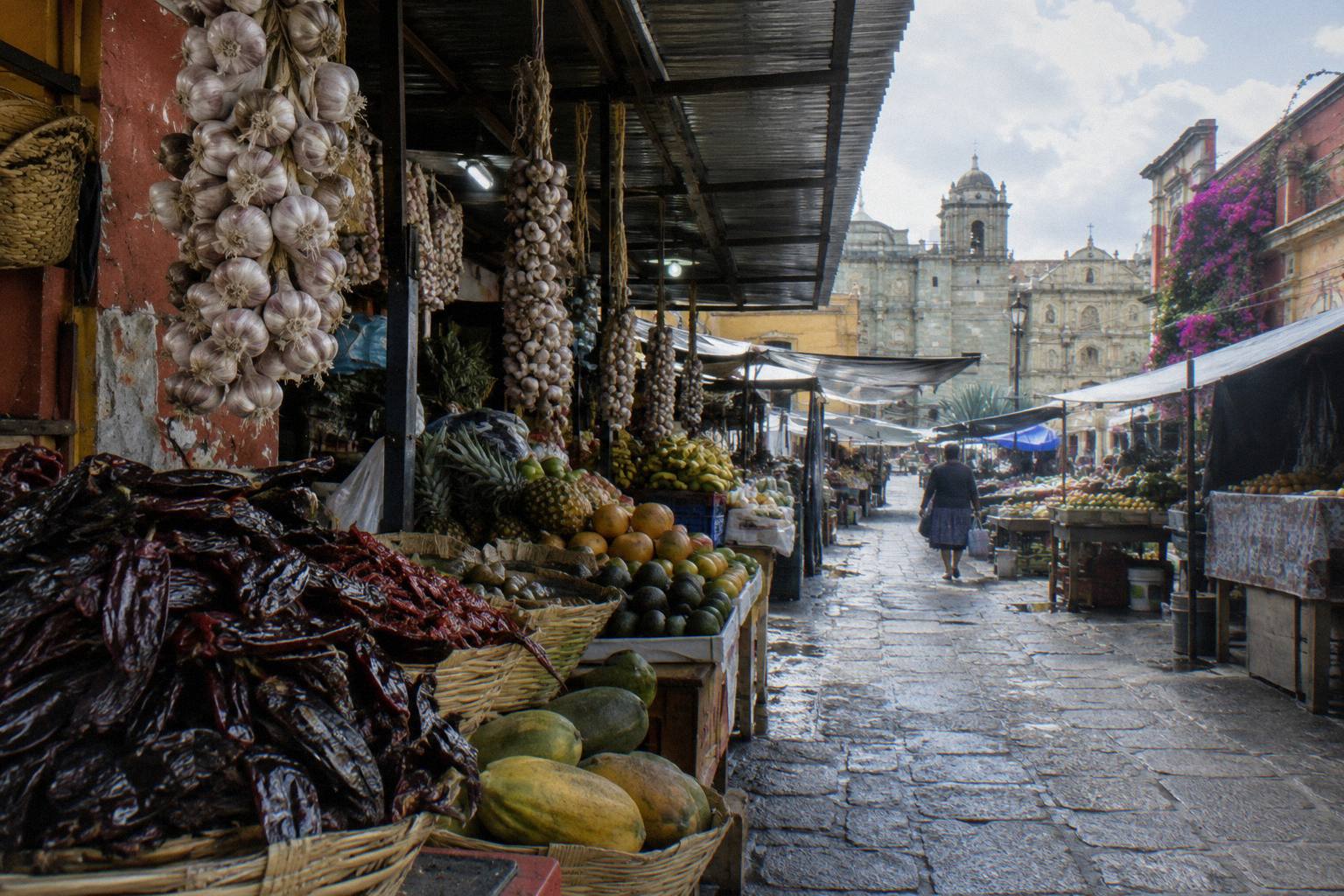
The markets complete the picture. Mercado 20 de Noviembre and Mercado Benito Juárez are free to walk into, with food and goods paid, and Mercado de Abastos is the same arrangement at wholesale scale, busiest on Saturday. Walking a market is the most literal form of a walkable city: a building designed entirely for people on foot, moving between stalls. A visitor who walks the Zócalo, the Andador, Santo Domingo and one market has covered the free core of Oaxaca without spending anything on entry, and has done it entirely on pavement meant for walking.
For anyone turning that free core into an actual plan, the piece on how many days in Oaxaca is enough lays out a day count built around exactly these walks. In short, the centre is walkable the way few tourist cities are: its main street is pedestrian, its squares are open, its churches are free to enter and its tours meet on foot. The boundaries are real but they sit outside the city, at the ticket booths of the ruins.
What Should A Visitor Know Before Going?
Before going, a visitor should know three things. The city's walkable centre is built from free public spaces, the paid doors sit right beside the free ones, and the ruins sit outside the city entirely, which means they cannot be reached on the same walk through the middle of town. The Zócalo, the Alameda de León and the Andador Macedonio Alcalá are free public space with no ticket. The Templo de Santo Domingo de Guzmán is free to enter, but the Museo de las Culturas de Oaxaca in the ex-convent beside it charges foreign adults 210 MXN. Monte Albán, Mitla and Yagul are ticketed INAH sites beyond the city, at 210 MXN for foreign adults each. None of that is a reason to stay in; it is a map.
The free and paid split deserves a table, because it is the planning fact of the whole city. Nothing else changes a day's budget as much as knowing which side of a doorway you are standing at.
| Place | Free or paid | The detail |
|---|---|---|
| Zócalo and Alameda de León | Free | Public squares, no ticket. |
| Andador Macedonio Alcalá | Free | Pedestrian street, no ticket. |
| Templo de Santo Domingo de Guzmán | Free | Public church; entering is free. |
| Museo de las Culturas de Oaxaca | Paid | INAH museum in the ex-convent; 210 MXN foreign adults, 105 MXN Mexican nationals. |
| Cerro del Fortín | Free | Public hill park, open to the public. |
| Jardín Etnobotánico (behind Santo Domingo) | Conditional | Guided visit only, no self-guided entry; the state government says guided tours are free. |
The Sunday rule trips up more visitors than any other single fact. INAH sites, Monte Albán, Mitla, Yagul, the Museo de las Culturas, offer free Sunday entry to Mexican nationals and foreign residents of Mexico with ID only. Visitors from abroad pay, every day, the foreign adult price. So the walkable city with its free churches does not extend its freeness to the ticketed ruins on any day, and planning a "free Sunday" ruins trip from abroad does not work. Inside the city the free layer needs no ID and no day of the week: the squares, the pedestrian street and the public churches are free every day in the plain sense.
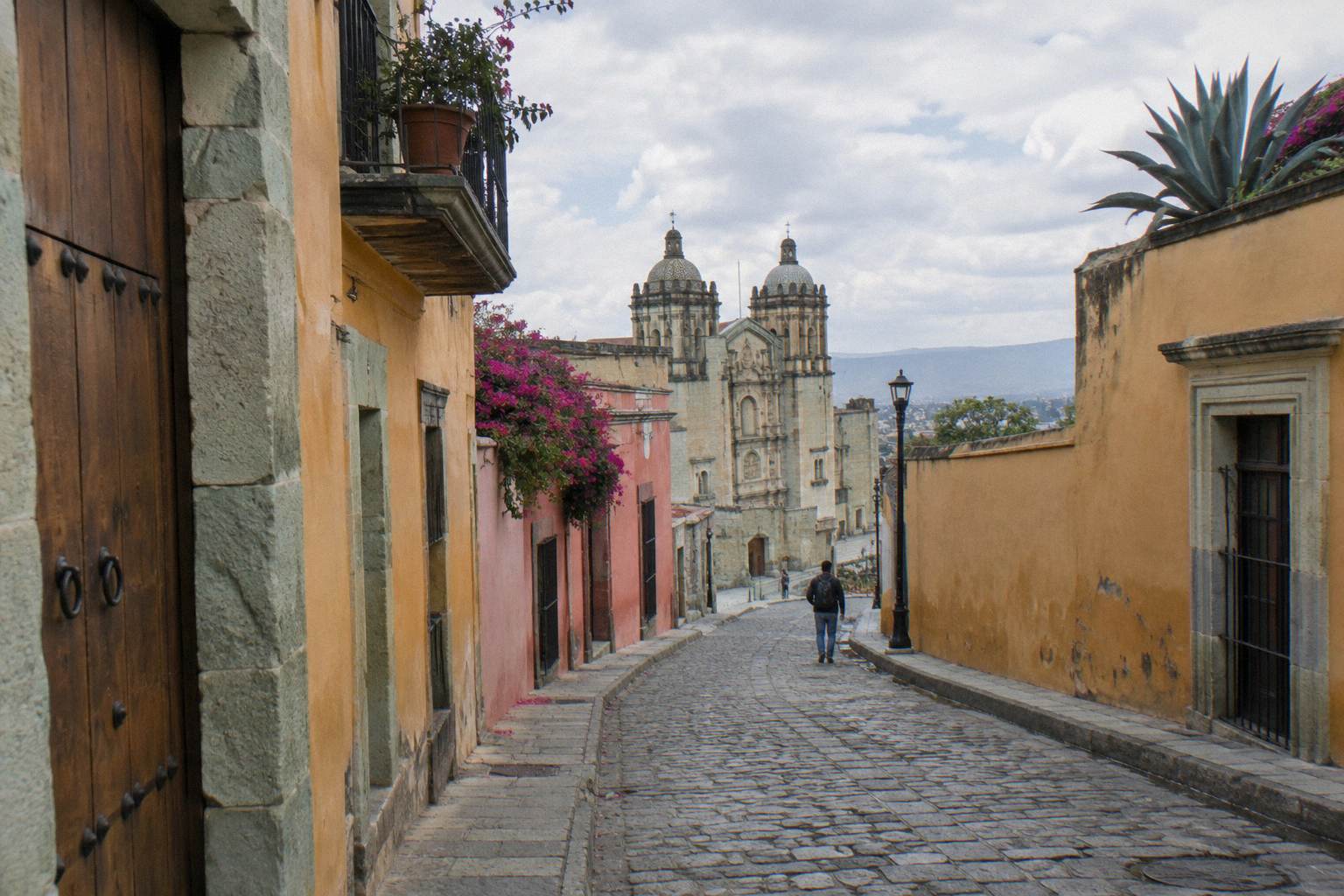
A second preparation point is the churches. The Catedral and the Basílica de la Soledad are public churches where no entry fee is reported, and the same is reported for San Felipe Neri, La Compañía and San Agustín. Hours follow services, which is worth internalising: these are working churches, not attractions with a ticket desk and an opening schedule in the museum sense. The Templo de Santo Domingo de Guzmán belongs to the same family, free to enter as a public church, with its famous neighbour charging museum prices for the ex-convent. A walkable route past five free churches and one paid museum is a fair one-line summary of the historic centre.
The third point is footwear and seasons. Every walk lasts two hours or two and a half hours, on foot, in English or Spanish depending on the walk. That duration is itself preparation information. A walkable city rewards being ready to stand and stroll for that length of time, and the what to wear on a walking tour guide covers the clothing side of it. Nothing in the walk data promises anything about terrain or weather, so this article will not either; what it can promise is that every one of the 10 free walking tours is a walking tour, which tells you the format.
Finally, money preparation is simpler than most guides imply. Inside the walkable core, the free things are genuinely free: squares, a pedestrian street, public churches, a hill park, markets you can walk into. The paid things are named and priced in pesos: the 210 MXN museum beside Santo Domingo, and the out-of-city ruins. Every walking tour on this site is free, pay what you want, reserved on GuruWalk, so no walk needs a line in a budget at all. The free versus paid walking tours comparison goes deeper on that choice. Walkability, in the end, is also an economic fact: a city you cross on foot is a city where the free layer is continuously available to you.
How Does A Free Walking Tour Fit In?
A free walking tour fits into a walkable city as the spine of a day, not an add-on to it. Take the tour early, let it anchor your route and your sense of the place, then spend the hours after it revisiting whatever caught your eye, all on foot and in one connected loop. Each of the 10 free walking tours is a two-hour or two-and-a-half-hour walk on foot, reserved on GuruWalk, free and pay what you want, meeting at a central point such as Cosijoeza 110A, Jardín El Pañuelito or the Teatro Macedonio Alcalá. Because the walks and the sights share the same pedestrian geography, a morning walk can hand you straight into an afternoon of the same streets, walked on your own with the context in place. The tour does not transport you anywhere; it explains where you already are.
The mechanics are deliberately simple, and simplicity is the whole design. Every walk on this site is run by an independent local guide, listed on GuruWalk, and paid by the pay what you want model: you reserve a spot on the GuruWalk page, you walk, and you decide what the walk was worth at the end. No amount is published anywhere, and none needs to be. This site neither operates the walks nor is affiliated with GuruWalk; it points at them because free, on-foot, guide-led walks are the most natural way a walkable city introduces itself. Group size, cancellation policy and schedule details are all on each walk's own GuruWalk page, so that is where to look. The rest of the planning pages sit on Free Things To Do In Oaxaca.
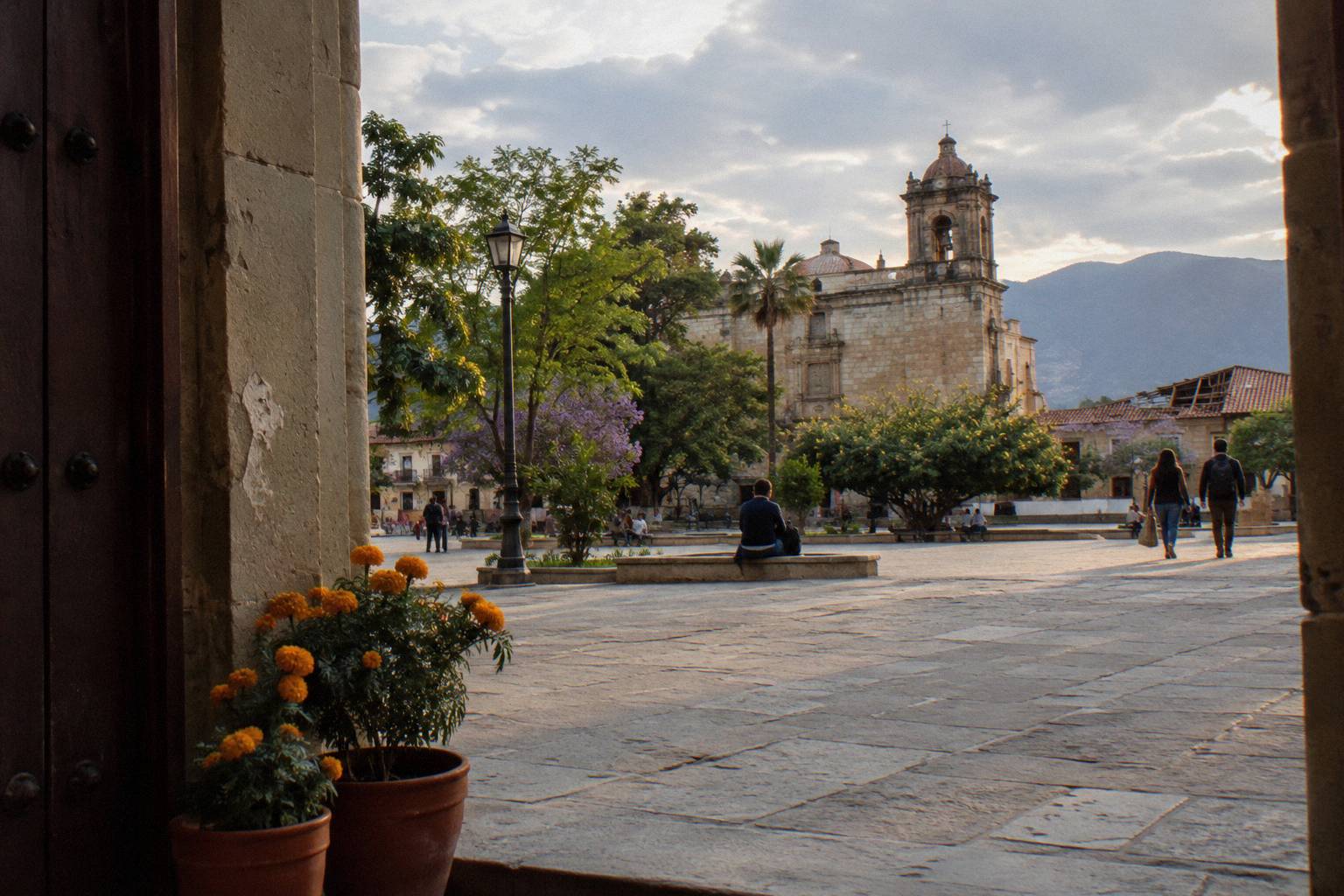
One walk shows the fit particularly well: Xochimilco Start, Through Time, the Around Oaxaca city walk, rated 4.99 out of 5 across 496 GuruWalk reviews, running in English and Spanish from the Plaza de la Cruz de Piedra in Xochimilco. It is a walk that treats the walkable city as its material, starting in one barrio and moving through time and culture on foot, which is the format every walk here shares. Because it meets in Xochimilco and lasts two and a half hours, it pairs naturally with a morning or an afternoon spent walking back through the centre's free squares afterwards.
The centre walks do the same job for the historic core. Centro And Santo Domingo Route meets at Cosijoeza 110A in the Centro and is the walk with the largest review pool on this site, rated 4.63 out of 5 across 1,165 GuruWalk reviews, in English and Spanish. Professional Guide By Free Tour Europe, meeting at Jardín El Pañuelito, and Essential History And Art Walk, meeting at the Museo de los Pintores Oaxaqueños, cover the same Centro Histórico And Santo Domingo ground in the same two-hour shape. The point is not to rank them, it is that a walkable city supports this density: these walks exist because the geography makes them possible.
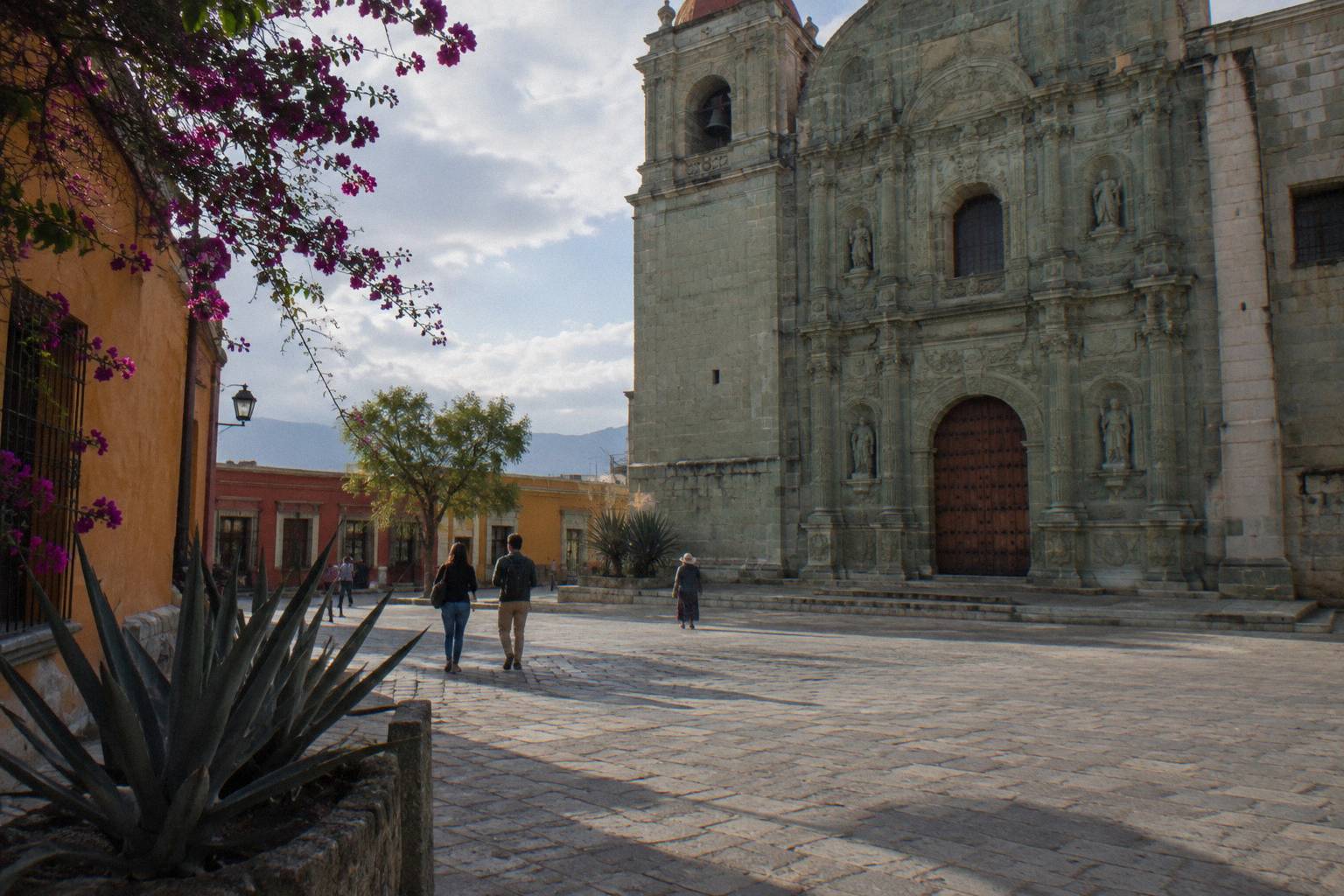
The tour also solves the orientation problem that walkable cities create. A compact centre can be walked blind in an afternoon, but walking it first with someone who knows it turns the same streets into a returnable map: you learn which square is which, where the free churches open onto which plaza, and how Jalatlaco and Xochimilco sit relative to the Zócalo. The historic centre walking tour route guide covers the streets themselves in more detail. In a city this walkable, a free tour is the cheapest possible key to the map, and the map is the city.
Where Do Free Walking Tours Meet Nearby?
Every free walking tour in Oaxaca meets at a fixed central point, and each of those meeting points sits inside the walkable core or in one of the barrios attached to it, so no matter which tour you choose, your starting spot will be right in or beside the heart of the city. The Centro Histórico And Santo Domingo walks meet at Cosijoeza 110A, Jardín El Pañuelito, the Museo de los Pintores Oaxaqueños, the Teatro Macedonio Alcalá and ARIPO, next to the fountain. The Jalatlaco walks meet at Cosijoeza 110A in the Centro or at the Iglesia de San Matías Jalatlaco. The Xochimilco and markets walks meet at the Plaza de la Cruz de Piedra and at Café Kapel Nana and Eden MiniGalería. Every point is a place you walk to.
The full spread of meeting points, durations and languages is worth seeing in one table, because it is the practical answer to how the walks attach to a walkable city. Two walks share the Cosijoeza 110A meeting point, one in the Centro category and one in the Jalatlaco category, a detail worth knowing when you are standing on the right street at the right hour.
| Walk | Meets at | Neighbourhood | Duration | Languages |
|---|---|---|---|---|
| Centro And Santo Domingo Route | Cosijoeza 110A, Centro | Centro Histórico And Santo Domingo | 2 hours | English and Spanish |
| Xochimilco Start, Through Time | Plaza de la Cruz de Piedra, Xochimilco | Centro Histórico And Santo Domingo | 2 hours 30 minutes | English and Spanish |
| Professional Guide By Free Tour Europe | Jardín El Pañuelito | Centro Histórico And Santo Domingo | 2 hours | English and Spanish |
| Essential History And Art Walk | Museo de los Pintores Oaxaqueños | Centro Histórico And Santo Domingo | 2 hours | English and Spanish |
| Local Secrets From Macedonio Alcalá | Teatro Macedonio Alcalá | Centro Histórico And Santo Domingo | 2 hours 30 minutes | English |
| Kactus Introduction Walk | ARIPO, next to the fountain | Centro Histórico And Santo Domingo | 2 hours 30 minutes | English and Spanish |
| Street Art Of Jalatlaco | Cosijoeza 110A, Centro | Jalatlaco And The Street Murals | 2 hours | English |
| Jalatlaco Murals And Art Workshops | Iglesia de San Matías Jalatlaco | Jalatlaco And The Street Murals | 2 hours | English and Spanish |
| Markets, History And Art Walk | Café Kapel Nana and Eden MiniGalería | Xochimilco And The Markets | 2 hours | English and Spanish |
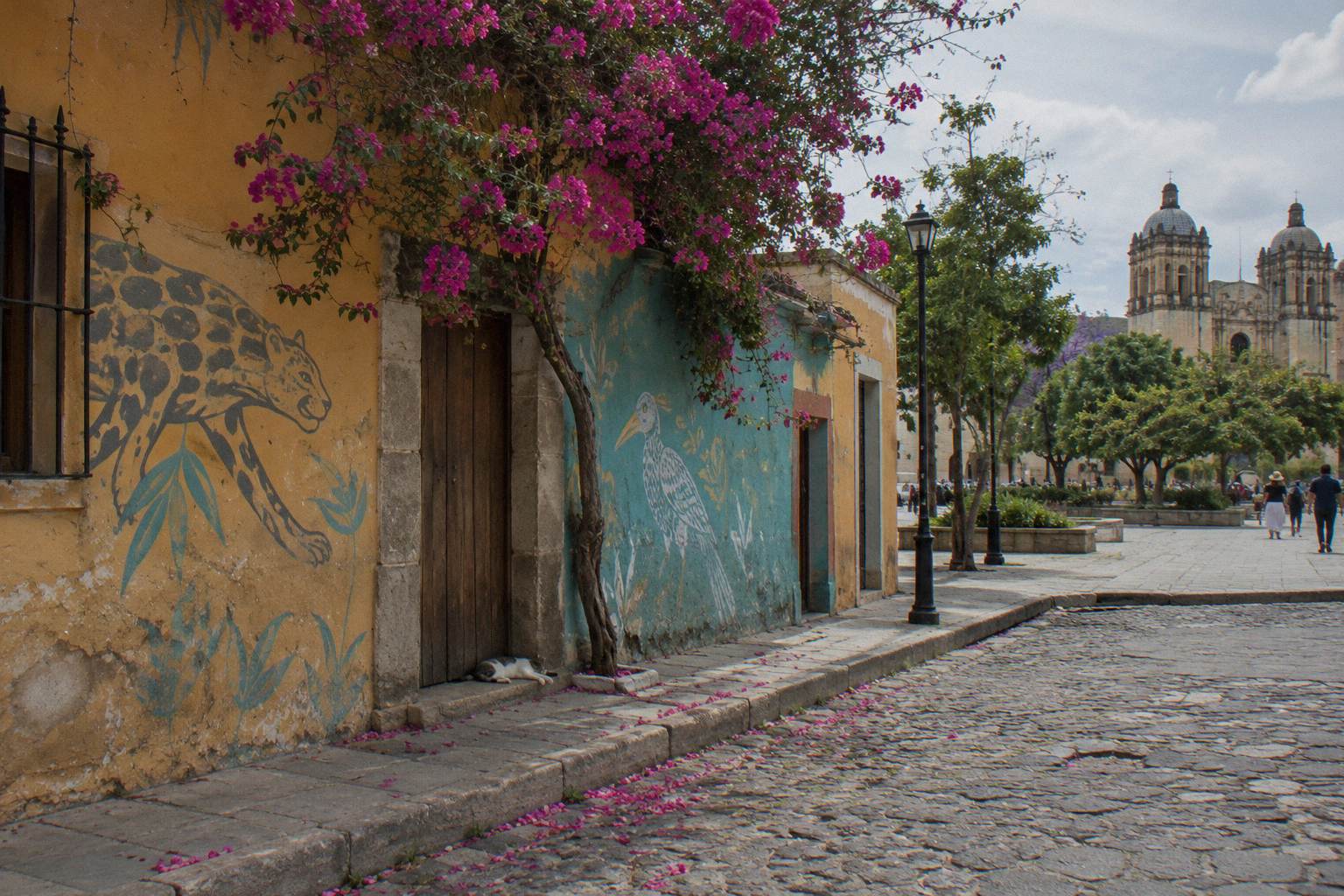
The meeting points double as a walkability proof. Jardín El Pañuelito, the Teatro Macedonio Alcalá, the Museo de los Pintores Oaxaqueños and ARIPO are all central addresses a visitor reaches on foot from the Zócalo without crossing anything that is not city street. The Iglesia de San Matías Jalatlaco sits in Jalatlaco, and the Plaza de la Cruz de Piedra sits in Xochimilco, so the barrio walks begin exactly where their neighbourhoods begin. No walk on this site meets anywhere that requires a vehicle to reach from the centre, which is the whole argument of this article expressed as a list of addresses.
Language is the one planning filter inside the table. Most walks run in English and Spanish; Street Art Of Jalatlaco runs in English, and Local Secrets From Macedonio Alcalá runs in English. The language options for free walking tours post handles that question in full. Duration is the other filter, a flat choice between 2 hours and 2 hours 30 minutes across every walk on the site, which keeps the planning arithmetic simple: one walk is a morning, and the walkable core absorbs the rest of the day around it.
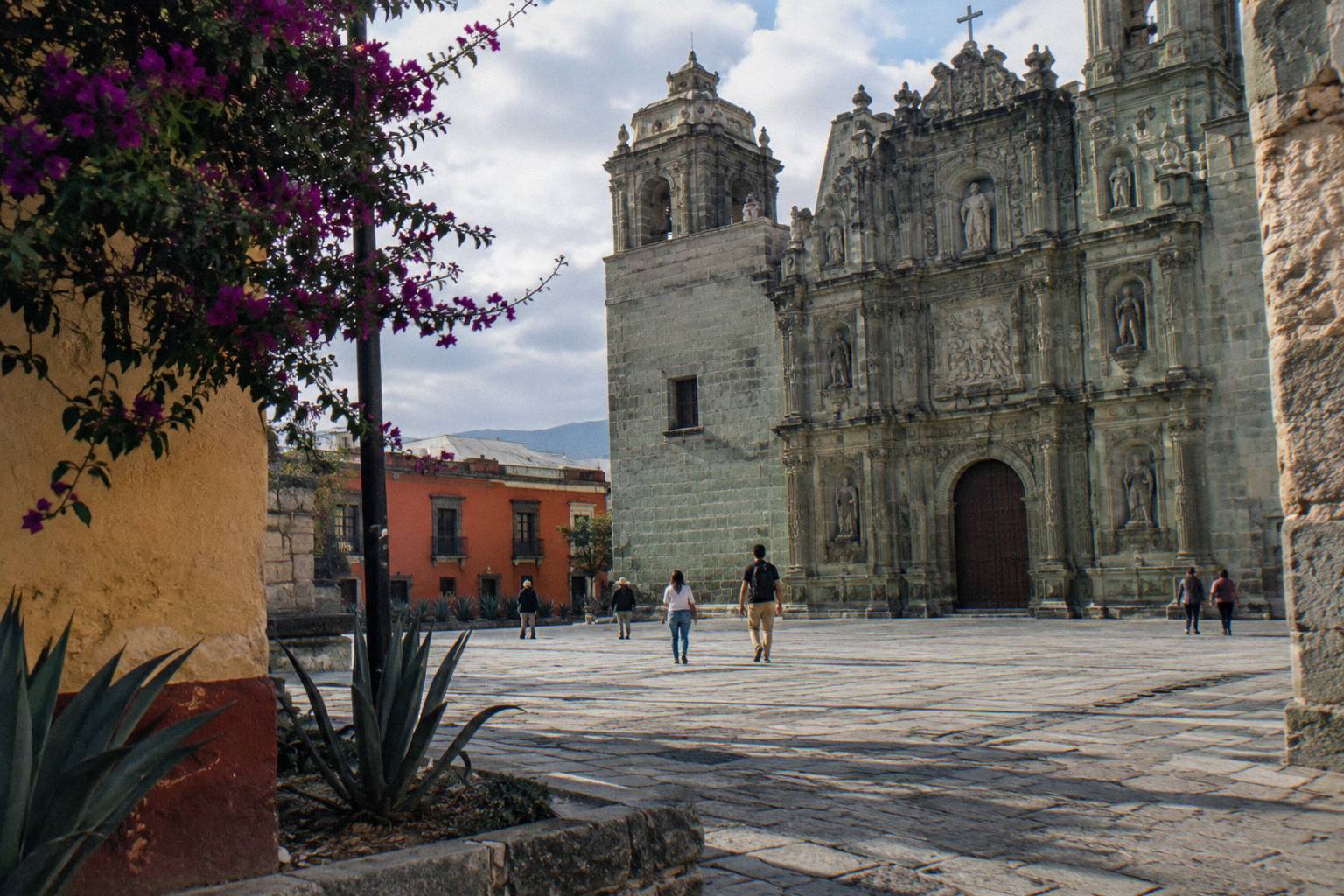
Booking behaviour is the last piece. Spots on every walk are reserved on its GuruWalk page, free and pay what you want, and the question of how far ahead to reserve has its own treatment in whether you need to book a free walking tour in advance. What belongs here is only the geography: a walkable city makes the reservation the only planning step, because getting to the meeting point is a walk. This is the quiet advantage of Oaxaca over cities where a tour also means a transfer, a pickup window and traffic. Here the entire logistical surface of a tour is one address you stroll to.
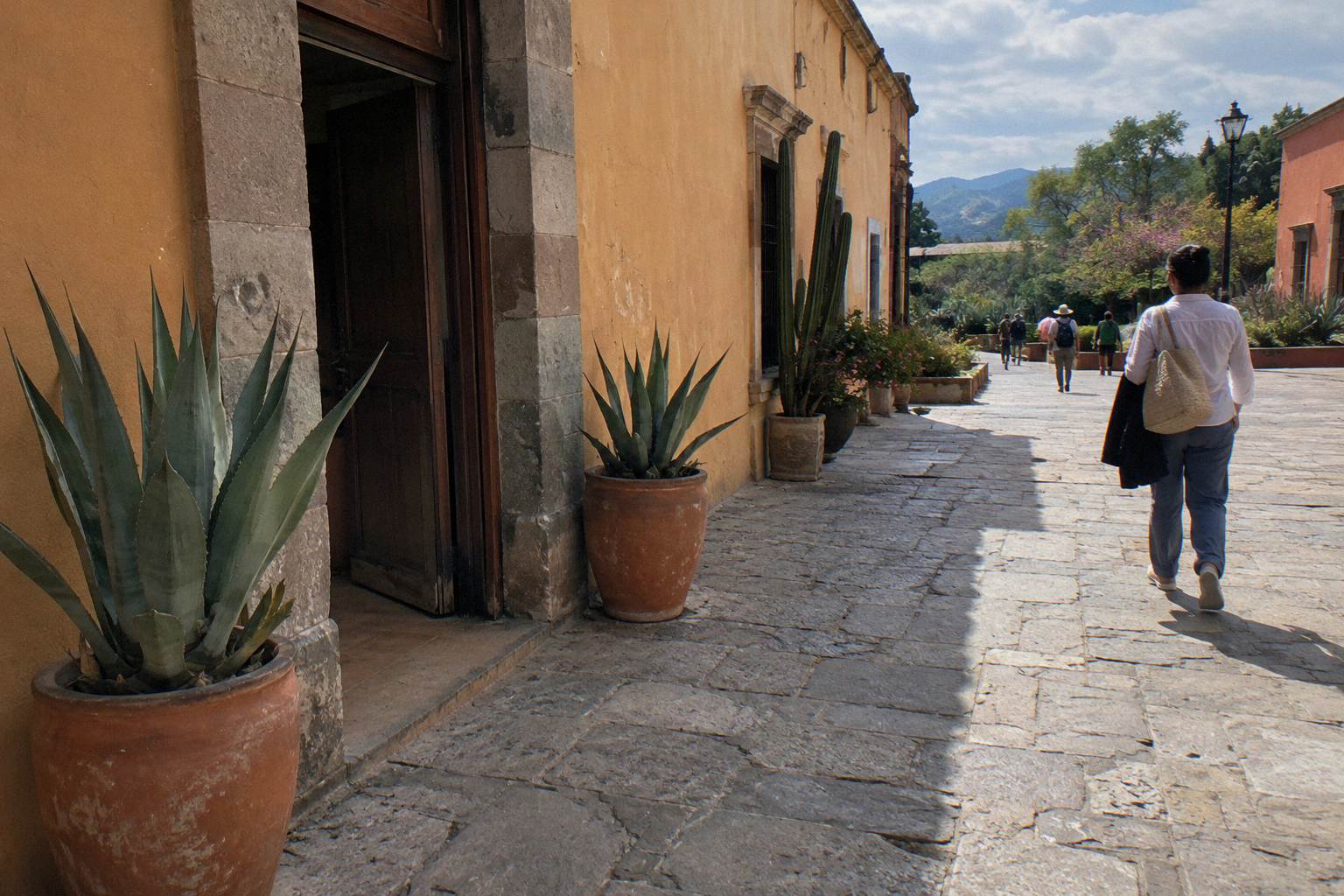
Mistakes That Trip People Up At Walking Oaxaca
The mistakes are consistent: people treat paid neighbours as if they were free, assume the ruins are walkable, treat Sunday as a free day, and assume the whole city plays by the centre's rules. Each one is common, each is avoidable, and each shapes how a walking trip to Oaxaca actually unfolds. The Templo de Santo Domingo de Guzmán is free, but the museum in the ex-convent beside it charges 210 MXN for foreign adults, and the Jardín Etnobotánico behind it is guided visit only, with no self-guided entry. Monte Albán, Mitla and Yagul lie outside the city and are ticketed INAH sites. INAH Sunday free entry is for Mexican nationals and foreign residents with ID, not visitors from abroad. Each mistake is avoidable with one sentence of facts, so here are the sentences.
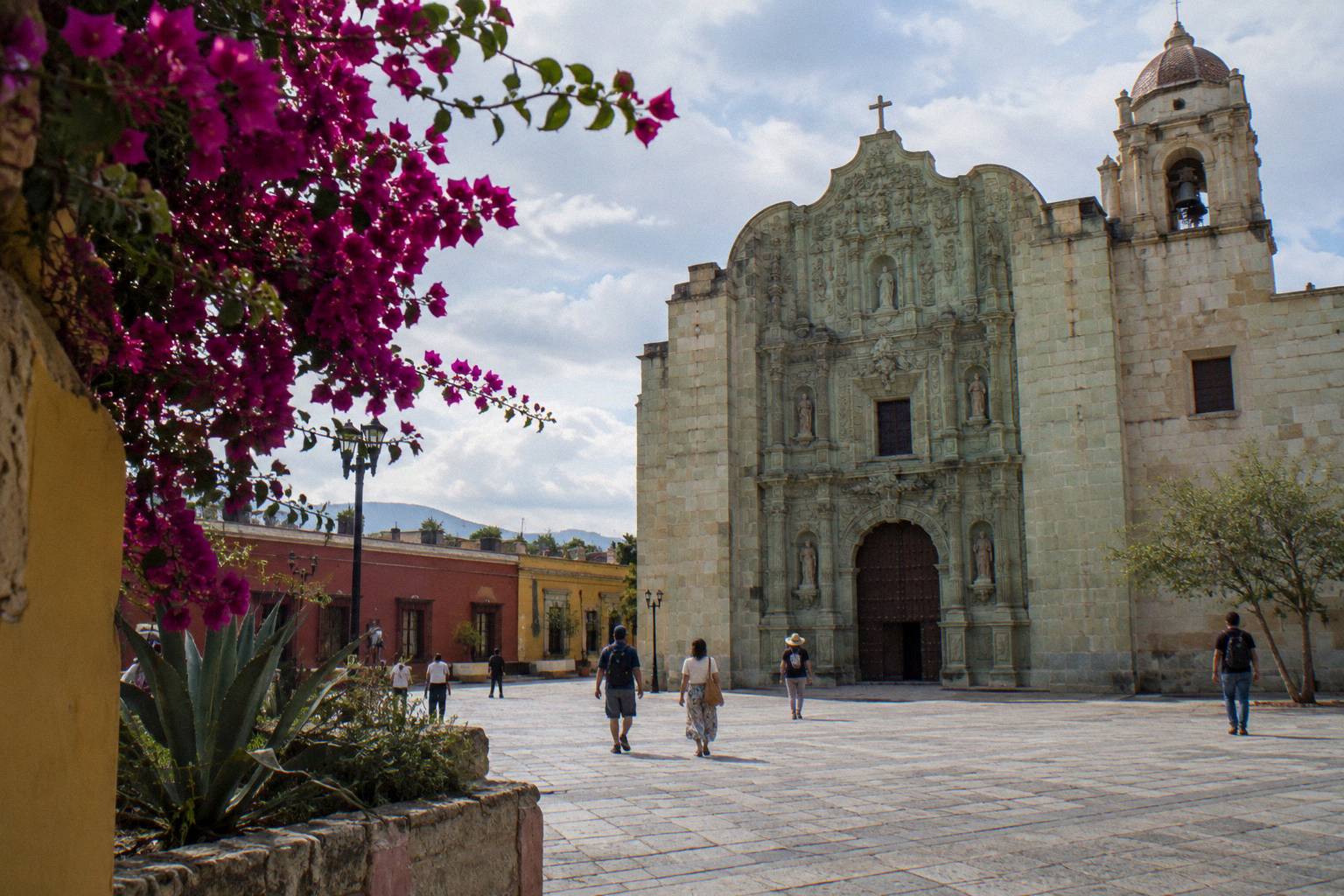
The first mistake is merging Santo Domingo into one free sight. It is three facts, not one. The church is free to enter. The Museo de las Culturas de Oaxaca in the ex-convent is ticketed, 210 MXN for foreign adults and 105 MXN for Mexican nationals. The Jardín Etnobotánico behind it can only be visited on a guided visit, no self-guided entry, and the state government says the guided tours are free. A walker who treats the block as one free attraction either pays an unplanned 210 MXN or misses a garden they expected to stroll. Split the block into three and the walk through it plans itself.
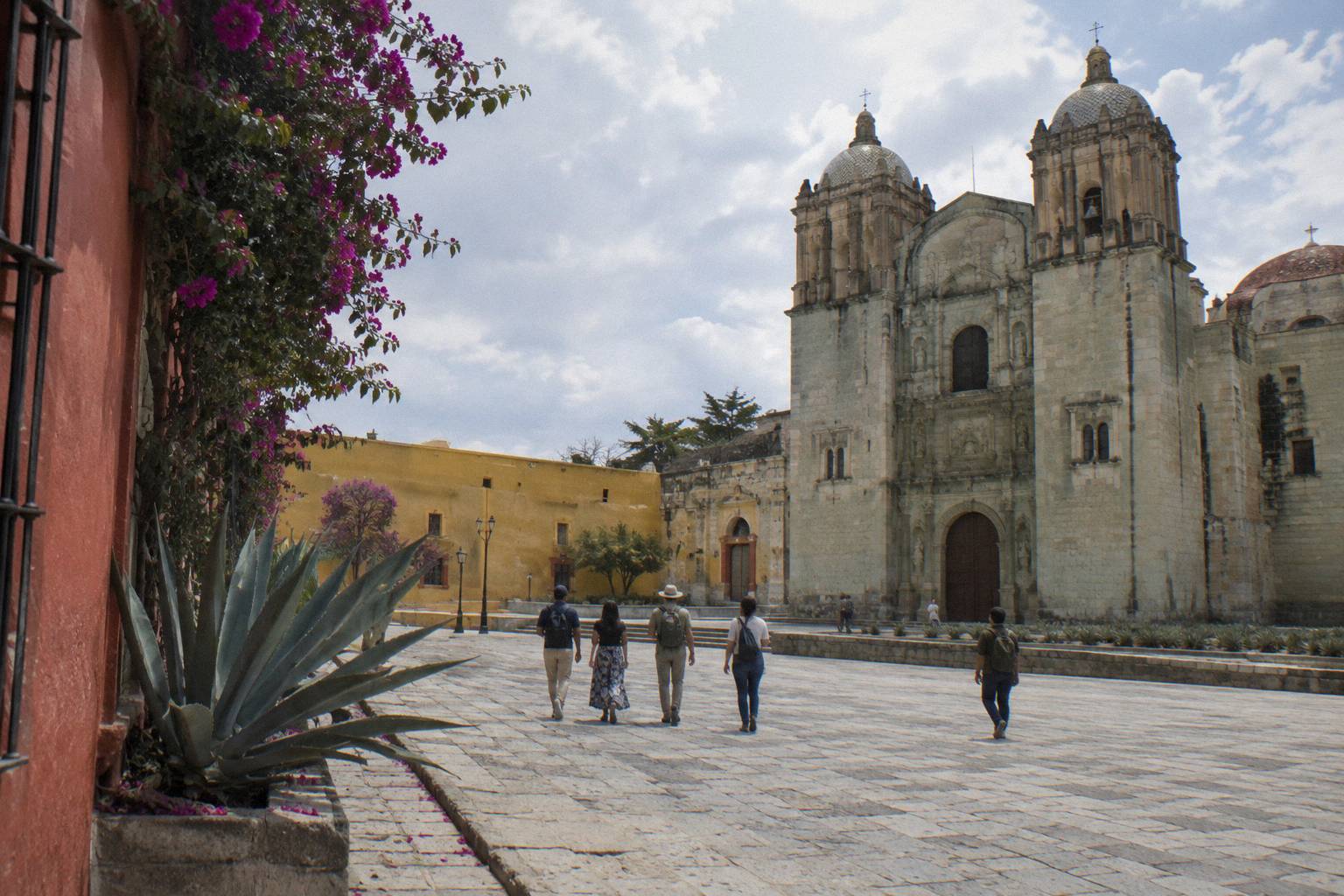
The second mistake is drawing the walkable boundary too wide. Oaxaca's walkable core is the centre, Jalatlaco and Xochimilco; Monte Albán, Mitla, Yagul, Hierve el Agua, El Tule and the Tlacolula Sunday Market lie outside the city. Hierve el Agua is community-run and charged by two communities, 70 MXN in total for access, and getting close to the Árbol del Tule in its churchyard needs a small per-person fee of about 20 MXN. None of these belongs in a walking plan from the Zócalo, and none of them is free, so they belong on a separate day with a separate budget. The free walking tours never promise them, and a plan should not either.
The third mistake is the Sunday assumption. Because INAH lists free Sundays for Mexicans at its sites, visitors from abroad sometimes plan a free ruins Sunday. The rule is ID-based: Mexican nationals, and foreign residents of Mexico with ID, enter free on Sundays; visitors from abroad pay the foreign adult price on every day of the week. This does not touch the walkable core at all, whose free layer, the squares, the pedestrian street, the public churches, the hill park, is free to everyone daily without conditions. The lesson is to keep the two free words separate: free churches in the centre, ID-conditional free Sundays at the ruins.
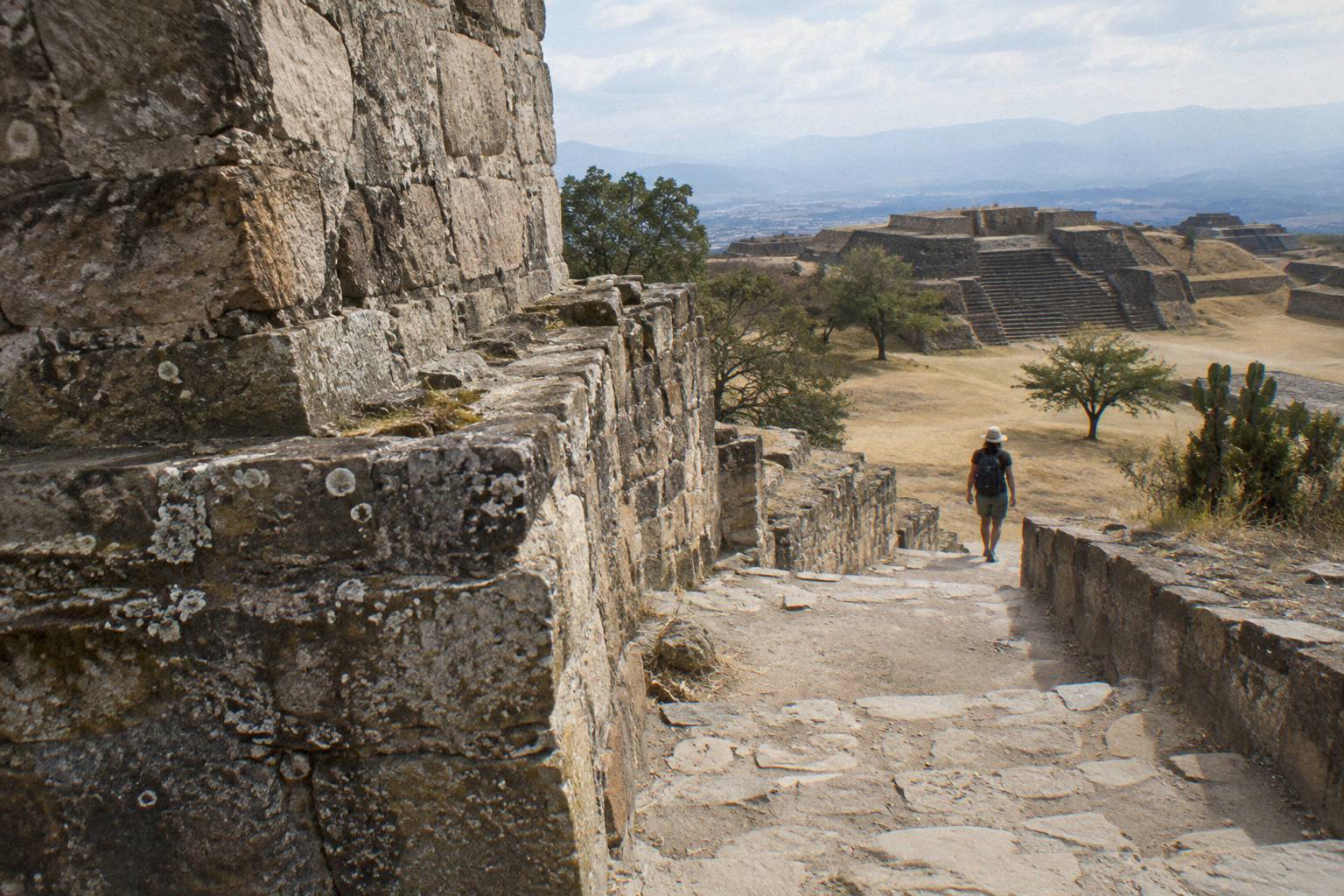
The fourth mistake is assuming every museum in the centre is free because some are. IAGO, the Instituto de Artes Gráficas de Oaxaca, states on its own site that exhibition entry has no charge, and the Museo Textil de Oaxaca and MUFI are reported free by secondary sources, with no admission charge confirmed on a primary page. Meanwhile the ex-convent museum charges 210 MXN and the Museo de Sitio Casa Juárez charges 145 MXN for foreign adults. And no combined Oaxaca museum pass exists. Inside the walkable centre, the sensible move is to ask at each museum door rather than assume one rule covers them all, since no admission charge being reported for a museum is not a promise that entry stays that way.
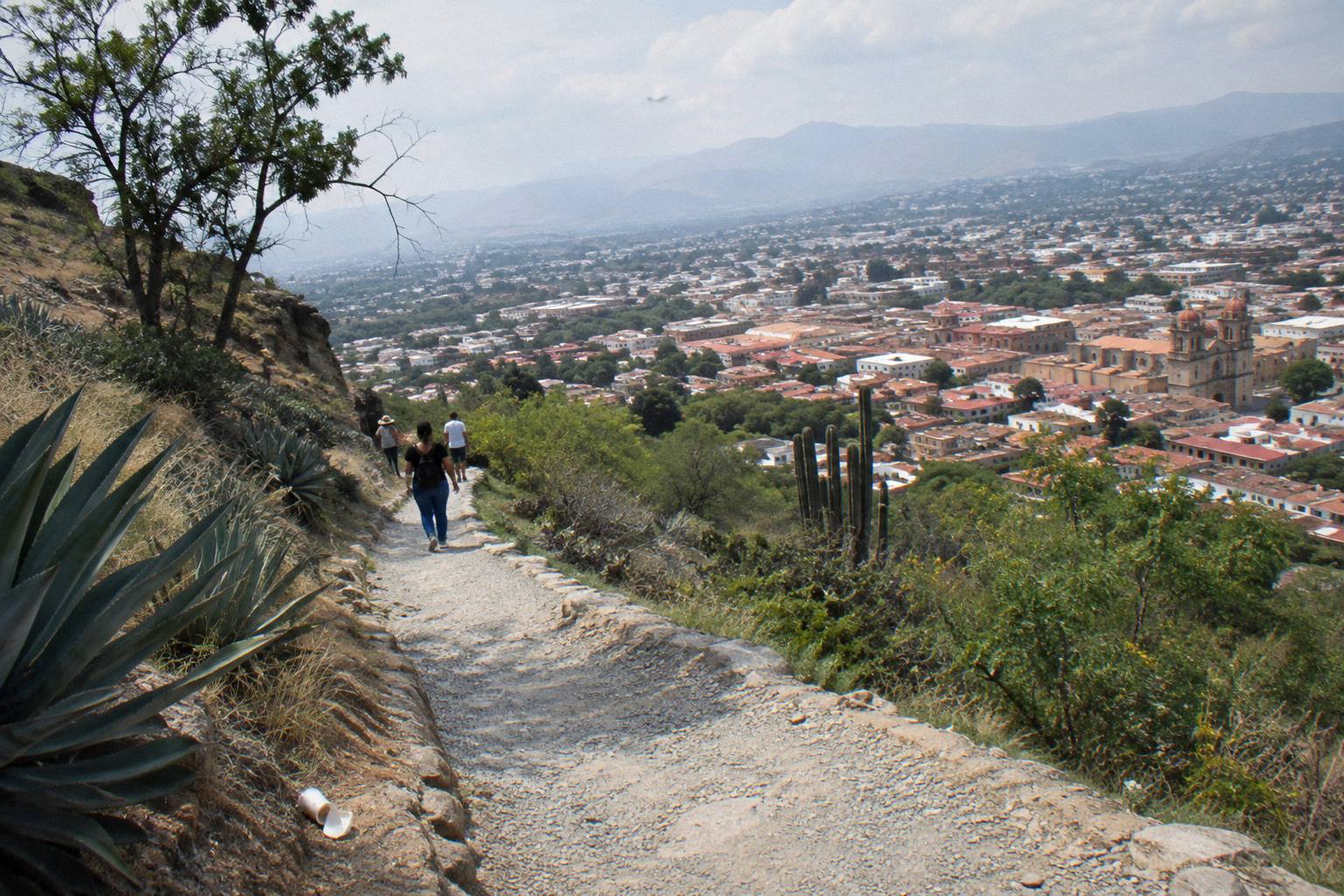
The fifth mistake is over-scheduling the walk. Every free walking tour here lasts 2 hours or 2 hours 30 minutes, and a walkable city tempts you to stack three in a day. The better pattern the facts support is one walk as the spine of a day, with the free core walked independently around it: the Zócalo and Alameda de León, the Andador Macedonio Alcalá, the churches, one market, and Cerro del Fortín if the day has a hill in it. The Guelaguetza season adds its own free layer, the C and D sections and the parades, covered in the Guelaguetza free events guide. Walkability rewards the unhurried plan, because everything in the plan is reached on foot anyway.
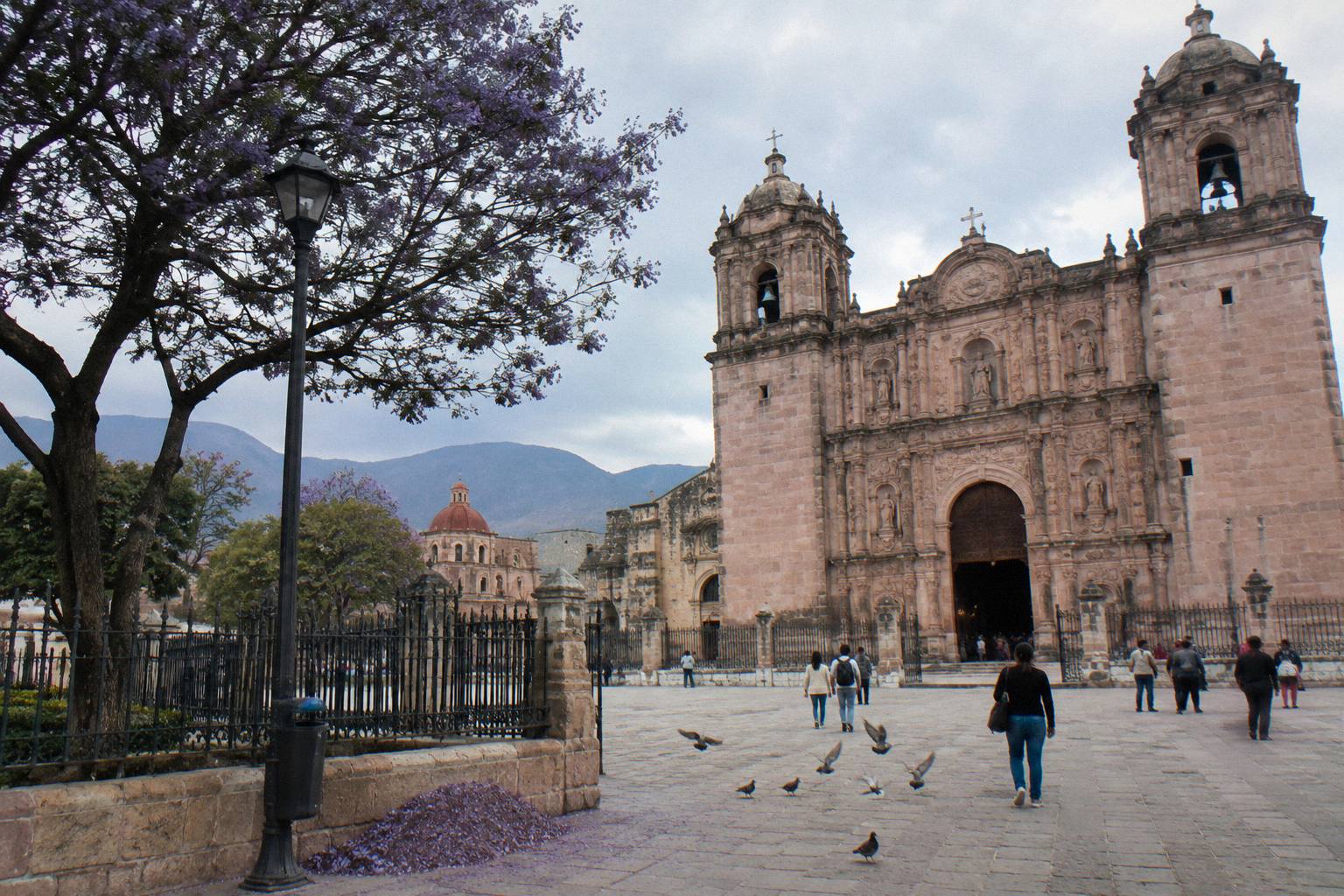
Common Questions About Oaxaca Walkability
Is Oaxaca A Walkable City? How A Free Walking Tour Helps?
Yes. The historic core is compact and organised around free public spaces: the Zócalo and Alameda de León, the pedestrian Andador Macedonio Alcalá, free-entry public churches and the market buildings. All 10 free walking tours meet at central points in this core or in Jalatlaco and Xochimilco, last 2 to 2 hours 30 minutes, and are free, pay what you want, reserved on GuruWalk.
Is The Historic Centre Of Oaxaca Flat And Pedestrian-Friendly?
The centre's main axis, the Andador Macedonio Alcalá, is a pedestrian street with no through traffic, and it joins the Zócalo to the Templo de Santo Domingo de Guzmán on foot. The one obvious slope is Cerro del Fortín, a free public hill park above the city. The walks themselves state only their duration, 2 hours to 2 hours 30 minutes, on foot.
Can You See Oaxaca Without A Car?
Inside the city, yes: the squares, the pedestrian street, the public churches, the markets and the meeting points of all 10 free walking tours sit in the walkable core or the barrios beside it. The car-free picture ends at the city edge, because Monte Albán, Mitla, Yagul, Hierve el Agua and El Tule lie outside the city and are separate, ticketed trips.
Are The Main Sights In Oaxaca Free To Enter?
Many are. The Zócalo, Alameda de León, Andador Macedonio Alcalá and Cerro del Fortín are free public space, and the Templo de Santo Domingo de Guzmán and the other central churches are public churches with no entry fee reported. The Museo de las Culturas de Oaxaca beside Santo Domingo is ticketed at 210 MXN for foreign adults, and the Jardín Etnobotánico is guided visit only.
How Long Does A Free Walking Tour In Oaxaca Last?
Every free walking tour on this site lasts either 2 hours or 2 hours 30 minutes. Each is free, pay what you want, and reserved on its GuruWalk page, with no amount published anywhere. Meeting points are fixed central addresses such as Cosijoeza 110A, Jardín El Pañuelito and the Plaza de la Cruz de Piedra in Xochimilco.
Do The Free Walking Tours Run Every Day?
Days and times are shown on each walk's own GuruWalk page, so that is the place to look before you set out. What is fixed is the format: 2 hours or 2 hours 30 minutes, on foot, in English or Spanish depending on the walk, free and pay what you want, meeting at a central point in the walkable core.